
How to Create a Luxury Home with Handcrafted Décor
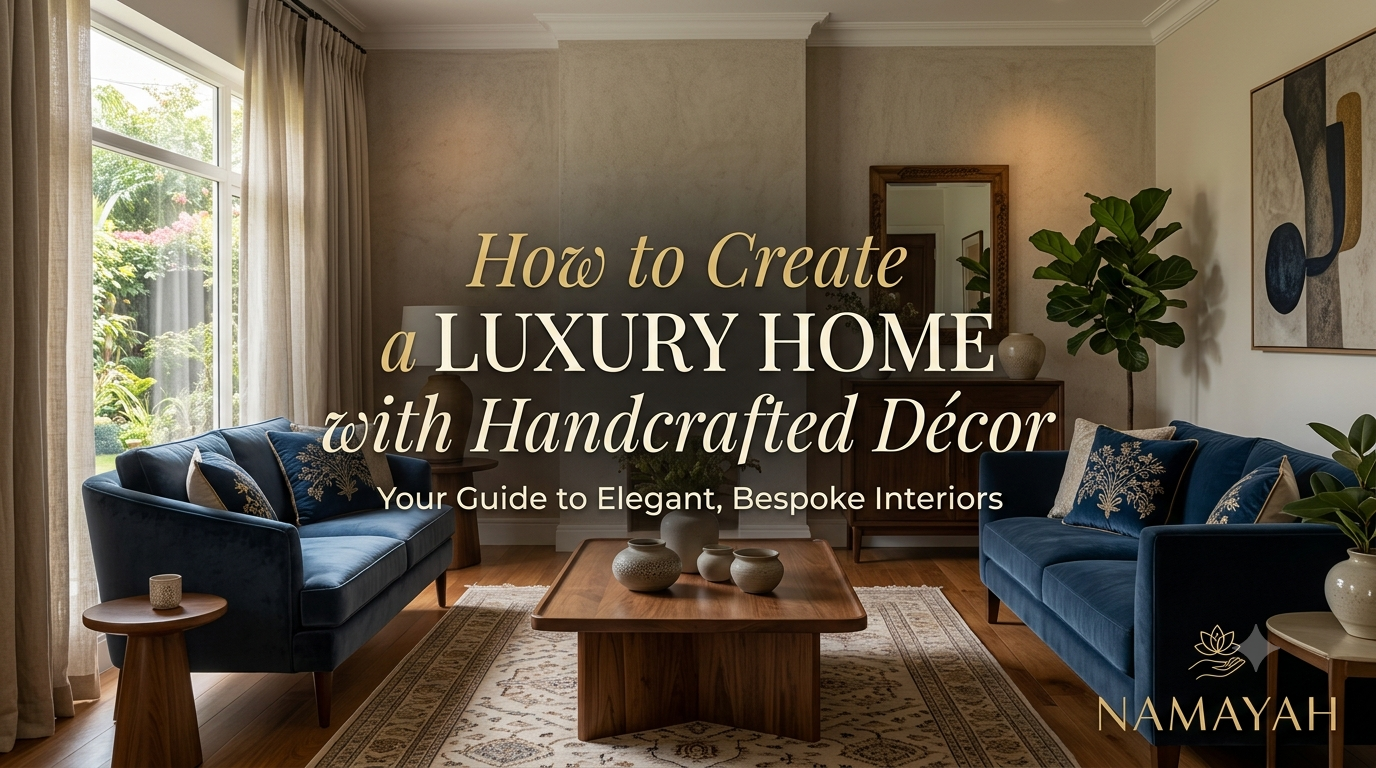
Luxury home design has evolved beyond expensive finishes and designer labels. Today, true luxury is often defined by authenticity, craftsmanship, and timeless beauty. One of the most effective ways to create an elegant living space is by incorporating handcrafted décor made by skilled artisans.
Unlike mass-produced furnishings, handcrafted pieces tell a story. Every carved table, woven textile, ceramic vase, or hand-finished cabinet reflects hours of craftsmanship and attention to detail. These unique elements give a home warmth, character, and exclusivity that factory-made products simply cannot replicate.
Whether you are decorating a new home or upgrading your existing space, this guide explains how to create a luxurious interior using handcrafted décor while maintaining comfort, sophistication, and long-term value.
Why Handcrafted Décor Defines Luxury
Luxury has become increasingly associated with quality rather than quantity. Homeowners are choosing fewer, better-made items that combine exceptional craftsmanship with timeless appeal.
Handcrafted décor offers several advantages:
- Unique designs with individual character
- Superior attention to detail
- High-quality materials
- Longer product lifespan
- Support for skilled artisans and traditional craftsmanship
- Timeless aesthetic that rarely goes out of style
Rather than filling every corner with decorative objects, luxury interiors rely on carefully selected statement pieces that immediately capture attention.
For example, a handcrafted walnut dining table can become the centerpiece of an entire dining room, eliminating the need for excessive decoration.
Start with a Clear Design Vision
Before purchasing handcrafted pieces, establish a cohesive design direction.
Luxury interiors typically follow a consistent visual language that connects every room through complementary colors, textures, and materials.
Ask yourself:
- Do you prefer modern luxury or traditional elegance?
- Will your palette feature warm earth tones or cool neutrals?
- Should the home feel minimal or richly layered?
- Which architectural features deserve emphasis?
Creating a mood board helps organize ideas before investing in artisan furniture and décor.
Popular Luxury Styles
| Style | Characteristics |
|---|---|
| Modern Luxury | Clean lines, neutral colors, handcrafted statement pieces |
| Contemporary | Mixed materials, artistic décor, open spaces |
| Rustic Luxury | Natural wood, stone, handmade pottery |
| Classic European | Detailed woodwork, elegant textiles, antique-inspired décor |
| Japandi | Minimalism with handcrafted natural materials |
Maintaining consistency throughout the home creates a polished, professionally designed appearance.
Invest in Artisan Furniture
Furniture forms the foundation of every luxury interior.
Instead of purchasing multiple inexpensive pieces, prioritize handcrafted furniture that showcases exceptional workmanship.
Examples include:
- Solid wood dining tables
- Hand-carved coffee tables
- Custom bookshelves
- Artisan bed frames
- Handmade sideboards
- Bespoke console tables
These items often become heirloom-quality investments because they are built using premium materials and traditional woodworking techniques.
What to Look For
When evaluating handcrafted furniture, consider:
- Solid hardwood construction
- Traditional joinery instead of excessive screws
- Hand-applied finishes
- Sustainable wood sourcing
- Custom sizing options
- Skilled craftsmanship
Furniture built with these qualities often maintains its beauty for decades with proper care.
Choose Premium Natural Materials
Material selection plays a major role in defining luxury.
Natural materials add warmth, depth, and authenticity while aging beautifully over time.
Popular choices include:
Wood
Oak, walnut, teak, maple, and ash remain timeless options for handcrafted furniture.
Stone
Marble, granite, travertine, and limestone elevate kitchens, bathrooms, and living spaces.
Leather
Hand-stitched leather chairs and sofas develop a rich patina with age, making them even more attractive over time.
Linen and Cotton
Natural textiles provide softness while maintaining a refined appearance.
Wool
Handwoven wool rugs introduce warmth, texture, and comfort while enhancing acoustic performance.
Combining these materials creates layered interiors that feel luxurious without appearing excessive.
Layer Handmade Accessories
Once the foundational furniture and materials are in place, handcrafted accessories bring warmth, personality, and visual interest to the space. The key is to curate thoughtfully rather than decorate excessively.
Consider adding:
- Hand-thrown ceramic vases
- Artisan-crafted table lamps
- Handwoven baskets
- Sculptural wooden bowls
- Handmade candles
- Metalwork sculptures
- Woven throws and cushions
- Hand-painted artwork
Each accessory should complement the room’s overall design while introducing texture and character.
Create Visual Balance
Luxury interiors often follow the principle of “less is more.” Instead of displaying numerous decorative objects, select a few high-quality handcrafted pieces that stand out.
For example:
- A large ceramic vase on a console table
- A handcrafted bowl as a dining table centerpiece
- A woven throw draped over a linen sofa
- A carved wooden sculpture on open shelving
This restrained approach creates an elegant, uncluttered environment.
Incorporate Handmade Textiles
Textiles have a significant impact on the comfort and sophistication of a home. Handmade fabrics add depth and softness while showcasing traditional craftsmanship.
Popular handcrafted textiles include:
- Handwoven area rugs
- Embroidered cushions
- Linen curtains
- Wool blankets
- Cotton quilts
- Artisan table runners
Layering different textures creates a welcoming atmosphere while enhancing the luxurious feel of each room.
Texture Layering Tips
Combine contrasting materials for a balanced look:
| Material | Best Paired With |
|---|---|
| Smooth marble | Soft wool rugs |
| Linen upholstery | Wooden furniture |
| Leather seating | Woven baskets |
| Glass décor | Natural stone accents |
| Metal lighting | Handmade ceramics |
These combinations create visual interest without overwhelming the space.
Use Lighting to Highlight Craftsmanship
Lighting is one of the most overlooked elements of luxury interior design. Even the finest handcrafted furniture can lose its impact under poor lighting.
Layer three types of lighting throughout your home:
Ambient Lighting
Provides overall illumination through ceiling fixtures or recessed lighting.
Task Lighting
Supports daily activities with reading lamps, under-cabinet lighting, or desk lamps.
Accent Lighting
Highlights handcrafted artwork, sculptures, shelving, or architectural details.
Warm white lighting generally creates a more inviting atmosphere than cool-toned lighting and complements natural materials such as wood, stone, and leather.
Add Custom and Bespoke Pieces
Nothing enhances exclusivity like custom-made décor. Bespoke items are designed specifically for your home, ensuring a perfect fit and a one-of-a-kind appearance.
Examples include:
- Custom dining tables
- Built-in shelving
- Handmade headboards
- Tailor-made cabinetry
- Personalized wall art
- Custom mirrors
Working with artisans allows you to choose dimensions, finishes, materials, and details that match your design vision.
Blend Old and New
Luxury interiors often combine contemporary elements with handcrafted antiques or vintage-inspired pieces.
For example:
- A modern sofa paired with a reclaimed wood coffee table
- Contemporary artwork displayed above a vintage sideboard
- Handmade pottery styled on sleek floating shelves
- Antique mirrors combined with minimalist décor
This mix creates depth and prevents interiors from feeling overly staged or uniform.
Focus on Quality Over Quantity
A hallmark of luxury design is intentionality. Rather than filling every room with décor, invest in fewer pieces of exceptional quality.
Before purchasing an item, ask yourself:
- Will this remain stylish for years?
- Is it made from premium materials?
- Does it complement the room?
- Is the craftsmanship evident?
- Will it serve both aesthetic and practical purposes?
Choosing timeless handcrafted items reduces the need for frequent replacements and contributes to a more sustainable approach to decorating.
Maintain Your Handcrafted Décor
Proper care preserves the beauty and longevity of handcrafted pieces.
General maintenance tips include:
- Dust wooden furniture regularly with a soft cloth.
- Use coasters and placemats to protect surfaces.
- Keep natural wood away from prolonged moisture.
- Rotate rugs periodically to ensure even wear.
- Clean textiles according to the manufacturer’s instructions.
- Avoid prolonged direct sunlight on fabrics and wood finishes.
Regular maintenance helps handcrafted furnishings retain their elegance for many years.
Frequently Asked Questions
What makes handcrafted décor luxurious?
Handcrafted décor is considered luxurious because it emphasizes skilled craftsmanship, premium materials, uniqueness, and lasting quality rather than mass production.
Is handcrafted furniture worth the investment?
Yes. Well-made handcrafted furniture often lasts much longer than factory-produced alternatives and may become heirloom pieces with proper care.
Which materials create a luxury interior?
Natural materials such as solid hardwood, marble, granite, leather, linen, wool, and handcrafted ceramics are commonly associated with luxury interiors.
Can handcrafted décor work in modern homes?
Absolutely. Handmade pieces pair beautifully with modern architecture, adding warmth and character while maintaining clean, contemporary aesthetics.
How do I avoid making my home feel cluttered?
Choose fewer, high-quality handcrafted items instead of many decorative accessories. Give statement pieces enough space to stand out.
Where should I begin when decorating?
Start with large foundational elements such as artisan furniture, then layer textiles, lighting, artwork, and handcrafted accessories to complete the design.
Conclusion
Creating a luxury home with handcrafted décor is about more than selecting beautiful furnishings—it is about embracing quality, authenticity, and timeless design. By investing in artisan furniture, natural materials, bespoke details, and thoughtfully chosen accessories, you can create a home that feels elegant, welcoming, and uniquely personal.
Rather than following short-lived trends, focus on craftsmanship and enduring style. Carefully curated handcrafted pieces not only enhance the beauty of your living spaces but also reflect an appreciation for artistry and lasting value.