
How to Choose Serving Accessories for Special Occasions
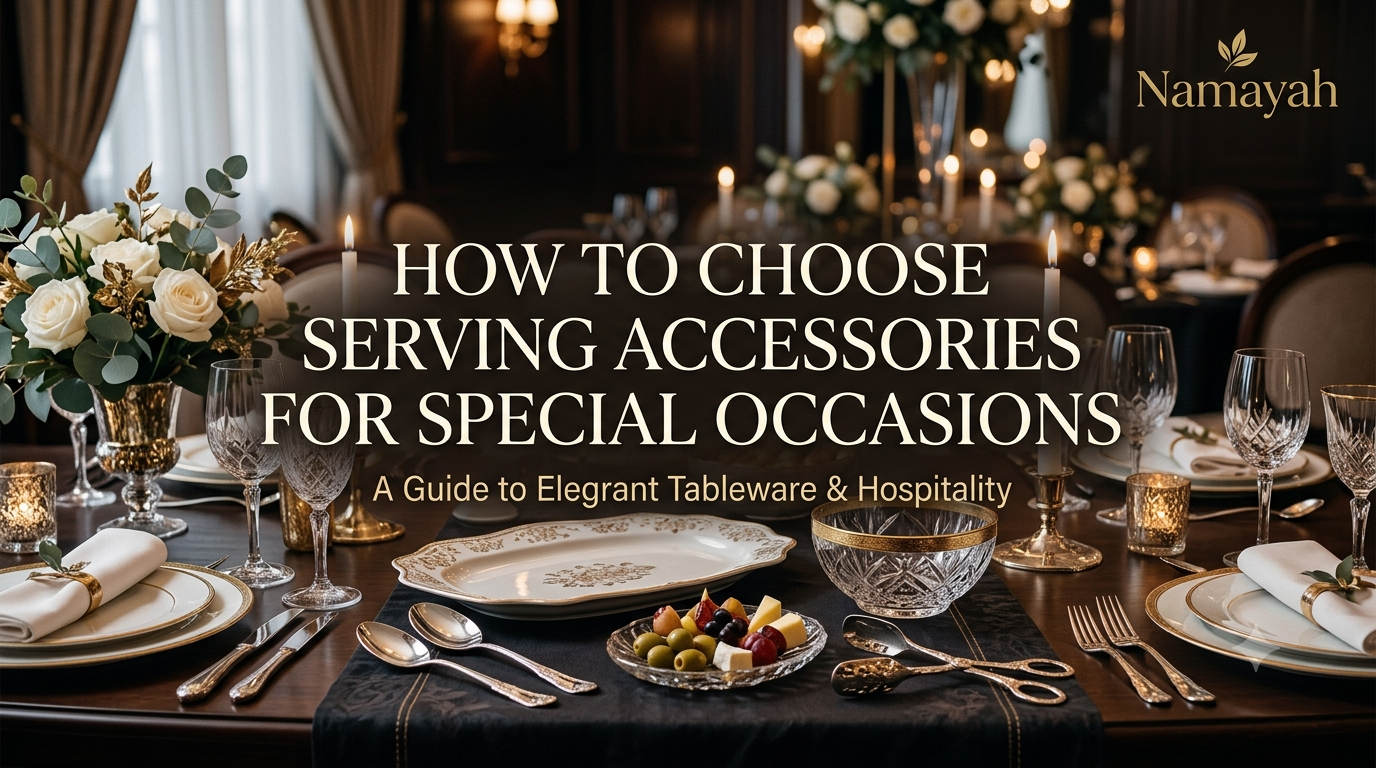
The right serving accessories can make a special meal feel more organized, attractive, and welcoming. The best choices depend on the occasion, menu, number of guests, table size, material, style, and ease of use. Start with practical pieces such as serving platters, bowls, trays, and serving utensils, then choose finishes and designs that complement your table.
A beautifully prepared meal deserves more than attractive dishes. The way food is presented can influence how the table looks and how easily guests can serve themselves. Whether you are hosting a holiday dinner, birthday celebration, anniversary meal, wedding-related gathering, or intimate dinner party, thoughtful serveware can bring the entire setting together.
Why Serving Accessories Matter
Serving accessories connect the kitchen to the dining table. They provide a practical way to transfer and present food while also contributing to the overall appearance of the meal.
Serveware can include:
- Serving platters
- Serving bowls
- Food trays
- Salad bowls
- Cake stands
- Serving spoons
- Salad servers
- Gravy boats
- Bread baskets
- Condiment dishes
- Trivets
- Dessert servers
A formal table may require more specialized pieces, while a casual gathering may need only a few versatile items. Formal table-setting guidance commonly recommends adding serving and place-setting pieces according to the courses being served rather than using unnecessary utensils.
The goal is not to buy the largest collection. It is to choose pieces that make serving easier while supporting the atmosphere you want to create.
Start With the Occasion
Before choosing a serving accessory, identify the type of event.
A formal anniversary dinner may call for refined platters, coordinated serving utensils, and elegant materials. A relaxed birthday gathering might work better with colorful bowls, casual trays, and easy-to-clean pieces.
Consider these examples:
| Occasion | Useful Serving Accessories | Style Direction |
| Formal dinner | Platters, gravy boat, serving utensils | Elegant and coordinated |
| Holiday meal | Large bowls, platters, trays | Festive and warm |
| Birthday party | Trays, dessert stands, snack bowls | Fun and flexible |
| Wedding celebration | Coordinated platters and serving pieces | Sophisticated |
| Family gathering | Large bowls, platters, serving spoons | Practical |
| Cocktail party | Small trays, appetizer plates, condiment dishes | Compact and stylish |
| Outdoor event | Lightweight trays and durable bowls | Casual and functional |
Matching serveware to the mood of the event is a useful starting point when building a cohesive table.
Consider the Food You Are Serving
Your menu should influence your serving accessories as much as your decorating style.
For example, a large roast may need a substantial platter, while a salad is easier to serve from a wide bowl with dedicated salad servers. Sauces and gravies may need smaller vessels with pouring edges, while desserts can benefit from cake stands or dedicated dessert plates.
Think through the menu course by course:
- Appetizers: Small platters, trays, bowls, or boards.
- Main courses: Large serving platters or deep serving bowls.
- Side dishes: Medium bowls and smaller platters.
- Salads: Wide bowls and salad servers.
- Sauces: Gravy boats or small serving bowls.
- Desserts: Cake stands, dessert trays, or serving plates.
- Drinks: Beverage trays, pitchers, and appropriate glassware.
For meals built around shared dishes, large central platters and bowls can make self-service easier. This is particularly useful for family-style meals, where multiple dishes are placed within guests’ reach.
Choose the Right Serving Pieces
If you are building a collection from scratch, begin with versatile pieces rather than buying specialized accessories for every possible meal.
A practical starter collection might include:
- One large serving platter
- Two or three serving bowls in different sizes
- One serving tray
- A pair of serving spoons
- Salad servers
- A dessert or cake serving piece
- A few small bowls for sauces and condiments
- Trivets for hot cookware
The exact combination should reflect your menu and hosting habits.
A versatile platter can serve roasted vegetables, appetizers, sandwiches, desserts, or a main course. Similarly, medium bowls can accommodate salads, rice, pasta, fruit, or side dishes.
This approach gives you more flexibility than purchasing accessories designed for only one type of food.
Select the Best Material
Material affects appearance, durability, weight, maintenance, and suitability for different foods.
Porcelain and Ceramic
Porcelain can create a refined appearance and works well for formal or elegant settings. Ceramic and stoneware can provide a more relaxed, handcrafted look.
Always check the manufacturer’s care instructions because dishwasher, microwave, oven, and heat-resistance properties can vary between products.
Stoneware
Stoneware can suit both casual and special-event tables. Its heavier appearance can create a warm, substantial presentation, while neutral colors can work across different decorating styles.
Stainless Steel
Stainless steel is useful when durability and easy maintenance are priorities. It can suit modern, contemporary, or traditional settings depending on its finish.
Glass
Glass serving bowls and platters can create a lighter visual effect and allow colorful foods to become part of the presentation.
Wood
Wooden boards and trays can add warmth and work especially well for bread, appetizers, fruit, or casual grazing arrangements. However, care requirements vary, so check whether the item is intended for dishwasher use and what foods are appropriate for its surface.
Silver or Decorative Metal
Decorative metal can create a more formal appearance. If you choose a material requiring polishing or special storage, make sure the maintenance fits your lifestyle.
Think About Size and Proportion
An attractive serving platter is not useful if it overwhelms your dining table.
Before buying, consider:
- The dimensions of your dining table
- The number of guests
- The amount of food you normally serve
- How much space is needed for plates and glasses
- Whether guests will serve themselves
- How easily the piece can be carried when full
Large serving pieces can be particularly useful for gatherings, but they need enough table space around them. A very large platter on a small table can make the setting feel crowded.
Choose different sizes rather than purchasing every serving piece in one oversized format. A collection of large, medium, and small pieces gives you greater flexibility.
Match Your Table Style
Your serving accessories should complement the overall table rather than compete with it.
For a classic setting, consider simple shapes and neutral colors. For a rustic table, natural wood, textured ceramics, or stone-inspired pieces can work well. For a contemporary event, clean lines and restrained finishes may create a more polished look.
You do not necessarily need everything to match perfectly.
Mixing materials, textures, and shapes can create visual interest as long as there is a clear connection between the pieces. A consistent color palette is one simple way to keep a mixed collection cohesive.
Prioritize Functionality
Appearance matters, but serving accessories need to work well in real use.
Look for:
- Comfortable handles
- Stable bases
- Easy-to-grip edges
- Appropriate depth
- Easy-to-clean surfaces
- Suitable weight
- Durable construction
- Clearly stated care instructions
Balance is particularly important for serving utensils. A serving spoon or salad server that is awkwardly weighted can be uncomfortable to use.
Also consider whether you will need to carry a full platter from the kitchen to the dining area. A beautiful piece that becomes difficult to handle when loaded with food may not be the best choice for frequent entertaining.
Consider the Number of Guests
Your guest count should influence both the size and quantity of your serving accessories.
For a small dinner, a few carefully selected pieces may be enough. For a larger gathering, you may need additional bowls, platters, serving utensils, and backup pieces.
Do not plan your collection only around your average dinner. If you regularly host larger groups, consider the maximum number of people you are likely to serve.
For catered or rented events, planners may also account for extra tableware rather than ordering exactly the number required for the guest count. One catering guide, for example, recommends a buffer above the exact guest number when hiring crockery.
For home entertaining, the right buffer depends on your menu, washing arrangements, and whether dishes are being reused between courses.
Choose Accessories for Different Occasions
Holiday Dinners
Holiday meals often include several side dishes, so a combination of large platters and medium serving bowls can be especially useful.
Choose pieces that complement seasonal decorations without being so themed that they become difficult to use throughout the year.
Birthday Celebrations
For birthdays, flexibility is often more valuable than formality. Serving trays, snack bowls, dessert stands, and colorful accessories can work for both seated meals and buffet-style food.
Formal Dinner Parties
A formal dinner may benefit from coordinated serving pieces that complement the dinnerware and flatware.
Keep the table practical. Formal-setting guidance recommends using only the utensils and pieces needed for the meal rather than filling the table with unnecessary items.
Weddings and Large Celebrations
Large celebrations require particular attention to capacity and consistency. Consider whether food will be served family-style, buffet-style, or individually plated.
If guests will serve themselves, prioritize pieces that are easy to access, carry, and replenish.
Casual Gatherings
For relaxed gatherings, versatile trays, bowls, boards, and platters can create an attractive presentation without making the table feel overly formal.
Build a Versatile Serving Collection
A good serving collection should work beyond one special occasion.
Instead of purchasing an accessory because it looks impressive in a photograph, ask:
Can I use this piece for at least three different types of meals?
A large neutral platter might work for:
- Roast vegetables
- Grilled foods
- Appetizers
- Sandwiches
- Desserts
- Fruit
A medium serving bowl could be used for:
- Salad
- Pasta
- Rice
- Fruit
- Side dishes
Versatility helps reduce storage demands and makes each purchase more useful.
Common Mistakes to Avoid
Buying Only for Appearance
A beautiful serving accessory still needs to be practical. Check dimensions, weight, capacity, and care requirements before purchasing.
Choosing Pieces That Are Too Large
Oversized serveware can crowd the table and make carrying food difficult.
Ignoring the Menu
Do not choose serving pieces before considering what you will actually serve. Deep dishes, wide platters, and small bowls all serve different purposes.
Buying Too Many Matching Pieces
A completely matching collection is not always necessary. A few coordinated pieces can provide more flexibility.
Forgetting Serving Utensils
A platter without an appropriate serving utensil can quickly become inconvenient. Plan the accessory and utensil together.
Ignoring Storage
Consider where your serving accessories will live when they are not being used. Large platters and tiered stands can require significant cabinet space.
Skipping Care Instructions
Before purchasing, verify whether the piece is dishwasher-safe, oven-safe, microwave-safe, hand-wash only, or subject to other restrictions.
How to Style Serving Accessories
Once you have selected practical pieces, use them to create a balanced table.
Start by placing the largest serving pieces first. Then add medium and smaller accessories around them. Keep enough space for guests to reach food comfortably.
A simple styling formula is:
Large focal piece + medium serving bowls + small condiment dishes + coordinated utensils
You can also introduce contrast through materials. For example, a ceramic platter can be paired with wooden boards and metal serving utensils.
Avoid filling every available space. A table needs visual breathing room as well as functional space for plates, glasses, napkins, and food.
Serving Accessories Buying Checklist
Before purchasing serving accessories for a special occasion, ask:
- Does the piece suit the occasion?
- Does it work with my menu?
- Is the size appropriate for my table?
- Is it large enough for the amount of food?
- Is it comfortable to carry?
- Does the material suit my needs?
- Is it easy to clean?
- Does it complement my existing dinnerware?
- Can I use it for other occasions?
- Do I have enough storage space?
- Does it come with or require a matching serving utensil?
- Are its care and heat-safety instructions clear?
If most answers are yes, the accessory is more likely to be a practical addition to your collection.
FAQs About Choosing Serving Accessories
What are the most important serving accessories for a special occasion?
Start with a large serving platter, two or more serving bowls, serving spoons, salad servers, a tray, and small bowls for sauces or condiments. Add specialized pieces according to your menu.
How do I choose serving accessories for a formal dinner?
Choose pieces that complement your dinnerware and overall table style. Prioritize elegant presentation, appropriate sizes, comfortable handling, and accessories that correspond to the courses being served.
Which material is best for serving accessories?
There is no single best material. Porcelain and ceramic can suit elegant tables, stoneware can offer a warm and substantial look, stainless steel prioritizes durability, glass creates a lighter presentation, and wood can add a natural feel.
Should serving accessories match the dinnerware?
They do not have to match exactly. Coordinating colors, finishes, shapes, or materials can create a cohesive appearance while allowing you to mix different pieces.
How many serving bowls do I need?
The number depends on your menu and guest count. For a small household collection, two or three versatile bowls in different sizes can provide a useful starting point. Larger gatherings may require additional pieces.
What should I consider when buying a serving platter?
Consider the platter’s size, weight, capacity, shape, grip, material, care requirements, and compatibility with your table. Also think about the foods you expect to serve on it.
Are expensive serving accessories worth buying?
They can be worthwhile if the quality, design, durability, and versatility justify the cost. Price alone does not determine whether a serving accessory is suitable for your needs.
Can I mix different serving accessory styles?
Yes. Mixing styles can create a more personalized table. To keep the arrangement cohesive, connect different pieces through a shared color palette, finish, material, or overall design direction.
Conclusion
Choosing serving accessories for special occasions is about finding the right balance between style, functionality, menu requirements, guest count, and practicality.
Begin with the occasion and the food you plan to serve. Then consider the size of your table, the number of guests, the material, care requirements, and your existing dinnerware. Focus first on versatile essentials such as platters, bowls, trays, and serving utensils before adding decorative or specialized pieces.
The best serving accessories are not necessarily the most elaborate. They are the pieces that make food easier to serve, fit naturally into your table setting, and remain useful for many celebrations to come.