
How to Build a Timeless Home Aesthetic
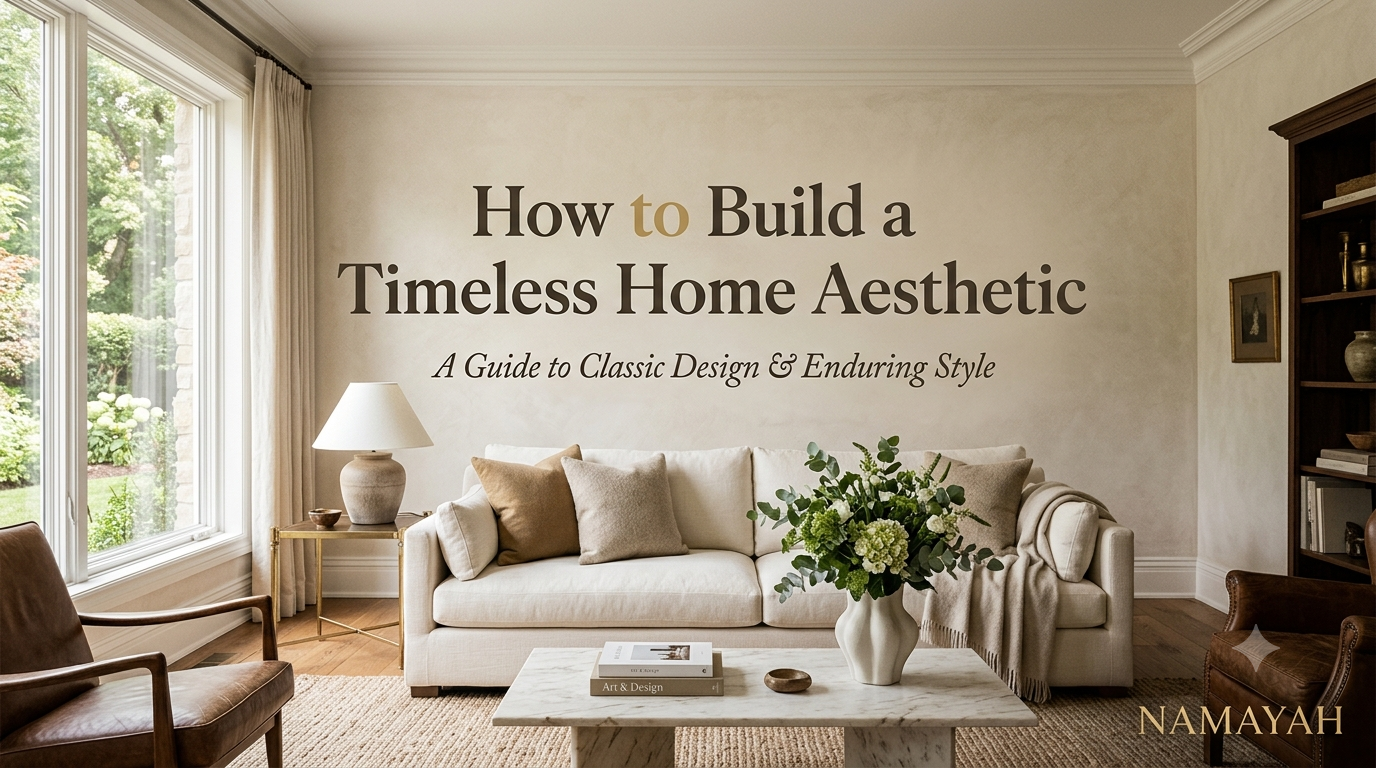
A beautifully designed home shouldn’t feel outdated after just a few years. Instead, it should evolve gracefully, remaining elegant, comfortable, and functional regardless of changing design trends. Learning How to Build a Timeless Home Aesthetic means focusing on enduring design principles rather than chasing every new style that appears on social media or in magazines.
A timeless home is not boring or plain. It reflects your personality while relying on quality craftsmanship, balanced proportions, natural materials, and thoughtful decoration. Whether you’re renovating an entire house or refreshing a single room, these principles will help create spaces you’ll enjoy for decades.
Introduction to Timeless Interior Design
Timeless interior design is built on longevity rather than popularity. Instead of decorating around short-lived trends, it emphasizes classic architecture, durable materials, and pieces that remain attractive through changing seasons of style.
Homes with timeless appeal often share several characteristics:
- Neutral yet inviting color palettes
- High-quality furniture
- Natural materials
- Comfortable layouts
- Minimal clutter
- Carefully chosen decorative accents
- Excellent lighting
These elements work together to create spaces that feel welcoming today and will continue to do so years from now.
What Makes a Home Aesthetic Timeless?
A timeless aesthetic comes from balance. Every element serves a purpose while contributing to the overall harmony of the room.
Balancing Beauty and Function
Beautiful homes are enjoyable, but practical homes are lived in. Furniture should be comfortable enough for everyday use, storage should reduce clutter, and layouts should support daily routines.
When selecting new items, ask yourself:
- Will I still love this in ten years?
- Is it well made?
- Does it complement what I already own?
- Is it practical for everyday living?
If the answer is yes, it’s more likely to become a lasting part of your home.
Why Trends Fade but Classics Endure
Design trends often focus on novelty. Bold colors, unusual shapes, or highly specific finishes may attract attention quickly but can lose appeal just as fast.
Classic design, however, is rooted in simplicity and proportion. White walls, natural wood, stone countertops, tailored upholstery, and elegant lighting have remained popular because they adapt easily as tastes evolve.
Rather than replacing an entire room whenever trends change, timeless homes simply update smaller details like cushions, artwork, throws, or seasonal décor.
Choose a Neutral Color Palette
Color forms the foundation of every room. Neutral palettes provide flexibility while creating a calm, sophisticated atmosphere.
Popular timeless neutrals include:
- Soft white
- Cream
- Warm beige
- Greige
- Light taupe
- Gentle gray
- Charcoal accents
These colors allow furniture, artwork, plants, and architectural details to become the focal points without overwhelming the space.
Warm vs. Cool Neutrals
Warm neutrals create cozy, inviting environments that suit traditional, farmhouse, Mediterranean, and transitional homes.
Cool neutrals feel crisp and modern, working particularly well in contemporary and minimalist interiors.
The key is consistency. Choose one general temperature throughout your home to create visual flow between rooms.
Adding Depth with Texture
A neutral room never has to feel flat. Layering textures creates richness without relying on bright colors.
Consider combining:
- Linen curtains
- Wool rugs
- Leather chairs
- Natural wood furniture
- Stone accessories
- Woven baskets
- Cotton throws
The variety of materials makes the room feel warm and interesting while preserving a timeless appearance.
Invest in Quality Furniture
Furniture represents one of the biggest investments in any home. Well-built pieces often last decades, making them more economical than replacing inexpensive furniture every few years.
Look for durable materials such as:
- Solid hardwood frames
- Genuine leather
- Performance fabrics
- Natural stone tops
- High-density foam cushions
- Quality joinery
Classic silhouettes—such as clean-lined sofas, rectangular dining tables, and simple upholstered chairs—blend with many decorating styles and adapt easily as your tastes evolve.
For additional inspiration on enduring design principles, the design resources from the https://www.architecturaldigest.com/ offer examples from a wide variety of homes around the world.
Mix Old and New Elements
One hallmark of a timeless home is that it doesn’t look as though everything was purchased at the same time. Combining vintage pieces with contemporary furnishings creates depth, character, and authenticity.
An antique wooden dresser can pair beautifully with a modern mirror, while a classic dining table can be refreshed with contemporary lighting. This layered approach helps your home feel collected over time rather than decorated all at once.
Focus on Natural Materials
Natural materials have remained popular for centuries because they develop character over time instead of looking worn out. Unlike many synthetic alternatives, they often become even more beautiful with age.
Wood, Stone, Linen, and Leather
Incorporating these materials throughout your home creates warmth and authenticity.
Some timeless choices include:
| Material | Best Uses | Benefits |
|---|---|---|
| Solid Wood | Dining tables, flooring, shelving | Durable and develops a rich patina |
| Natural Stone | Countertops, fireplaces, bathrooms | Elegant and long-lasting |
| Linen | Curtains, bedding, upholstery | Breathable and effortlessly sophisticated |
| Leather | Sofas, chairs, ottomans | Comfortable and ages beautifully |
| Wool | Rugs, blankets | Soft, durable, and naturally insulating |
Mixing these materials creates visual interest while maintaining a cohesive and timeless appearance.
Layer Lighting Thoughtfully
Lighting is one of the most overlooked aspects of interior design, yet it has one of the greatest impacts on how a room feels.
Rather than relying on a single ceiling fixture, layer different types of lighting throughout each space.
Ambient Lighting
This is your primary source of illumination.
Examples include:
- Ceiling fixtures
- Recessed lighting
- Chandeliers
Task Lighting
Task lighting helps with specific activities such as reading, cooking, or working.
Examples include:
- Desk lamps
- Under-cabinet kitchen lighting
- Bedside lamps
- Vanity lights
Accent Lighting
Accent lighting adds atmosphere and highlights architectural features.
Consider:
- Picture lights
- Wall sconces
- Floor lamps
- Display cabinet lighting
Installing dimmers allows you to adjust the mood throughout the day while increasing energy efficiency.
Decorate with Purpose
One of the easiest ways to create a timeless home is by decorating intentionally instead of filling every available surface.
Choose Meaningful Accessories
Instead of purchasing decorative objects simply because they’re trendy, display items that have personal significance.
Examples include:
- Family heirlooms
- Travel souvenirs
- Handmade pottery
- Framed photographs
- Original artwork
- Favorite books
These pieces tell your story and make your home feel authentic rather than staged.
A helpful guideline is to leave some empty space on shelves and tabletops. Negative space helps each item stand out and gives rooms a calm, uncluttered feel.
Keep Spaces Organized
Organization is an essential part of timeless design. Even the most beautifully decorated room can feel chaotic if clutter takes over.
Simple habits that help maintain order include:
- Use attractive storage baskets.
- Choose furniture with hidden storage.
- Edit decorative items seasonally.
- Donate items you no longer use.
- Keep countertops mostly clear.
- Organize closets regularly.
A clean, organized home allows quality materials and thoughtful design choices to shine.
Create Timeless Kitchens and Bathrooms
Kitchens and bathrooms are significant investments, so choosing classic finishes can help them remain appealing for many years.
For kitchens, consider:
- Shaker-style cabinets
- Natural stone or quartz countertops
- White or neutral backsplashes
- Stainless steel appliances
- Simple cabinet hardware
For bathrooms, timeless features include:
- White subway tiles
- Marble or porcelain surfaces
- Frameless glass showers
- Classic chrome or brushed nickel fixtures
- Large mirrors with simple frames
These choices offer flexibility, making it easy to update the space with new accessories, towels, or paint without major renovations.
Bring Nature Indoors
Natural elements soften interiors and create a welcoming atmosphere.
Easy ways to incorporate nature include:
- Houseplants
- Fresh flowers
- Branches in decorative vases
- Natural woven baskets
- Stone bowls
- Wooden trays
Popular low-maintenance plants include:
- Snake Plant
- ZZ Plant
- Pothos
- Peace Lily
- Rubber Plant
Adding greenery improves visual appeal and introduces organic shapes that balance clean architectural lines.
Common Mistakes to Avoid
Even with good intentions, certain decorating choices can make a home feel dated more quickly.
Avoid these common pitfalls:
- Decorating entirely around current trends
- Buying low-quality furniture solely because it’s inexpensive
- Using too many bold colors in permanent features
- Matching every piece of furniture exactly
- Ignoring proper lighting
- Filling every wall and shelf with décor
- Choosing style over comfort
Instead, prioritize flexibility so your home can evolve naturally over time.
Frequently Asked Questions
1. What is the most important part of a timeless home aesthetic?
Quality materials, balanced design, and a neutral foundation are the most important elements. These features remain attractive regardless of changing trends.
2. Are neutral colors boring?
Not at all. Layering different textures, fabrics, wood tones, and artwork creates depth and warmth without relying on bright colors.
3. Can modern homes have a timeless aesthetic?
Absolutely. Timeless design works with both traditional and modern architecture. Clean lines, durable materials, and thoughtful furnishings create lasting appeal in any style.
4. How often should I update my home décor?
Large furniture and permanent finishes should remain consistent for many years. Smaller accessories, cushions, artwork, and seasonal décor can be refreshed whenever you’d like a new look.
5. Is vintage furniture necessary for timeless interiors?
No, but incorporating one or two vintage or antique pieces often adds character and prevents a room from feeling overly uniform.
6. How can I make my home look more expensive without spending a fortune?
Focus on quality over quantity. Fresh paint, good lighting, decluttering, well-made textiles, and a few carefully selected decorative pieces often have a greater impact than buying many inexpensive accessories.
Conclusion
Learning How to Build a Timeless Home Aesthetic is about making thoughtful choices that prioritize longevity, comfort, and authenticity. Rather than chasing every new trend, invest in quality furniture, embrace natural materials, maintain a neutral color palette, and decorate with intention.
A timeless home evolves with you. It reflects your personality while remaining functional, elegant, and welcoming through every stage of life. By focusing on enduring design principles instead of short-lived fads, you’ll create spaces that continue to feel beautiful for years to come.
Whether you’re starting from scratch or making gradual updates, every carefully considered decision contributes to a home that never goes out of style.