
How Indian Artisans Preserve Traditional Woodcraft Techniques
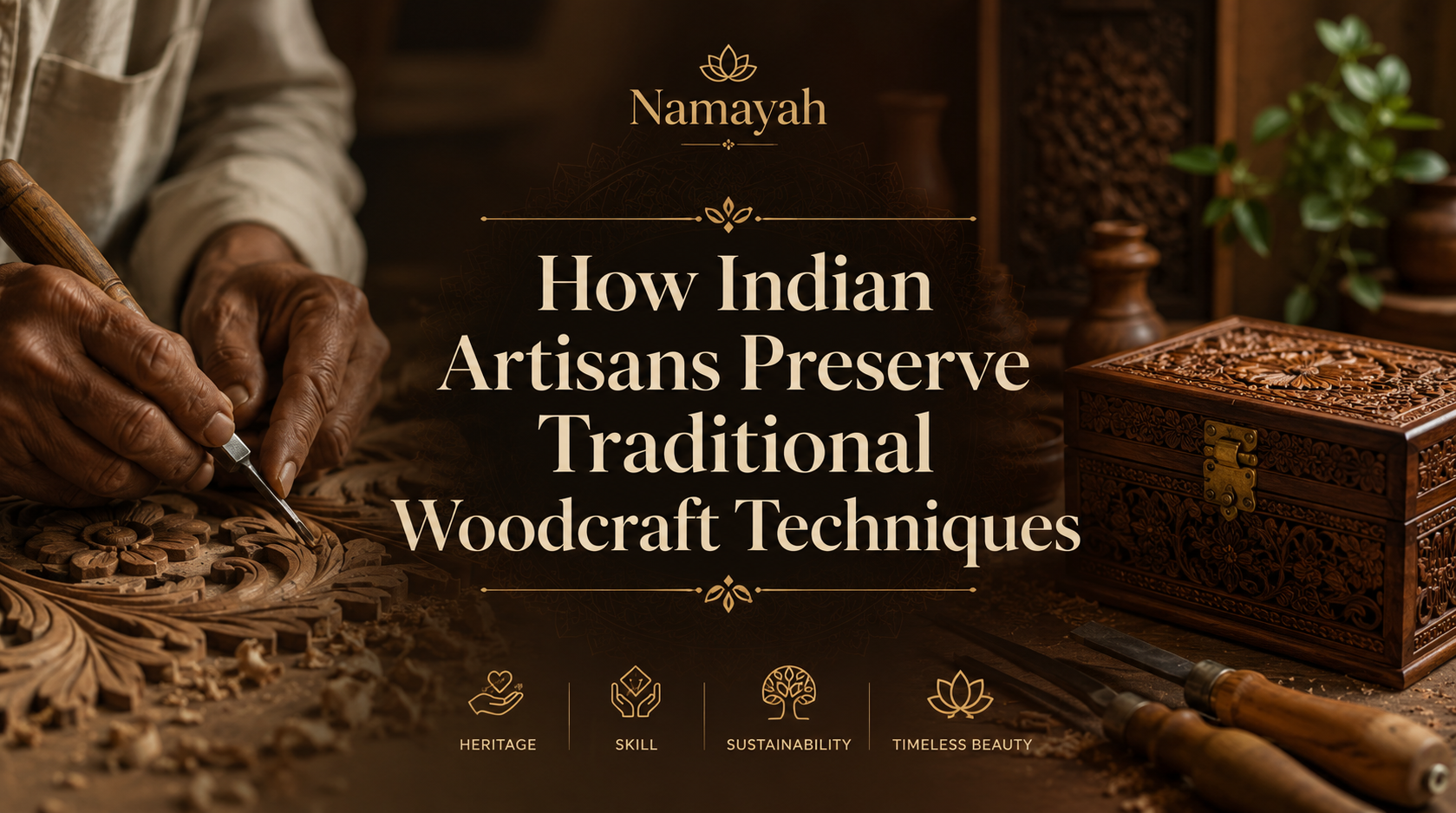
India’s traditional woodcraft heritage is one of the most fascinating examples of living craftsmanship in the world. For centuries, skilled artisans have transformed ordinary wood into intricate furniture, decorative panels, religious sculptures, toys, and architectural masterpieces. Today, despite rapid industrialization and machine-based production, many craftsmen continue to protect and nurture these ancient skills.
Understanding How Indian Artisans Preserve Traditional Woodcraft Techniques offers valuable insight into the country’s cultural identity, economic resilience, and commitment to heritage conservation. Through dedication, community support, and innovation, artisans are ensuring that these timeless traditions remain relevant for future generations.
Introduction to India’s Rich Woodcraft Heritage
Woodworking has been an integral part of Indian culture for thousands of years. Historical records, temple architecture, and archaeological findings reveal a long-standing tradition of sophisticated wood carving and craftsmanship.
From ornate temple doors in South India to finely carved walnut furniture in Kashmir, every region has developed unique artistic styles influenced by local culture, climate, and available materials.
Traditional Indian woodcraft is not merely about creating functional objects. It is a form of storytelling, preserving myths, religious beliefs, social customs, and artistic expressions through carved designs and motifs.
Historical Roots of Indian Woodcraft
Ancient Influences on Woodworking Traditions
Indian woodcraft traces its origins to ancient civilizations. Craftsmen created chariots, furniture, household items, and religious artifacts using techniques refined over generations.
Many carving patterns seen today originated from:
- Temple architecture
- Royal palaces
- Folk traditions
- Religious iconography
- Nature-inspired motifs
These artistic influences continue to shape contemporary handcrafted wooden products.
Regional Diversity in Woodcraft Styles
India’s geographical diversity has led to remarkable variations in woodworking traditions.
Some notable examples include:
| Region | Specialty |
|---|---|
| Uttar Pradesh | Intricate floral wood carving |
| Kashmir | Walnut wood carving |
| Karnataka | Rosewood inlay work |
| Gujarat | Decorative wooden furniture |
| Rajasthan | Painted and carved wooden items |
| Kerala | Temple wood architecture |
Each region preserves distinct methods while contributing to India’s broader cultural heritage.
The Importance of Preserving Traditional Woodcraft
Cultural Significance
Traditional woodcraft serves as a bridge between the past and present. Every carved pattern carries historical meaning and reflects centuries of artistic evolution.
Preserving these crafts helps:
- Protect cultural identity
- Maintain historical continuity
- Educate younger generations
- Celebrate regional diversity
Without active preservation, valuable knowledge accumulated over centuries could disappear.
Economic Value for Rural Communities
Woodcraft supports thousands of artisan families across India. Handcrafted products generate income through:
- Local markets
- Tourism
- Export businesses
- Online sales platforms
For many rural communities, traditional woodworking remains a vital source of livelihood.
Apprenticeship: Passing Knowledge Through Generations
One of the most effective ways artisans preserve traditional techniques is through direct teaching.
Family-Based Learning Systems
Many woodcraft skills are passed from parents to children. Young learners often begin observing and assisting elders at an early age.
This system allows apprentices to master:
- Wood selection
- Tool handling
- Design interpretation
- Finishing techniques
- Quality control
Years of hands-on experience ensure deep understanding of the craft.
Guru-Shishya Tradition in Craftsmanship
The traditional Guru-Shishya (teacher-student) model remains important in many artisan communities.
Students spend extensive time learning under master craftsmen, absorbing both technical skills and artistic philosophy. This approach preserves nuanced techniques that cannot be easily documented in books.
Use of Traditional Tools and Methods
Hand-Carving Techniques
Although modern machinery is widely available, many artisans still prefer hand tools such as:
- Chisels
- Gouges
- Mallets
- Hand saws
- Carving knives
Hand carving provides greater control and allows craftsmen to create intricate details impossible to replicate through mass production.
Maintaining Authentic Craft Processes
Traditional processes often involve:
- Careful seasoning of wood.
- Manual design sketching.
- Precision carving.
- Natural polishing methods.
- Detailed finishing work.
These techniques contribute to the authenticity and uniqueness of each handcrafted piece.
Regional Woodcraft Traditions Across India
Saharanpur Wood Carving
Saharanpur in Uttar Pradesh is internationally recognized for its elaborate floral carvings and decorative furniture.
Artisans continue to preserve centuries-old patterns while adapting products to modern consumer preferences.
Kashmir Walnut Woodwork
Kashmir’s walnut wood carving tradition is renowned for intricate craftsmanship. Craftsmen create:
- Furniture
- Decorative boxes
- Wall panels
- Home décor items
The natural grain of walnut wood enhances the beauty of detailed carvings.
Karnataka Rosewood Inlay Work
This unique art form involves embedding contrasting materials into rosewood surfaces to create decorative patterns.
The process requires extraordinary precision and remains one of India’s most respected woodworking traditions.
Sustainable Sourcing of Wood Materials
Responsible Forestry Practices
Many artisan communities recognize the importance of environmental stewardship.
Sustainable practices include:
- Using legally sourced timber
- Participating in reforestation efforts
- Reducing material waste
- Utilizing reclaimed wood
These measures help ensure long-term availability of raw materials.
Balancing Conservation and Craft
Preserving traditional woodcraft requires balancing artistic needs with ecological responsibility. Increasing awareness among artisans and consumers encourages sustainable production methods.
Role of Cultural Institutions and NGOs
Training Programs and Workshops
Various organizations support woodcraft preservation through:
- Skill development workshops
- Artisan training centers
- Design innovation programs
- Market access initiatives
These efforts help younger generations remain engaged with traditional crafts.
Documentation and Preservation Efforts
Researchers and cultural institutions document:
- Traditional carving methods
- Historical designs
- Regional variations
- Artisan stories
Documentation creates valuable resources for future craftsmen and scholars.
Government Support and Policy Initiatives
Handicraft Promotion Schemes
Government programs often provide:
- Financial assistance
- Marketing support
- Skill enhancement training
- Participation in trade fairs
Such initiatives strengthen artisan communities and promote traditional crafts globally.
Geographical Indication (GI) Protection
GI registration helps protect region-specific woodcraft traditions by recognizing their unique origin and characteristics.
This protection enhances authenticity and prevents imitation products from undermining artisan livelihoods.
Integration of Modern Technology
Digital Marketing for Traditional Crafts
Technology has opened new opportunities for artisans.
Benefits include:
- Direct online sales
- Global customer access
- Social media promotion
- Virtual exhibitions
Digital platforms allow traditional craftsmen to reach audiences far beyond their local communities.
Online Learning and Documentation
Video tutorials, digital archives, and virtual workshops help preserve valuable knowledge while making it accessible to wider audiences.
This blend of tradition and technology is becoming increasingly important in safeguarding craft heritage.
Challenges Facing Traditional Woodcraft
Competition from Mass Production
Factory-made products are often cheaper and faster to produce, making it difficult for artisans to compete solely on price.
Consumers may overlook the craftsmanship and cultural value embedded in handmade products.
Shortage of Skilled Craftsmen
Many younger individuals seek careers outside traditional crafts due to economic uncertainty.
Without sufficient apprentices, certain specialized techniques risk disappearing over time.
Future of Indian Woodcraft Traditions
The future of Indian woodcraft depends on a combination of preservation and adaptation. Artisans who embrace innovation while maintaining traditional methods are better positioned to thrive in modern markets.
Growing consumer interest in sustainable, handmade, and culturally authentic products offers encouraging opportunities for traditional craftsmen.
As educational institutions, governments, NGOs, and consumers continue supporting artisans, India’s woodcraft heritage can remain vibrant and economically viable for generations.
Frequently Asked Questions (FAQs)
1. Why is traditional woodcraft important in India?
Traditional woodcraft preserves cultural heritage, supports artisan livelihoods, and reflects centuries of artistic knowledge and craftsmanship.
2. How do artisans learn traditional woodworking skills?
Most artisans learn through family traditions, apprenticeships, and the Guru-Shishya system, which emphasizes hands-on training.
3. Which Indian regions are famous for woodcraft?
Saharanpur, Kashmir, Karnataka, Rajasthan, Gujarat, and Kerala are among the most recognized centers of traditional woodcraft.
4. What types of wood are commonly used in Indian woodcraft?
Common materials include walnut, rosewood, teak, sheesham (Indian rosewood), and sandalwood, depending on regional availability.
5. How does technology help preserve traditional woodcraft?
Technology enables online marketing, digital documentation, virtual training, and broader market access for artisans.
6. What challenges threaten traditional woodworking traditions?
Mass-produced goods, declining apprenticeship participation, limited income opportunities, and resource constraints are major challenges.
7. Are traditional woodcraft products environmentally sustainable?
Many artisans increasingly adopt sustainable sourcing, reforestation initiatives, and responsible forestry practices to reduce environmental impact.
Conclusion
Understanding How Indian Artisans Preserve Traditional Woodcraft Techniques reveals a powerful story of resilience, creativity, and cultural stewardship. Through apprenticeships, traditional tools, sustainable resource management, institutional support, and technological adaptation, artisans continue safeguarding centuries-old knowledge.
These craftsmen do more than create beautiful objects—they preserve living traditions that connect communities to their history and identity. By supporting handcrafted products and recognizing their cultural significance, consumers can help ensure that India’s extraordinary woodcraft heritage continues to flourish in the modern world.
For additional information on Indian handicrafts and heritage preservation, visit the official website of the Development Commissioner (Handicrafts).