
How Handmade Serveware Makes Entertaining More Memorable
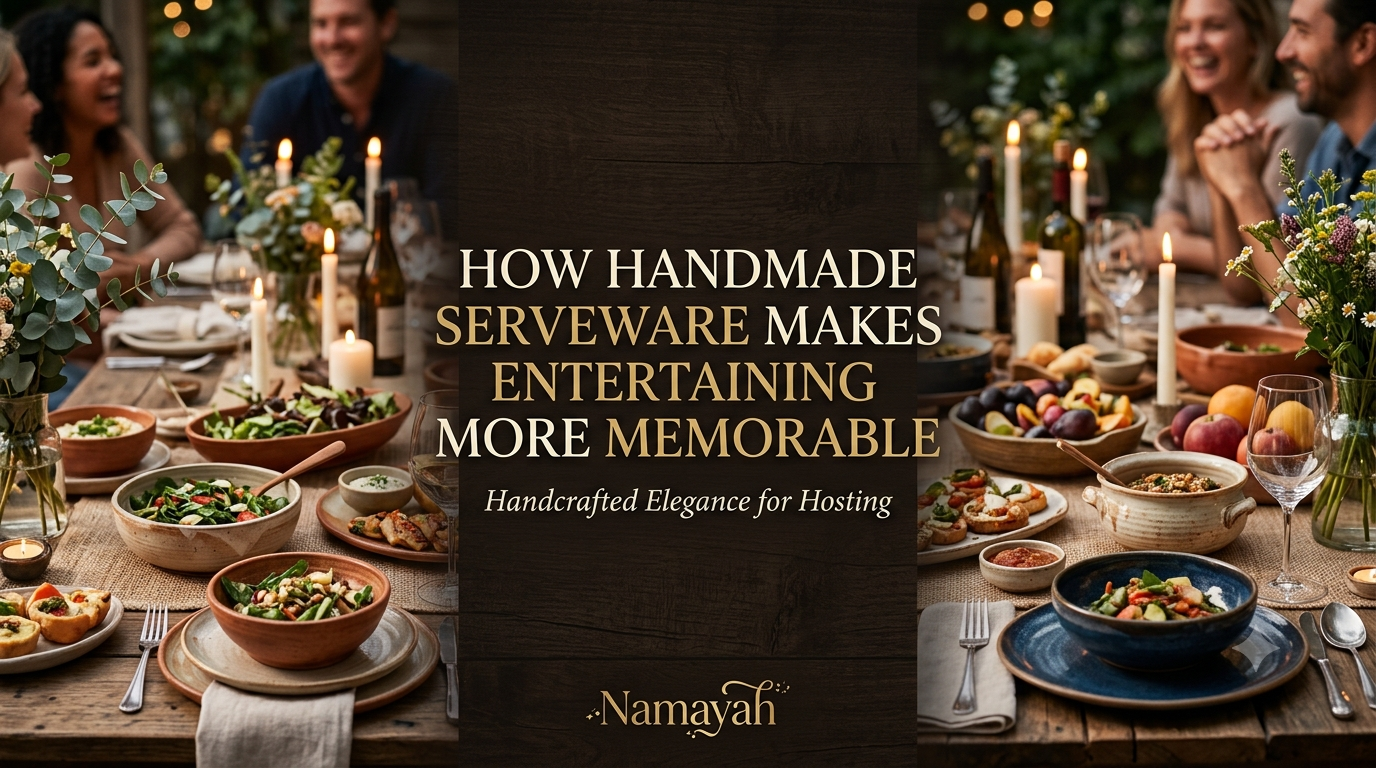
How Handmade Serveware Makes Entertaining More Memorable
Entertaining is about more than the food on the menu. The atmosphere, presentation, conversation, and small details all contribute to how guests experience a gathering. Handmade serveware can bring those details together by adding character, texture, and a sense of occasion to the table.
Unlike uniform mass-produced pieces, handmade serveware often carries visible signs of the maker’s process. Subtle variations in shape, glaze, texture, or finish can make each piece feel distinctive. When thoughtfully chosen, these qualities can transform an ordinary meal into an experience that feels personal and considered.
Whether you are hosting a relaxed weekend brunch, an intimate dinner, or a festive celebration, handmade serveware offers a simple way to make the table feel more welcoming.
What Is Handmade Serveware?
Handmade serveware refers to serving pieces created individually or in small batches using craft-based techniques. Depending on the maker and material, this can include ceramic serving platters, handmade bowls, wooden serving boards, glass pieces, trays, pitchers, and other tabletop accessories.
The defining characteristic is the human element behind the object. Handmade pieces may show slight differences from one another rather than having the perfectly uniform appearance associated with factory-produced tableware.
Those variations are not necessarily imperfections. They can be part of the appeal, giving the table a sense of authenticity and individuality.
Why Serveware Matters When You Host
When people gather for a meal, they experience the table visually before they begin eating. Serving dishes, plates, bowls, glasses, linens, and decorative elements establish the mood of the occasion.
Serveware also has a practical role. It helps organize food, makes serving easier, and can encourage guests to interact with dishes and one another.
A thoughtfully arranged table does not have to be formal. Even a casual meal can feel special when the serving pieces create a cohesive and welcoming setting.
This is where handmade serveware can make a difference. Instead of treating serving dishes as purely functional objects, handmade pieces can become part of the visual and emotional experience.
Handmade Pieces Add Personality to the Table
One of the biggest advantages of handmade serveware is its ability to introduce personality.
A handmade ceramic platter with an organic shape can soften a formal table. A textured serving bowl can add visual interest to a simple setting. A wooden board can bring warmth to a contemporary dining arrangement.
Because handmade pieces are often distinctive, they can also help a host create a table that feels less predictable.
You do not need an entire collection of handmade tableware to achieve this effect. A single statement platter, serving bowl, or tray can become a focal point among simpler everyday pieces.
The goal is not perfection. It is creating a setting that feels like it belongs to you.
Craftsmanship Creates a Sense of Occasion
A meal can feel more memorable when the objects surrounding it encourage guests to slow down and notice their surroundings.
Handmade serveware can contribute to that feeling because its material, shape, and finish invite closer attention. The texture of a ceramic surface or the natural character of wood can make a serving piece feel tactile as well as functional.
This can be particularly effective for occasions that are meant to feel meaningful.
A dinner celebrating a milestone, a holiday gathering, or a meal prepared for close friends can benefit from details that distinguish it from an ordinary weekday dinner.
Handmade serveware does not need to be elaborate. Sometimes a beautifully made serving bowl is enough to signal that the meal deserves attention.
Every Piece Can Become Part of the Story
Objects often become connected to memories.
A serving platter used for family celebrations may eventually remind people of the meals shared around it. A bowl passed around during regular Sunday lunches can become familiar to generations of guests. A serving board associated with gatherings can acquire meaning through repeated use.
This is one reason handmade serveware can be especially appealing. Its distinctive appearance makes it easier to recognize and remember.
Over time, the piece becomes more than something used to serve food. It can become part of the visual language of your home and the traditions surrounding your gatherings.
The most memorable entertaining details are often the ones that are used repeatedly rather than stored away for special occasions.
Handmade Serveware Encourages Thoughtful Hosting
Good hosting is often about making guests feel comfortable and considered.
Choosing attractive serving pieces can encourage a host to think about presentation, portions, placement, and how guests will interact with the food.
For example, instead of placing a large dish directly on the table without consideration, a host might select a handmade platter that complements the meal and position it where everyone can reach it.
These small decisions can make entertaining feel more intentional without making it complicated.
Handmade serveware can therefore support a broader approach to hosting: focus on creating a welcoming environment rather than trying to achieve a perfectly styled table.
How to Choose Handmade Serveware for Entertaining
When building a collection, start with pieces that you will actually use.
Consider the following factors:
1. Think About Your Hosting Style
Do you usually host casual brunches, family dinners, cocktail gatherings, or larger celebrations?
Your answer can help determine which pieces are most useful.
A large platter may be ideal for shared meals, while smaller bowls may work better for appetizers, sauces, salads, or desserts.
2. Choose Versatile Shapes
A versatile serving piece can be used for multiple types of food.
For example, a broad platter might hold roasted vegetables for dinner, pastries at brunch, or fruit at an afternoon gathering.
Versatility helps prevent your collection from becoming crowded with pieces that have only one purpose.
3. Consider Material and Care Requirements
Different handmade materials require different levels of care.
Before purchasing, check the maker’s instructions for washing, heating, soaking, staining, and other use considerations. If a piece will be used frequently, practical maintenance should be part of your decision.
4. Look for Pieces That Complement Your Existing Tableware
Handmade serveware does not need to match every item on the table.
In fact, combining handmade pieces with simple plates and neutral linens can create a relaxed, layered look.
Choose colors, textures, and shapes that work with what you already own.
Build a Versatile Collection
A useful handmade serveware collection does not have to contain dozens of pieces.
A few carefully selected items can cover many entertaining situations:
- One large serving platter
- A medium serving bowl
- Two or three smaller bowls
- A serving board or tray
- A pitcher or carafe
- A distinctive centerpiece piece
You can expand the collection over time as you discover what you use most.
This approach also allows each new piece to have a purpose rather than becoming another item stored in a cabinet.
How to Style Handmade Serveware
Styling handmade serveware does not require professional tablescaping skills.
Start by considering height, texture, and spacing.
Place larger serving pieces where they are easy to access. Use smaller bowls to create visual variation. If the table contains several patterns or colors, balance them with simpler pieces.
Natural materials can work particularly well together. For example, a ceramic platter paired with a wooden serving board and neutral textiles can create a warm, relaxed table.
Most importantly, avoid overcrowding the table. Guests need room to serve themselves, talk, and move comfortably.
Mix Handmade and Everyday Tableware
One common misconception is that handmade serveware requires a completely handmade table.
It does not.
In fact, mixing handmade and everyday pieces can make a table feel more natural.
Try using a distinctive handmade platter alongside plain dinner plates. Or place a handmade bowl in the center of a table with familiar glasses and cutlery.
The contrast can make the handmade piece stand out without making the entire setting feel overly formal.
This approach also makes handmade serveware practical for everyday life. You do not have to wait for a major celebration to use something beautiful.
Handmade Serveware for Different Occasions
Casual Brunch
Use small handmade bowls for fruit, yogurt toppings, pastries, or spreads. A textured platter can give a simple breakfast table more visual interest.
Family Dinner
A large serving bowl or platter can make shared dishes feel inviting. Place the food where guests can comfortably serve themselves.
Dinner Party
Choose a few distinctive pieces as focal points and keep the rest of the table relatively simple. This creates a polished setting without competing with the food.
Holiday Gathering
Layer handmade pieces with seasonal textiles, natural decorations, and existing tableware. Pieces with warm textures can help create a welcoming atmosphere.
Outdoor Entertaining
Select sturdy, practical pieces that suit the setting. Serving boards, bowls, and trays can be particularly useful for casual outdoor meals.
Caring for Handmade Serveware
The longevity of handmade serveware depends on its material, construction, finish, and intended use.
Always follow the care instructions provided by the maker. Some pieces may be suitable for a dishwasher or microwave, while others may require hand washing or more careful handling.
Avoid assuming that two visually similar handmade pieces have identical care requirements.
Proper storage also matters. Give delicate pieces enough space to avoid unnecessary chips, scratches, or impacts.
With appropriate care, frequently used serveware can remain part of your entertaining routine for years.
Why Handmade Serveware Makes a Thoughtful Gift
Handmade serveware can also make a meaningful gift because it combines usefulness with personal character.
A serving bowl, platter, or board can suit someone who enjoys cooking, hosting, decorating, or simply gathering people around a table.
Instead of choosing a generic decorative object, you can select something that has a practical role in the recipient’s home.
For an especially thoughtful gift, consider the person’s existing style and entertaining habits. A minimalist host may appreciate a simple neutral piece, while someone who enjoys expressive interiors may prefer bold color, texture, or unusual forms.
The best choice is one that feels natural in the recipient’s home and is likely to be used.
FAQs About Handmade Serveware
What makes handmade serveware different from mass-produced serveware?
Handmade serveware is created through individual or small-batch craft processes, so pieces may have subtle variations in shape, texture, color, or finish. These differences can give each piece a distinctive character.
Is handmade serveware suitable for everyday use?
Yes, many handmade serving pieces are designed for regular use. However, suitability depends on the material, construction, and maker’s care instructions. Always check the recommended use before purchasing.
How can I make handmade serveware the centerpiece of my table?
Choose one visually distinctive piece and build the rest of the table around it. Keep surrounding tableware relatively simple so the handmade item can provide a focal point without overwhelming the setting.
Does handmade serveware need to match my dinnerware?
No. Mixing handmade pieces with existing dinnerware can create a more relaxed and layered appearance. Look for complementary colors, textures, shapes, or materials rather than trying to achieve an exact match.
What handmade serveware should I buy first?
Start with versatile pieces that suit your typical meals. A large platter, serving bowl, or serving board can often be used for several types of food and occasions.
How should handmade ceramic serveware be cared for?
Care requirements vary by piece. Follow the maker’s instructions regarding washing, heating, soaking, and storage. Do not assume that every handmade ceramic item is dishwasher- or microwave-safe.
Can handmade serveware be used for formal entertaining?
Absolutely. A carefully selected handmade platter or bowl can add character to a formal table while keeping the overall setting sophisticated. The key is balancing distinctive pieces with complementary tableware.
Why is handmade serveware a good gift?
Handmade serveware combines practical function with individuality. It can be especially appropriate for people who enjoy cooking, entertaining, interior design, or creating welcoming spaces at home.
Conclusion
Handmade serveware makes entertaining more memorable by bringing personality, craftsmanship, and thoughtful detail to the table. A distinctive platter or serving bowl can do more than hold food—it can help establish the atmosphere of a gathering and eventually become part of the memories associated with it.
The best approach is not to create a perfect table. Instead, choose pieces that suit your lifestyle, complement your existing tableware, and invite people to gather comfortably.