
How Handmade Products Support Local Indian Artisans
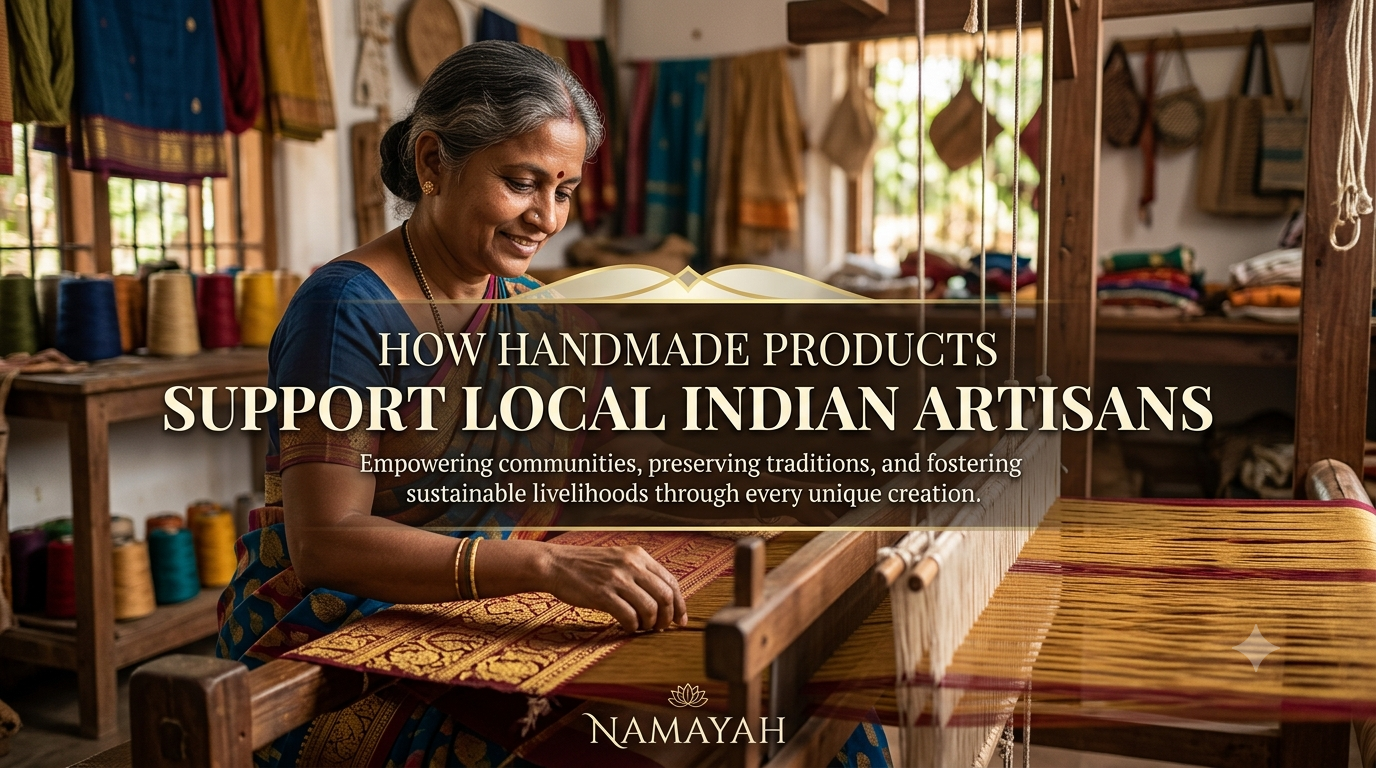
Handmade products are more than beautiful objects—they represent centuries of craftsmanship, creativity, and cultural heritage. Across India, artisans dedicate years to mastering traditional skills passed down through generations. Every handcrafted textile, pottery item, wooden carving, painting, or piece of jewelry tells a unique story that factory-made products simply cannot replicate.
Choosing handmade products is not only a purchasing decision but also a meaningful way to support local communities, preserve traditional crafts, and encourage sustainable production. As consumers become more conscious about ethical shopping, handmade goods continue to gain recognition for their social, cultural, and environmental value.
Why Handmade Products Matter
Unlike mass-produced items, handmade products are created with personal attention and skilled craftsmanship. Artisans invest time, experience, and creativity into every piece, resulting in products that often feature unique designs and exceptional quality.
Handmade goods also celebrate regional traditions. Different parts of India are known for distinctive crafts, including handwoven textiles, terracotta pottery, bamboo products, metalwork, embroidery, block printing, and natural fiber crafts. Supporting these products helps keep these traditions alive.
Preserving India’s Traditional Crafts
India has one of the world’s richest craft traditions. Many artisan families have practiced the same craft for generations, preserving techniques that reflect local history, culture, and identity.
However, rapid industrialization and mass production have reduced demand for many traditional crafts. Purchasing handmade products helps create a market for authentic craftsmanship, encouraging younger generations to continue these traditions rather than abandoning them for other occupations.
By supporting artisans, consumers contribute to the preservation of India’s diverse cultural heritage.
Creating Sustainable Livelihoods
Handmade products provide employment for millions of artisans across India. For many families, craft production is their primary source of income.
When consumers purchase directly from artisans, cooperatives, or fair-trade organizations, a larger share of the revenue reaches the people who create the products. This income helps artisans:
- Support their families
- Invest in better tools and materials
- Educate their children
- Improve their living standards
- Continue practicing traditional crafts
Consistent demand also provides greater financial stability, enabling artisans to plan for the future.
Empowering Women and Rural Communities
Many handmade industries rely heavily on women artisans who work from their homes or community workshops. Craft-based employment often offers flexible opportunities that allow women to earn an income while balancing family responsibilities.
The growth of artisan businesses can also strengthen rural communities by:
- Creating local employment
- Reducing migration to cities
- Encouraging entrepreneurship
- Supporting self-help groups and cooperatives
- Preserving community traditions
These benefits extend beyond individual artisans, contributing to broader community development.
Supporting Sustainable and Ethical Shopping
Handmade products are often associated with more sustainable production practices than large-scale manufacturing.
Many artisans use:
- Natural fibers
- Recycled materials
- Locally sourced raw materials
- Traditional production techniques
- Small-batch manufacturing
Because handmade production generally creates less industrial waste and emphasizes durability over mass production, it can support more responsible consumption when materials are sourced sustainably.
Consumers who choose handmade products often prioritize quality, craftsmanship, and longevity instead of fast, disposable goods.
Challenges Faced by Indian Artisans
Despite their talent and dedication, many artisans face significant challenges, including:
- Limited market access
- Competition from inexpensive machine-made products
- Rising raw material costs
- Limited digital marketing knowledge
- Seasonal demand fluctuations
- Difficulty reaching international customers
These challenges can reduce earnings and discourage younger generations from continuing traditional crafts.
Improved access to online marketplaces, skill development, and consumer awareness can help address many of these issues.
How Consumers Can Make a Difference
Supporting Indian artisans does not always require major spending. Small purchasing decisions can have a meaningful impact.
Here are practical ways to help:
- Buy authentic handmade products whenever possible.
- Purchase directly from artisan groups or verified craft businesses.
- Share artisan businesses on social media.
- Choose quality over quantity.
- Learn about the story behind each craft.
- Gift handmade products during festivals and celebrations.
- Encourage friends and family to support local artisans.
Even a single purchase can help sustain traditional craftsmanship and provide valuable income for artisan families.
The Future of Handmade Products in India
Growing interest in sustainable living and ethical shopping presents new opportunities for Indian artisans. Digital marketplaces, social media, and direct-to-consumer platforms enable craftspeople to reach customers far beyond their local communities.
As awareness increases, handmade products can continue to preserve India’s artistic traditions while creating inclusive economic opportunities for future generations.
Frequently Asked Questions
Why are handmade products important?
Handmade products preserve traditional craftsmanship, support skilled artisans, promote ethical shopping, and often offer unique quality that mass-produced items cannot match.
How do handmade products help Indian artisans?
Purchasing handmade goods provides income, creates employment opportunities, supports local businesses, and encourages artisans to continue practicing traditional crafts.
Are handmade products environmentally friendly?
Many handmade products use locally sourced materials, smaller production batches, and traditional techniques that may reduce waste compared with mass manufacturing. Environmental impact varies depending on materials and production methods.
Why are handmade products more expensive?
Handmade items reflect the time, skill, craftsmanship, and quality materials involved in their creation. Each product is individually crafted rather than produced in large volumes.
How can I verify whether a product is handmade?
Look for detailed product descriptions, information about the artisan or craft community, transparent sourcing practices, and reputable sellers who clearly explain how the product is made.
What types of handmade products are popular in India?
Popular categories include handwoven textiles, pottery, wooden crafts, handmade jewelry, embroidery, paintings, bamboo products, leather goods, and home décor.
Conclusion
Handmade products represent far more than attractive purchases—they are investments in people, culture, and sustainable livelihoods. Every handcrafted item reflects the dedication and creativity of skilled Indian artisans who preserve traditions that have been passed down for generations.
By choosing handmade products, consumers help create economic opportunities, encourage ethical shopping, support rural communities, and contribute to preserving India’s rich artistic heritage. Whether buying for yourself or as a gift, each handmade purchase can play a small but meaningful role in sustaining local craftsmanship for future generations.