
How Handcrafted Home Décor Adds Character to Modern Homes
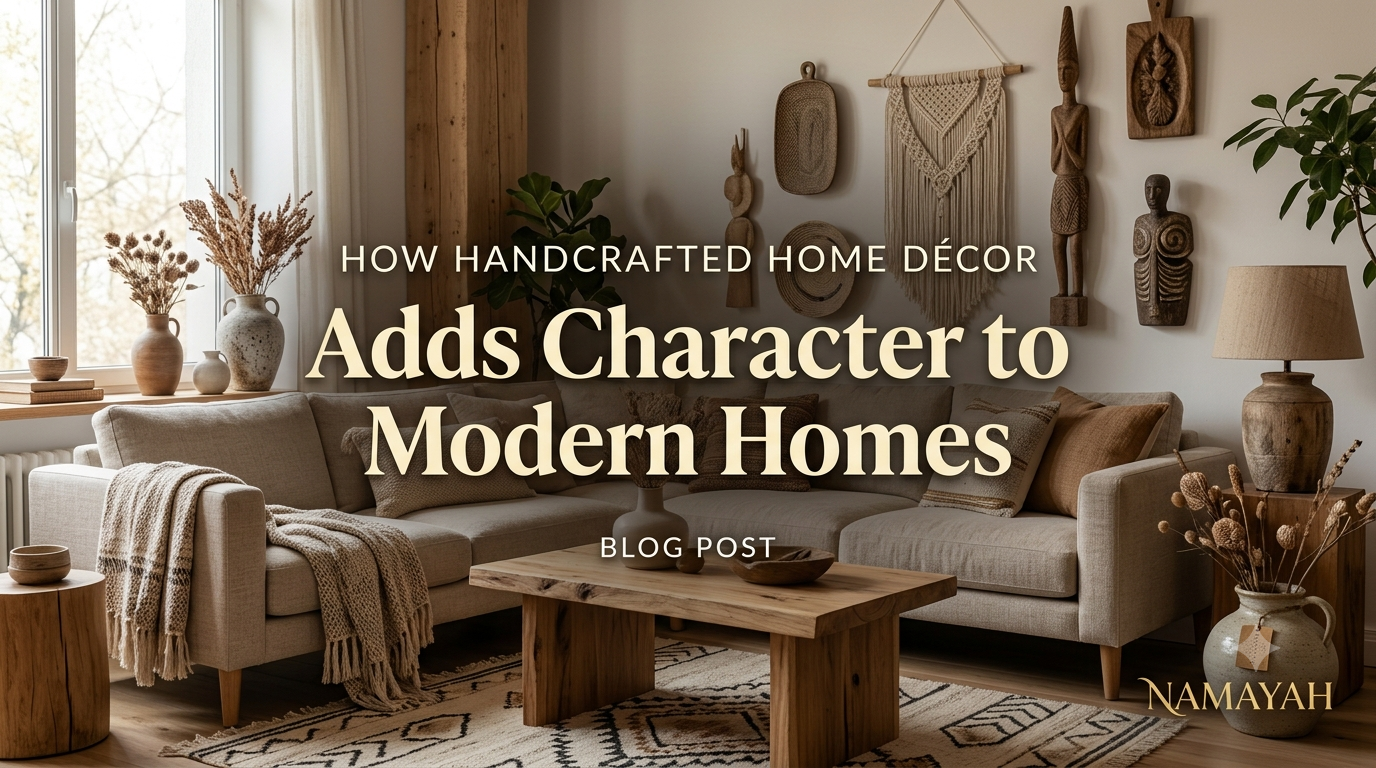
Modern homes are often admired for their clean lines, open layouts, and minimalist style. While these features create a fresh and organized appearance, they can sometimes feel impersonal or lacking in warmth. One of the easiest ways to bring personality into contemporary interiors is by incorporating handcrafted home décor.
Handmade décor pieces tell a story through their craftsmanship, materials, and unique details. Whether it’s a woven basket, a carved wooden sculpture, or a hand-painted ceramic vase, these items introduce texture, authenticity, and individuality that mass-produced products often cannot replicate.
What Is Handcrafted Home Décor?
Handcrafted home décor refers to decorative items created primarily by skilled artisans rather than through large-scale industrial manufacturing. Each piece reflects the maker’s techniques, creativity, and attention to detail.
Examples include:
- Handmade pottery
- Woven baskets
- Wooden wall art
- Hand-knotted rugs
- Artisan candles
- Embroidered cushions
- Hand-blown glass
- Macramé wall hangings
Because each item is individually crafted, small variations make every piece distinctive.
Why Modern Homes Benefit from Handmade Pieces
Adds Warmth
Modern interiors often feature neutral colors and sleek surfaces. Handmade items introduce natural textures and organic materials that make rooms feel more inviting.
Creates Visual Interest
Handcrafted décor includes subtle imperfections and unique finishes that draw attention and add depth to minimalist spaces.
Expresses Personality
Instead of decorating with identical factory-made accessories, homeowners can showcase pieces that reflect their interests, travels, or appreciation for craftsmanship.
Becomes a Conversation Starter
Guests frequently notice distinctive handmade items. A ceramic centerpiece or carved wooden sculpture often has a story worth sharing.
Popular Types of Handcrafted Home Décor
Handmade Ceramics
Artisan pottery works beautifully as decorative bowls, planters, mugs, and vases. Their natural finishes complement both modern and rustic interiors.
Wooden Decorations
Hand-carved trays, sculptures, shelves, and serving boards introduce warmth while balancing contemporary materials like glass and metal.
Textile Art
Handwoven rugs, embroidered cushions, quilts, and macramé wall hangings soften clean architectural lines.
Woven Storage
Baskets made from natural fibers combine function with style, offering attractive storage for blankets, toys, or plants.
Handmade Lighting
Pendant lights crafted from bamboo, rattan, or woven fibers create warm ambient lighting and serve as focal points.
Styling Handcrafted Décor Throughout Your Home
Living Room
Mix handmade cushions with a modern sofa. Add ceramic vases or wooden bowls to coffee tables for texture.
Dining Room
Use handcrafted table runners, pottery, and wooden serving boards to create a welcoming dining experience.
Bedroom
Layer woven throws, artisan cushions, and handmade bedside lamps to make the space feel cozy and relaxing.
Kitchen
Display handmade pottery, wooden utensils, and woven baskets on open shelving for both beauty and practicality.
Home Office
Introduce handcrafted organizers, desk accessories, or framed textile art to add warmth without distracting from productivity.
The Sustainability Advantage
Many handcrafted home décor products are made using renewable materials such as:
- Wood
- Cotton
- Clay
- Bamboo
- Wool
- Natural fibers
Many artisans also create products in smaller batches, which can reduce waste compared with large-scale production. Choosing durable, well-made pieces may also encourage longer use and fewer replacements over time.
When shopping, look for information about the materials, production methods, and sourcing practices to better understand a product’s environmental impact.
How to Choose High-Quality Handmade Décor
Consider these factors before purchasing:
Material Quality
Choose durable natural materials that suit your home’s style and intended use.
Craftsmanship
Look for neat finishes, sturdy construction, and thoughtful design details.
Authenticity
Learn about the artisan or workshop whenever possible. Understanding the story behind a piece can add personal meaning.
Size and Scale
Ensure each item fits comfortably within the available space without overwhelming the room.
Color Coordination
Select handcrafted items that complement your existing palette while adding contrast through texture or subtle accents.
Common Decorating Mistakes to Avoid
Overcrowding the Space
Too many decorative objects can reduce the impact of each handcrafted piece. Leave room for individual items to stand out.
Ignoring Balance
Combine handmade accessories with modern furniture to create harmony instead of making the room feel overly themed.
Choosing Style Over Function
Decorative items that also serve practical purposes—such as baskets, trays, or storage boxes—offer lasting value.
Mixing Too Many Materials
Limit the variety of textures and finishes to maintain a cohesive design throughout your home.
Why Handmade Décor Has Lasting Appeal
Unlike many trend-driven accessories, handcrafted home décor often has timeless qualities. Skilled craftsmanship, natural materials, and distinctive designs can remain visually appealing across changing interior styles.
Whether your home follows Scandinavian, contemporary, industrial, farmhouse, or minimalist design principles, thoughtfully selected handmade pieces can add warmth and individuality without overpowering the overall aesthetic.
Frequently Asked Questions
Is handcrafted home décor more expensive than mass-produced décor?
Handcrafted items may have a higher upfront cost because they require skilled labor and quality materials. Many buyers value their uniqueness, craftsmanship, and potential longevity.
Does handcrafted décor work with minimalist interiors?
Yes. A few carefully chosen handmade pieces can add texture and personality while preserving a clean, uncluttered look.
What materials are commonly used in handcrafted décor?
Common materials include wood, clay, ceramic, cotton, wool, bamboo, rattan, glass, metal, and other natural fibers.
How can I decorate without making my home look cluttered?
Choose a limited number of statement pieces, group complementary items together, and leave open space around them to create balance.
Is handcrafted décor suitable for every room?
Yes. Living rooms, bedrooms, kitchens, dining rooms, bathrooms, and home offices can all benefit from carefully selected handmade accessories.
How do I care for handcrafted home décor?
Care depends on the material. Dust regularly, avoid harsh cleaning products when appropriate, and follow any care instructions provided by the maker.
Conclusion
Handcrafted home décor offers more than visual appeal—it brings warmth, individuality, and a sense of craftsmanship into modern living spaces. By combining handmade ceramics, textiles, woodwork, and woven accents with contemporary furniture, you can create interiors that feel both stylish and personal. Choosing well-crafted pieces that suit your space and lifestyle can help build a home with lasting character rather than one defined solely by passing trends.