
How Handcrafted Gifts Support Artisan Communities
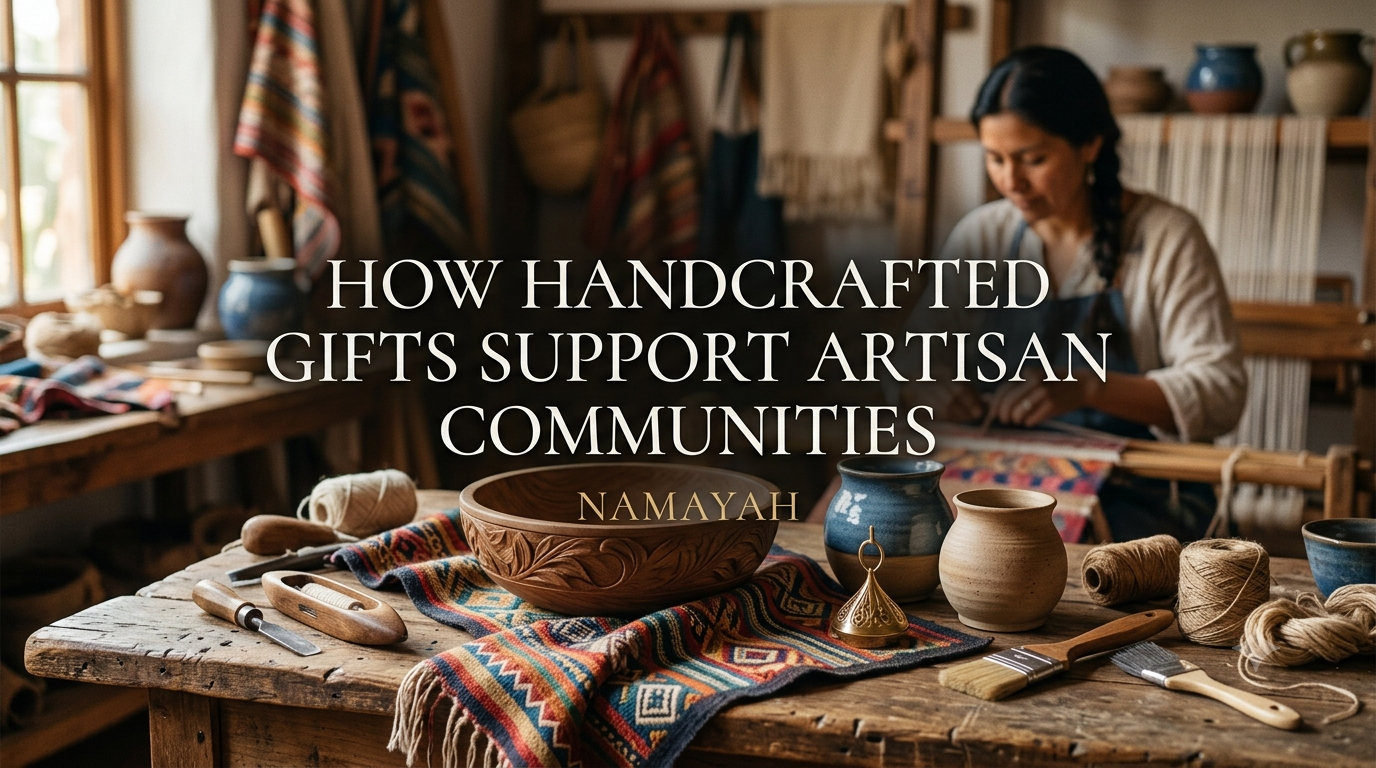
Handcrafted gifts offer more than beauty and uniqueness—they create meaningful opportunities for artisan communities around the world. Every handcrafted product represents hours of skilled work, cultural traditions passed down through generations, and the dedication of individuals who rely on their craft for a living.
Choosing handmade gifts is not simply a purchasing decision. It is a way to support small-scale makers, encourage sustainable production, and help preserve traditional craftsmanship that might otherwise disappear.
Whether you’re buying pottery, woven textiles, jewelry, wood carvings, ceramics, or hand-painted décor, your purchase can have a lasting positive impact.
What Makes a Gift Handcrafted?
A handcrafted gift is created primarily by skilled artisans using traditional techniques and manual craftsmanship rather than automated mass production.
These products often feature:
- Individual attention to detail
- Natural or locally sourced materials
- Traditional crafting methods
- Unique designs
- Small-batch production
Because each item is individually made, no two pieces are exactly alike, making handcrafted gifts especially meaningful.
Why Artisan Communities Matter
Artisan communities preserve centuries of knowledge and craftsmanship. Their skills represent local identity, history, and cultural expression.
Many artisans work in rural or underserved regions where employment opportunities may be limited. Selling handcrafted products allows families to earn an income while continuing traditions that define their communities.
Supporting these communities helps:
- Preserve traditional arts
- Encourage entrepreneurship
- Promote cultural diversity
- Strengthen local economies
- Inspire future generations to learn traditional crafts
Without consumer demand, many traditional crafts risk fading away.
Economic Benefits of Buying Handmade
Purchasing handcrafted gifts directly supports the people who create them.
Creates Sustainable Income
Every purchase contributes to artisans’ earnings, helping them pay for essentials such as:
- Food
- Education
- Healthcare
- Housing
- Business tools
Unlike mass manufacturing, handmade production often channels more of the purchase price toward the maker.
Supports Small Businesses
Many artisans operate independent workshops or family-run businesses. Buying handmade helps these enterprises grow, invest in better equipment, and hire additional craftspeople.
Encourages Local Economies
When artisans earn more income, they often spend it within their communities, supporting local suppliers, markets, transportation providers, and service businesses. This creates a positive economic ripple effect.
Preserving Cultural Heritage
Traditional craftsmanship tells stories that cannot be replicated by machines.
Many handcrafted gifts incorporate:
- Indigenous weaving patterns
- Regional embroidery
- Traditional pottery techniques
- Folk art designs
- Historical carving methods
Buying authentic handcrafted products helps ensure these cultural traditions continue to thrive.
You are not simply purchasing an object—you are helping preserve living heritage.
Environmental Benefits of Handcrafted Gifts
Handcrafted products are often associated with more sustainable production practices.
Lower Energy Consumption
Many handmade goods require less industrial machinery and consume less energy during production.
Reduced Waste
Artisans frequently produce items in small batches, helping minimize overproduction and excess inventory.
Natural Materials
Many handmade products incorporate:
- Cotton
- Wool
- Bamboo
- Clay
- Wood
- Natural fibers
- Recycled materials
These materials can reduce reliance on synthetic alternatives, depending on how they are sourced.
Longer Product Lifespan
Well-crafted handmade products are often valued for their durability and timeless design, encouraging long-term use rather than frequent replacement.
Encouraging Ethical Consumerism
Modern consumers increasingly want purchases that align with their values.
Handcrafted gifts support ethical shopping by encouraging buyers to consider:
- Who made the product
- How it was produced
- Whether makers receive fair compensation
- Environmental impact
- Cultural authenticity
While not every handmade item is automatically produced under fair-trade or ethical conditions, buying from transparent sellers and reputable artisan organizations can help consumers make more informed choices.
Building Stronger Communities
The benefits of handcrafted products extend beyond individual artisans.
Growing demand for handmade goods can help communities by:
- Creating employment opportunities
- Supporting women-owned businesses
- Encouraging youth participation in traditional crafts
- Strengthening community pride
- Supporting local tourism
In many regions, artisan cooperatives also invest in community development projects such as education, healthcare, and skills training.
The Personal Value of Handcrafted Gifts
Handcrafted gifts often carry emotional significance that factory-made products may not.
Recipients appreciate:
- Original designs
- Visible craftsmanship
- Personal stories
- Cultural meaning
- Thoughtful purchasing decisions
Because every piece is unique, handcrafted gifts often become treasured keepsakes rather than disposable items.
How to Choose Authentic Handcrafted Gifts
Finding genuine handcrafted products requires careful consideration.
Look for sellers who:
- Share information about the artisan
- Describe production methods
- Use clear product photography
- Explain material sourcing
- Offer transparency about where items are made
Reading product descriptions carefully and purchasing from trusted artisan marketplaces, local craft fairs, museums, or verified small businesses can also help you make informed choices.
The Future of Artisan Communities
Digital marketplaces and social media have expanded opportunities for artisans to reach customers worldwide.
Online platforms allow craftspeople to:
- Showcase traditional techniques
- Connect directly with buyers
- Build sustainable businesses
- Share the stories behind their work
As consumer interest in sustainable and meaningful products grows, artisan communities may find new opportunities to preserve their crafts while adapting to changing markets.
Continued support from thoughtful buyers can contribute to the long-term resilience of these communities.
Frequently Asked Questions
Why are handcrafted gifts important?
Handcrafted gifts support skilled artisans, preserve traditional craftsmanship, and often provide unique products with cultural and personal significance.
How do handcrafted gifts help local economies?
Purchasing handmade products generates income for artisans and can create positive economic effects within local communities through spending, employment, and small business growth.
Are handcrafted products more sustainable?
They can be, particularly when made in small batches with responsibly sourced or recycled materials. Sustainability depends on the materials, production methods, and supply chain.
Why are handmade gifts usually more expensive?
Handmade products often require significant time, skill, and manual labor. Pricing may also reflect higher-quality materials and small-scale production.
How can I verify a product is handcrafted?
Look for detailed information about the maker, production process, materials, and business practices. Reputable sellers are usually transparent about these details.
Do handcrafted gifts preserve cultural traditions?
Yes. Many artisans use techniques and designs that have been passed down through generations, helping keep traditional crafts alive.
Conclusion
Handcrafted gifts represent far more than attractive products. They embody creativity, heritage, and the livelihoods of skilled artisans whose work enriches communities around the world. By choosing handmade items, consumers can contribute to local economies, encourage responsible production, and help preserve traditional craftsmanship for future generations.
Every thoughtful purchase has the potential to support individuals, celebrate cultural diversity, and promote a more sustainable approach to gift giving.