
How Copper Accessories Add Warmth to Contemporary Interiors
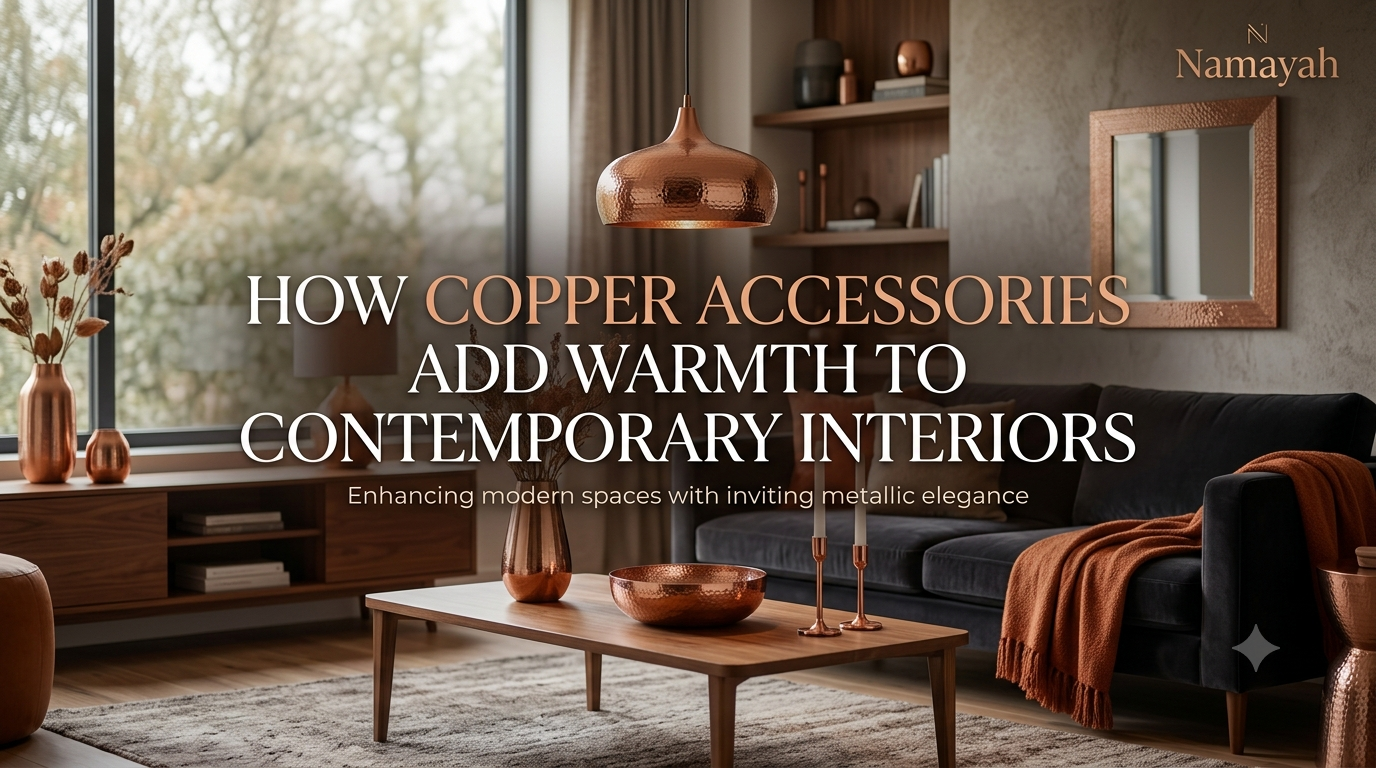
Contemporary interiors are often defined by clean lines, neutral colors, open spaces, and carefully selected furnishings. While this approach creates an elegant and uncluttered environment, an overly cool palette can sometimes feel stark. Copper accessories offer an effective way to introduce warmth, texture, and visual character without compromising a modern aesthetic.
From pendant lights and vases to trays, mirrors, and small decorative objects, copper can become a refined accent throughout the home. Its warm metallic surface catches and reflects light, creating subtle variation that can make minimalist rooms feel more inviting.
Why Contemporary Interiors Can Benefit From Warm Metallics
Modern interiors frequently rely on materials such as glass, concrete, steel, polished stone, and painted surfaces. These materials can create a sophisticated appearance, but many have naturally cool visual qualities.
Copper provides contrast.
Its warm reddish-orange undertones can soften monochromatic rooms while adding a sense of depth. Rather than changing the entire design scheme, a few carefully chosen copper pieces can act as visual punctuation.
This makes copper particularly useful in contemporary spaces where the goal is to balance minimalism with comfort.
The key is restraint. Copper does not need to dominate the room. In many cases, a single statement light or a small collection of coordinated accessories is enough.
What Makes Copper Different From Other Metals?
Copper has a distinctive appearance that separates it from cooler metals such as chrome, stainless steel, and brushed nickel.
While silver-toned metals tend to create a crisp, industrial effect, copper introduces a warmer visual temperature. It can also develop a changing surface appearance over time, depending on its finish and environment.
Compared with brass, copper generally has a more reddish and earthy character. This makes it useful when a room needs warmth without relying exclusively on wood, fabric, or warm paint colors.
Copper can therefore serve two purposes:
- A decorative accent that draws attention to selected areas.
- A material contrast that breaks up smooth or neutral surfaces.
How Copper Adds Warmth and Depth
The biggest advantage of copper accessories is their ability to interact with light.
A copper surface can reflect natural daylight from windows or artificial light from lamps and pendant fixtures. This can create highlights that change throughout the day.
In a neutral contemporary room, for example, a copper vase placed on a console can provide a warm focal point without introducing another strong color.
Copper can also add depth through contrast. Consider a room featuring:
- Soft beige walls
- A charcoal sofa
- Pale wood flooring
- Cream textiles
- Black architectural details
Adding a few copper accents creates another visual layer. The copper connects the warmer wood and textile elements while contrasting with darker finishes.
The result can feel more layered without becoming visually busy.
Best Copper Accessories for Modern Homes
Copper works particularly well when introduced through objects that combine function and decoration.
Copper Lighting
Lighting is one of the most effective ways to incorporate copper into a contemporary interior.
A copper pendant above a dining table or kitchen island can become a natural focal point. Smaller copper table lamps can provide a subtler effect in bedrooms, living rooms, or home offices.
Because lighting already interacts with illumination, copper shades can be especially effective at emphasizing the material’s warm character.
For a minimalist interior, consider choosing a simple geometric fixture rather than an overly ornate design.
Copper Vases and Decorative Objects
Small accessories provide one of the easiest ways to experiment with copper.
A copper vase, bowl, candle holder, sculpture, or tray can introduce warmth without requiring a major design change.
Instead of placing many copper objects throughout the room, group two or three pieces within one visual zone. A copper vase on a shelf, for example, can be paired with books, ceramics, or natural greenery.
This creates variation while maintaining a restrained contemporary appearance.
Copper Kitchen Accessories
The kitchen is another natural setting for copper.
Copper cookware, containers, utensils, serving pieces, and small countertop accessories can introduce warmth into kitchens dominated by white, gray, black, or stainless-steel finishes.
Copper can work particularly well alongside:
- White cabinetry
- Dark stone countertops
- Natural wood
- Matte black hardware
- Neutral ceramic tiles
Rather than displaying every copper item available, select a few pieces that contribute to the overall composition.
Copper Mirrors and Wall Accents
Copper-framed mirrors can add both functionality and warmth.
A round copper-framed mirror can soften a room dominated by straight architectural lines, while a rectangular frame can reinforce a more structured contemporary aesthetic.
Copper wall décor can also be useful in entryways, dining rooms, and living spaces where a metallic accent can draw attention without requiring a large artwork installation.
How to Style Copper Without Overdoing It
The most common mistake with copper is using too much of it.
Copper is visually distinctive, so a small amount can have a significant effect. Instead of filling a room with matching copper objects, establish one or two focal areas.
A useful approach is the three-point principle: repeat the copper accent in approximately three locations within the broader space.
For example:
- A copper pendant above the dining table
- A small copper vase on a nearby console
- A copper detail incorporated into shelving or décor
The repetition creates cohesion without making the room feel themed.
You can also vary the size of the accents. A larger copper fixture can be balanced with two smaller decorative objects elsewhere.
Copper With Neutral Color Palettes
Copper is particularly versatile with neutral colors.
White
White creates a clean backdrop that allows copper to become a noticeable accent. The combination feels bright, contemporary, and warm.
Beige and Cream
Warm neutrals create a softer relationship with copper. This combination works well in relaxed living rooms and bedrooms.
Gray
Gray and copper offer strong temperature contrast. Cool gray can make copper appear richer and more prominent.
Black
Black provides a dramatic background for copper. The combination can produce a sophisticated contemporary look when used carefully.
Green
Muted green, olive, and natural plant tones can complement copper’s earthy qualities. Adding plants can also prevent metallic accessories from feeling too polished or sterile.
Copper With Wood, Stone, and Textiles
Copper becomes even more effective when paired with contrasting textures.
Wood introduces natural warmth and prevents the metal from feeling too hard.
Stone creates an appealing combination of organic texture and metallic reflection. Copper accessories can work particularly well with marble, limestone, or other stone-inspired finishes.
Textiles such as linen, wool, cotton, and velvet soften the reflective quality of metal.
This combination of hard and soft materials is central to creating a comfortable contemporary interior.
For example, a copper side table beside a textured fabric sofa can create a more balanced composition than using several reflective materials together.
Contemporary Interior Styles That Suit Copper
Copper can adapt to several modern design approaches.
Minimalist Interiors
In minimalist spaces, use copper sparingly. One sculptural object or carefully selected light fixture can provide enough warmth.
Industrial Interiors
Copper naturally complements exposed brick, concrete, black metal, and reclaimed wood. Its warm surface can soften the harder qualities of industrial materials.
Scandinavian-Inspired Interiors
Light woods, neutral colors, and simple forms create an understated setting for copper. Small copper accessories can add warmth without disrupting the clean aesthetic.
Modern Rustic Interiors
Copper works well alongside natural timber, stone, woven materials, and handcrafted décor. Here, its earthy qualities can reinforce the relationship with natural materials.
Contemporary Luxury
A small number of polished or sophisticated copper accents can add richness to spaces featuring marble, dark cabinetry, glass, and premium textiles.
Common Mistakes to Avoid
Using Too Many Matching Accessories
A room filled with identical copper objects can quickly look repetitive. Mix copper with other materials rather than making every accessory metallic.
Ignoring the Finish
Polished, brushed, hammered, aged, and patinated copper can create very different effects. Choose a finish that supports the existing interior.
Mixing Too Many Metallics Without a Plan
Copper can coexist with brass, bronze, chrome, or black metal, but the combination should feel intentional. If several metals compete for attention, the room can lose visual focus.
Choosing Style Over Proportion
A beautiful copper accessory can still look out of place if it is too large or too small for its surroundings. Consider scale before purchasing.
Forgetting the Rest of the Room
Copper should connect with the wider palette. Repeat its warmth through wood, textiles, artwork, or other subtle details rather than leaving it as an isolated element.
How to Maintain Copper Accessories
Copper requires appropriate care because its surface can change over time.
Maintenance depends on the object’s finish and the manufacturer’s recommendations. Some people prefer the natural development of a patina, while others prefer to maintain a brighter metallic appearance.
For decorative copper accessories:
- Follow the care instructions supplied with the item.
- Avoid abrasive cleaning materials unless specifically recommended.
- Keep surfaces free from dust and residue.
- Test cleaning products on an inconspicuous area when appropriate.
- Handle finished or polished pieces carefully to minimize unwanted marks.
For functional items such as cookware, always follow the manufacturer’s care guidance rather than applying a general cleaning method.
FAQs About Copper Accessories in Contemporary Interiors
Are copper accessories suitable for modern interiors?
Yes. Copper can complement contemporary interiors particularly well because its warm metallic color contrasts with cool neutrals, glass, stone, concrete, and other modern materials.
What colors go best with copper décor?
Copper can work with white, cream, beige, gray, black, green, and many natural wood tones. The best combination depends on the copper finish and the overall color palette.
How much copper should you use in a room?
There is no fixed amount, but restraint generally works well. One statement piece supported by a few smaller accents can create cohesion without overwhelming the space.
Can copper be mixed with other metals?
Yes. Copper can be combined with other metals when the finishes, proportions, and placement are coordinated. Black metal and muted brass can be especially useful complementary accents.
Does copper work in a minimalist home?
Yes. Minimalist rooms can benefit from copper because a single carefully selected object can add warmth without introducing visual clutter.
Is copper better than brass for contemporary interiors?
Neither is universally better. Copper has stronger reddish and earthy undertones, while brass tends to provide a more golden appearance. Choose based on the mood and existing finishes in the room.
Can copper accessories make a room feel warmer?
Visually, yes. Copper’s warm color and reflective surface can make a space feel more inviting, particularly when combined with warm lighting, wood, and soft textiles.
Where should I place copper accessories?
Good locations include dining areas, kitchen counters, shelving, consoles, coffee tables, bedside tables, and entryways. Larger copper pieces can serve as focal points, while smaller objects can provide subtle repetition.
Conclusion
Copper accessories offer a simple way to bring warmth and personality to contemporary interiors. Their distinctive reddish metallic character provides contrast against neutral colors and modern materials while their reflective surfaces interact naturally with light.
The strongest results usually come from intentional placement rather than excessive decoration. A copper pendant, vase, mirror, tray, or decorative object can become a meaningful accent when it relates to the room’s colors, textures, and proportions.
Whether the interior is minimalist, industrial, Scandinavian-inspired, modern rustic, or contemporary luxury, copper can add another layer of warmth while preserving a clean and sophisticated aesthetic.