
Why Every Gourmet Kitchen Needs Handmade Wooden Tools
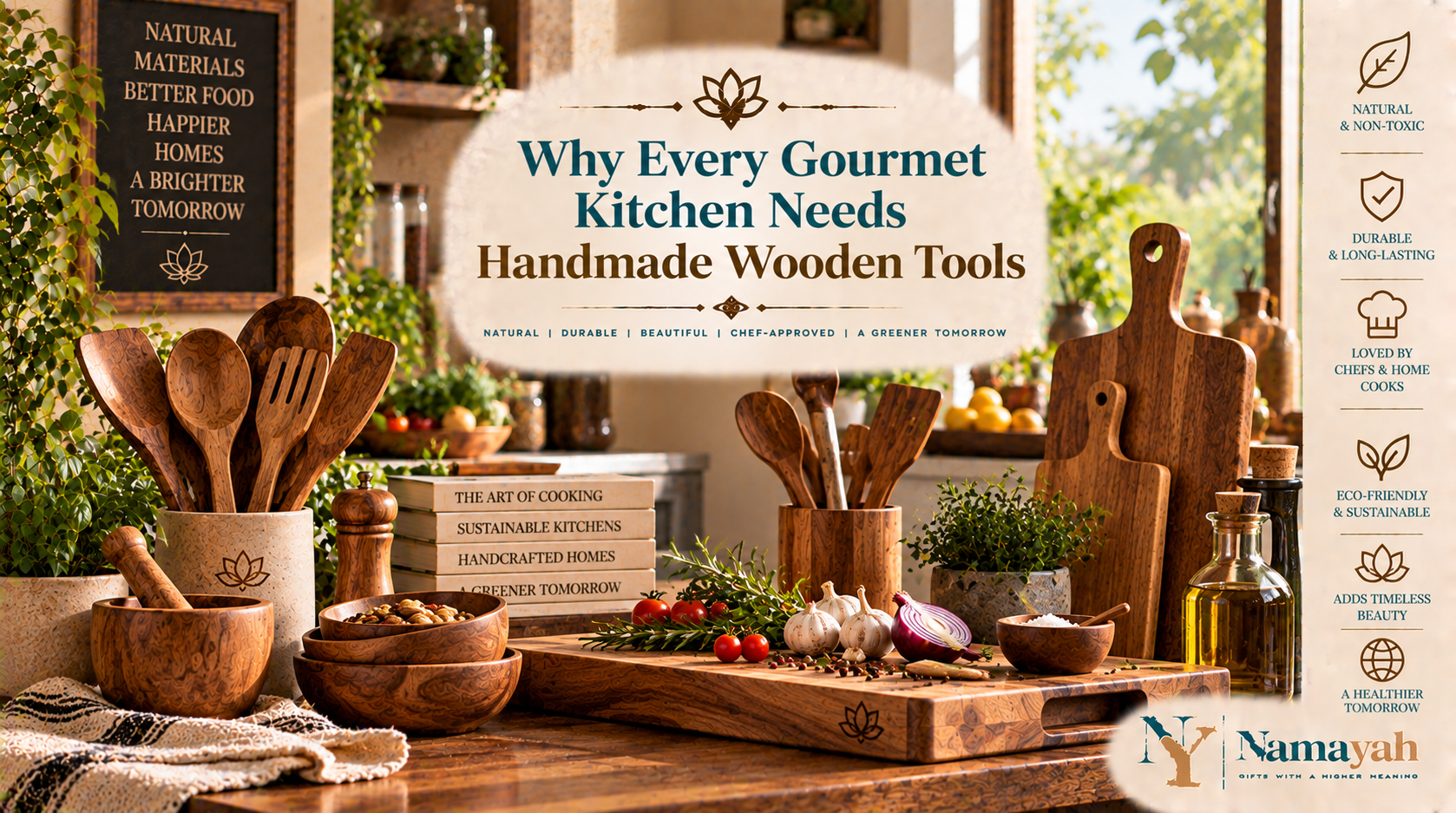
Elevating Your Culinary Craft with Handmade Wooden Kitchen Tools
For the discerning home chef, the secret to a superior culinary experience often lies in the quality of the implements used during food preparation.
While modern industrial manufacturing has flooded the market with synthetic gadgets, the enduring appeal of handmade wooden kitchen tools remains unmatched.
These pieces offer more than just utility; they bring a touch of organic warmth and artisanal heritage into your cooking space.
Whether you are a professional or a passionate amateur, integrating natural materials into your kitchen routine can fundamentally change the way you interact with your ingredients.
At Namayah, we believe that the tools you handle daily should reflect a commitment to quality and sustainable luxury.
By choosing items that have been crafted with intention, you are not merely buying a utensil; you are investing in a piece of functional art.
Understanding why these tools are essential requires a look at their physical benefits, their environmental impact, and the aesthetic depth they provide to a modern kitchen environment.
Related: corporate gifts for professional milestones
The Technical Superiority of Natural Materials
One of the primary reasons to switch to high-quality wooden gear is its unique interaction with cookware.
Unlike metal spoons or spatulas that can scratch delicate non-stick surfaces or conduct heat rapidly, wood is naturally gentle.
Using artisanal wooden spoons ensures that your pans remain in pristine condition for years, protecting your investment.
Furthermore, wood is a non-reactive material.
When you are stirring acidic sauces or slow-simmering delicate emulsions, wooden tools do not leach metallic tastes into your food, preserving the true integrity of your recipe’s flavor profile.
Why Wood Outperforms Synthetic Alternatives
When we look at the structural benefits of wood, it is essential to consider the density and porosity of the material.
Hardwoods, when properly cured, resist moisture and bacteria far better than cheap plastic alternatives, which can melt or warp under high heat.
According to the USDA Food Safety and Inspection Service, maintaining clean kitchen tools is paramount, and wood’s natural antimicrobial properties, especially in varieties like neem, provide a safer surface for food preparation when maintained correctly.
This makes premium wooden utensils a hygienic choice for the modern gourmet kitchen.
The Unique Appeal of Neem Wood Kitchenware
Among the various types of wood utilized in fine kitchenware, neem wood stands in a league of its own.
Renowned for its durability and natural resistance to pests and microbial growth, neem wood kitchenware is a staple in traditional Indian craftsmanship.
Its dense grain structure allows it to withstand the rigors of daily kitchen use without splintering or absorbing excessive moisture.
Beyond its physical durability, neem is culturally significant.
Incorporating such materials connects your daily rituals to centuries of artisan practice.
When you use these items, you are participating in a legacy of sustainable living that prioritizes longevity over the disposable nature of modern consumer culture.
For those interested in the deeper story behind these materials, our About Us page highlights how we honor these traditions.
Aesthetics and Hand-Carved Wooden Bowls
Beyond function, the visual impact of a well-appointed kitchen cannot be overstated.
A set of hand-carved wooden bowls serves as both a centerpiece for your dining table and a versatile vessel for serving salads, grains, or artisanal breads.
The human touch visible in the grain patterns and the unique shaping of each piece ensures that no two items are exactly identical.
This organic variation adds a layer of character that mass-produced plastic or glass simply cannot replicate.
When you display these pieces, you transform your kitchen from a sterile workspace into a curated gallery of culinary excellence.
The tactile sensation of holding a piece of wood that has been sanded to a smooth, matte finish is a grounding experience that connects the cook to the earth.
It is this sensory engagement that turns the act of cooking from a chore into a meditative, creative process.
Sustainability and Ethical Consumption
In an era of rapid consumption, choosing handmade wooden kitchen tools is a radical act of sustainability.
Wood is a renewable resource, and when artisans source their materials responsibly, the environmental footprint is significantly lower than that of plastic-based products.
By supporting local craftsmanship, you contribute to a circular economy that values the artisan’s time and skill.
According to the World Wildlife Fund, sustainable forestry practices are essential for maintaining global biodiversity, and choosing products from companies that emphasize ethical sourcing is a small but powerful step toward ecological responsibility.
Longevity as a Sustainability Goal
True luxury is defined by longevity.
When you invest in premium wooden utensils, you are opting out of the cycle of replacing worn-out tools every few months.
With proper care—such as regular oiling with food-safe mineral oil—your wooden tools can last for decades, becoming family heirlooms that hold stories of countless meals prepared for loved ones.
This philosophy of ‘buy once, buy well’ is the cornerstone of a sustainable luxury lifestyle.
Proper Maintenance for Lasting Beauty
To ensure your kitchen tools retain their luster, a simple maintenance routine is required.
Avoid soaking your wooden items in water, as this can cause the fibers to expand and eventually crack.
Instead, rinse them immediately after use and dry them thoroughly with a soft cloth.
Regularly applying a coat of food-grade oil will keep the wood hydrated and prevent it from drying out, ensuring that the rich colors of the grain remain vibrant.
For those who also maintain other metallic elements in their kitchen, similar care is required to prevent oxidation.
Just as you would learn about preventing tarnishing on brass and copper, taking proactive steps to oil and clean your wooden tools will pay dividends in their appearance and performance.
Treating these items as living components of your kitchen ensures they age gracefully alongside your home.
Conclusion: The Timeless Choice
Handmade wooden kitchen tools offer a rare intersection of utility, beauty, and ethics.
By integrating artisanal wooden spoons, neem wood kitchenware, and hand-carved wooden bowls into your routine, you elevate the everyday act of cooking into a meaningful ritual.
These tools do not just perform a function; they remind us of the importance of slowing down, appreciating the materials we use, and honoring the craftspeople who dedicate their lives to perfecting their trade.
As you build your collection, remember that every piece you add is a testament to your taste and your commitment to a more thoughtful, luxurious way of living.
53