
Handmade Wooden Bowls: Beauty Meets Functionality
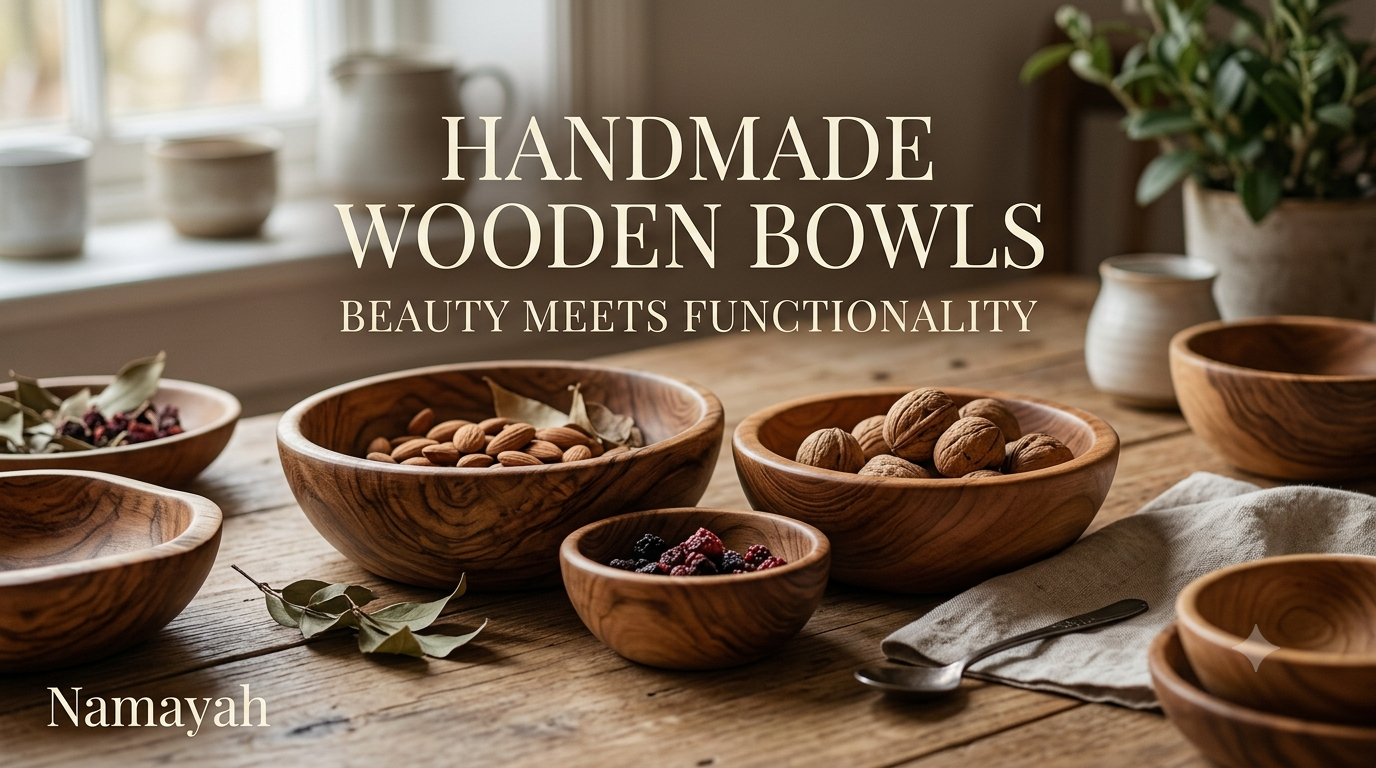
Few household items combine artistry and practicality as beautifully as handmade wooden bowls. Crafted by skilled artisans, these bowls are more than simple kitchen accessories—they are timeless pieces that showcase the natural beauty of wood while serving countless everyday purposes.
Unlike factory-made alternatives, every handcrafted bowl tells its own story. Variations in grain, color, and texture make each piece one of a kind, bringing warmth and authenticity into your home. Whether used for serving salads, displaying fresh fruit, organizing household items, or simply decorating a table, handmade wooden bowls blend elegance with functionality.
As consumers increasingly appreciate sustainable, long-lasting products, handcrafted wooden bowls continue to grow in popularity. Their durability, eco-friendly appeal, and unique craftsmanship make them a worthwhile investment for both everyday use and special occasions.
What Are Handmade Wooden Bowls?
Handmade wooden bowls are individually crafted from solid pieces of wood rather than mass-produced using automated manufacturing processes. Skilled woodworkers carefully shape, sand, and finish each bowl to highlight the wood’s natural character while ensuring durability and usability.
Depending on the artisan’s techniques, bowls may be carved by hand, turned on a lathe, or created using a combination of traditional woodworking methods. The result is a functional work of art that reflects hours of craftsmanship and attention to detail.
These bowls are commonly made from hardwoods such as maple, walnut, cherry, oak, olive wood, and acacia. Each wood species offers distinctive colors, grain patterns, and characteristics, allowing buyers to choose a style that matches their personal taste and home décor.
Why Handmade Bowls Stand Out
Mass-produced bowls often prioritize speed and uniformity, while handmade bowls emphasize quality and individuality.
Every handcrafted bowl features subtle differences that make it unique. Natural wood grain patterns, knots, and color variations cannot be replicated, giving each bowl its own personality.
Beyond aesthetics, artisans typically spend significant time refining every detail. From carefully selecting quality wood to applying food-safe finishes, craftsmanship plays a central role in creating bowls designed to last for years.
Many handmade bowls are also produced in small workshops using responsibly sourced materials, making them an appealing option for buyers seeking environmentally conscious products.
Benefits of Handmade Wooden Bowls
- Unique natural appearance
- Durable solid wood construction
- Timeless decorative appeal
- Functional for everyday use
- Environmentally friendly when responsibly sourced
- Excellent gift choice
- Supports skilled artisans and traditional craftsmanship
These qualities help explain why handmade wooden bowls remain popular despite the availability of inexpensive factory-made alternatives.
Beauty in Natural Wood Grain
One of the greatest attractions of handmade wooden bowls is the beauty found in natural wood itself.
Unlike synthetic materials, wood offers endless variation. Each tree develops unique grain patterns over decades of growth, meaning no two bowls will ever look exactly alike.
Some bowls feature dramatic swirling grain, while others display straight, elegant lines or striking color contrasts. Depending on the wood species, tones may range from creamy blonde to rich chocolate brown or deep reddish hues.
This natural diversity allows wooden bowls to complement nearly every interior design style, including:
- Modern minimalist
- Rustic farmhouse
- Scandinavian
- Traditional
- Contemporary
- Coastal
- Cottage-style interiors
Because they incorporate organic textures, wooden bowls often add warmth and visual interest to spaces that feature stone, glass, or metal surfaces.
Everyday Functionality
Although beautiful enough to display as decorative pieces, handmade wooden bowls are designed for practical daily use.
Common household uses include:
- Serving fresh salads
- Holding fruit on kitchen counters
- Displaying bread or pastries
- Organizing keys and wallets near entryways
- Holding decorative ornaments
- Presenting snacks during gatherings
- Creating attractive dining table centerpieces
Many families appreciate wooden bowls because they are lightweight, comfortable to handle, and resistant to breaking compared to ceramic or glass alternatives.
Their versatility means one handcrafted bowl can easily transition from kitchen use to home décor, making it one of the most practical handcrafted items you can own.
Popular Types of Wood for Handmade Bowls
The type of wood used greatly influences a bowl’s appearance, durability, weight, and maintenance requirements. While personal preference plays a role, understanding the characteristics of different hardwoods can help you make a more informed choice.
| Wood Type | Appearance | Strength | Best For |
|---|---|---|---|
| Maple | Light cream with fine grain | Excellent | Everyday kitchen use |
| Walnut | Rich dark brown | Excellent | Elegant serving bowls |
| Cherry | Warm reddish tones | Very Good | Decorative and serving bowls |
| Oak | Prominent grain | Excellent | Rustic home décor |
| Olive Wood | Dramatic swirling grain | Excellent | Premium serving pieces |
| Acacia | Golden to dark brown | Excellent | Everyday dining and décor |
Maple
Maple is one of the most popular choices because of its smooth texture, subtle grain, and exceptional durability. Its light color complements both modern and traditional kitchens.
Walnut
Walnut is admired for its rich chocolate-brown tones and luxurious appearance. Handmade walnut bowls often become statement pieces on dining tables or kitchen islands.
Cherry
Cherry wood develops a deeper, richer color over time, giving each bowl even more character as it ages. This natural aging process is one reason many people appreciate handcrafted cherry pieces.
Olive Wood
Known for its striking grain patterns, olive wood creates visually stunning bowls. Every piece displays dramatic natural markings that make it truly one of a kind.
Acacia
Acacia combines beauty with toughness. Its attractive grain and resistance to everyday wear make it a favorite for serving bowls and decorative pieces.
How to Choose the Right Handmade Wooden Bowl
Selecting the perfect handmade wooden bowl depends on how you plan to use it.
Consider the Size
Think about its primary purpose.
- Small bowls work well for snacks, nuts, or jewelry.
- Medium bowls are ideal for fruit and side dishes.
- Large bowls are perfect for salads, bread, or decorative centerpieces.
Examine the Grain
Natural grain patterns are part of what makes every handcrafted bowl unique. Choose a pattern that matches your personal style rather than expecting complete uniformity.
Check the Finish
Quality handmade bowls are typically finished with food-safe oils or waxes that protect the wood while preserving its natural beauty.
Avoid bowls with thick synthetic coatings if you want to enjoy the authentic texture of natural wood.
Look for Quality Craftsmanship
Signs of excellent craftsmanship include:
- Smooth, even sanding
- Balanced shape
- Comfortable weight
- Stable base
- Consistent finish
- No visible cracks or weak joints
A well-crafted bowl should feel solid, comfortable, and carefully finished from rim to base.
Caring for Handmade Wooden Bowls
Proper care helps preserve both the appearance and longevity of your wooden bowl.
Fortunately, maintaining handcrafted wood is simple.
Wash by Hand
Always wash wooden bowls using mild soap and warm water.
Avoid soaking them for extended periods, as excessive moisture can cause the wood to expand or develop cracks over time.
Dry Immediately
After washing, dry the bowl with a soft towel instead of allowing it to air dry for long periods.
Removing excess moisture helps maintain the bowl’s shape and finish.
Oil Occasionally
Applying a food-safe mineral oil or specialized wood conditioner every few months helps prevent drying and keeps the wood looking vibrant.
Regular conditioning also enhances the natural grain and reduces the risk of cracking.
Avoid Extreme Temperatures
Do not place wooden bowls in:
- Dishwashers
- Microwaves
- Conventional ovens
- Freezers
Extreme heat or sudden temperature changes may damage natural wood fibers.
Store Properly
Keep bowls in a dry location away from prolonged direct sunlight.
Proper storage helps preserve both color and structural integrity.
Why Handmade Wooden Bowls Make Thoughtful Gifts
Handmade wooden bowls are popular gifts because they combine practicality with lasting sentimental value.
Suitable occasions include:
- Weddings
- Housewarming celebrations
- Anniversaries
- Mother’s Day
- Father’s Day
- Christmas
- Birthdays
- Retirement gifts
Unlike many mass-produced household items, handcrafted bowls often become treasured keepsakes that can be enjoyed for years.
Their timeless appeal also makes them suitable for recipients of all ages and design preferences.
Frequently Asked Questions
Are handmade wooden bowls food safe?
Many handmade wooden bowls are finished with food-safe oils or waxes designed for serving dry foods, fruits, bread, and salads. Always follow the maker’s care and usage recommendations.
Can wooden bowls hold hot food?
Warm foods are generally suitable, but extremely hot foods or prolonged exposure to high heat may affect the wood over time.
How long do handmade wooden bowls last?
With proper care and regular maintenance, a quality handmade wooden bowl can remain beautiful and functional for many years.
Why is every wooden bowl different?
Wood is a natural material with unique grain patterns, color variations, and textures. These natural differences make every handcrafted bowl one of a kind.
Can I wash a wooden bowl in the dishwasher?
No. Dishwashers expose wood to prolonged moisture and high heat, which may cause cracking, warping, or damage to the finish.
Are handmade wooden bowls environmentally friendly?
When crafted from responsibly sourced wood and maintained for long-term use, handmade wooden bowls can be a durable and sustainable alternative to many disposable or short-lived household products.
Conclusion
Handmade wooden bowls beautifully demonstrate how craftsmanship and functionality can coexist in everyday living. Their unique grain patterns, natural warmth, and versatile uses make them far more than ordinary kitchen accessories. Whether displayed as elegant décor, used for serving meals, or given as meaningful gifts, these handcrafted pieces bring lasting character to any home.
Choosing a well-made wooden bowl is also an investment in quality. With thoughtful care, it can serve your household for years while retaining its natural beauty. By supporting skilled artisans and selecting durable materials, you not only enhance your home but also help preserve traditional woodworking techniques that continue to be valued across generations.