
Handmade Kitchen Accessories That Combine Beauty and Function
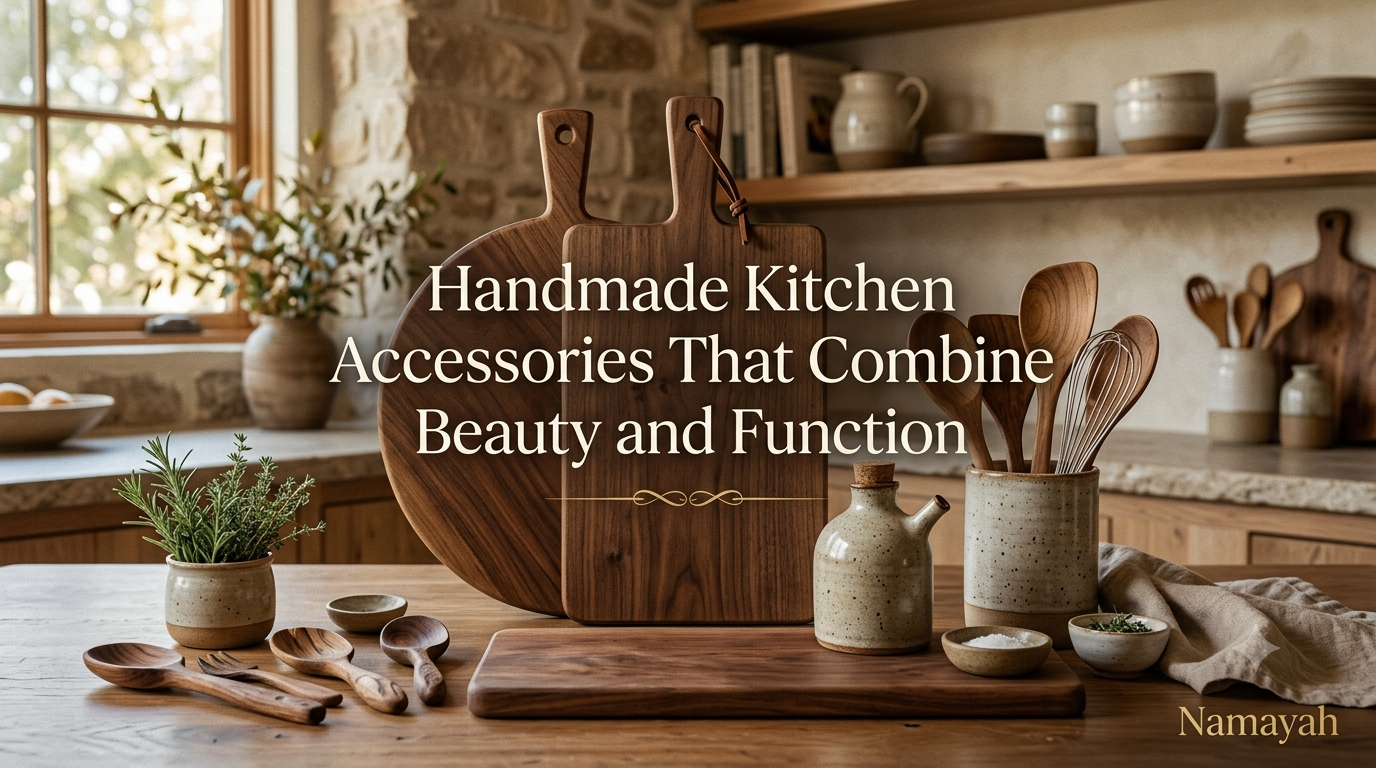
A kitchen works hardest when it feels effortless to use. The right accessories can keep cooking areas organized, make serving easier, protect surfaces, and add personality to the room. Handmade kitchen accessories take that idea a step further by combining everyday usefulness with distinctive materials, textures, colors, and craftsmanship.
From wooden cutting boards and serving trays to ceramic spoon rests, woven baskets, spice boxes, and textile table accessories, handmade pieces can turn ordinary kitchen tasks into more attractive experiences. Artisan collections also vary widely in material and style, making it possible to find pieces for rustic, modern, traditional, minimalist, or eclectic kitchens. Current handmade kitchen collections commonly include wood, ceramic, jute, bamboo, marble, stone, and textiles.
Why Choose Handmade Kitchen Accessories?
The biggest appeal of handmade kitchen accessories is their ability to serve a practical purpose without looking purely utilitarian.
A well-made accessory can perform a specific job while also contributing to the overall character of a kitchen. For example, a wooden serving board can be used for food preparation and then placed on a counter or dining table as part of the presentation. A woven basket can organize kitchen essentials while introducing texture to an open shelf.
Handmade products can also have natural variations. Wood grain, ceramic decoration, woven fibers, and hand-applied finishes may differ slightly from one item to another. Rather than being a flaw, this variation can be part of the appeal of artisan-made products. Some handcrafted collections specifically emphasize the individuality created by traditional techniques and hand finishing.
Wooden Accessories for Everyday Cooking
Wood remains a popular choice for handmade kitchen accessories because it brings a warm, natural appearance to the space while supporting many everyday kitchen tasks.
Useful wooden accessories include:
- Cooking spoons and spatulas
- Rolling pins
- Cutting boards
- Serving boards
- Trays
- Utensil holders
- Spice boxes
- Bowls
- Mortar and pestle sets
The best choice depends on how you use your kitchen. Someone who cooks frequently may prioritize sturdy utensils and preparation boards, while a host may prefer attractive serving trays and platters.
When shopping, look beyond appearance. Consider the item’s construction, surface finish, intended use, dimensions, and care instructions.
Handmade Cutting Boards and Serving Boards
A cutting board is one of the clearest examples of an accessory that can combine beauty and function.
A handmade wooden board can provide a useful preparation surface and then transition into serving duty for bread, fruit, cheese, snacks, or other foods. Some artisan collections also incorporate handles, decorative details, or distinctive wood patterns that allow the board to remain visually appealing when it is not being used.
Before purchasing one, consider:
- Size: Make sure it fits your available preparation area.
- Construction: Look for a stable, well-finished piece.
- Intended use: Check whether the manufacturer recommends it for cutting, serving, or both.
- Care: Follow the maker’s cleaning and maintenance instructions.
- Storage: Decide whether it will sit on a counter, hang on a wall, or remain inside a cabinet.
For food-contact products, always follow the manufacturer’s instructions regarding cleaning, finishes, and suitability for particular foods.
Artisan Utensils and Tool Holders
Kitchen tools are used frequently, so keeping them accessible can make cooking more convenient.
Handmade utensil holders can turn a collection of spoons, spatulas, whisks, or other tools into an organized countertop display. Instead of hiding everything in a drawer, a carefully chosen holder can make frequently used equipment easy to reach while contributing to the kitchen’s visual style.
Wooden holders are especially useful in kitchens with natural or rustic décor, while ceramic pieces can introduce color and pattern. Handmade ceramic collections, for example, include functional accessories such as spoon rests and utensil drainers that also act as decorative details.
Handmade Bowls, Trays, and Serveware
Serving pieces have an important dual role: they make food easier to serve while influencing how a meal looks.
Handmade bowls, platters, and trays can be used for everyday meals or entertaining. Their value does not have to come from elaborate decoration. Natural wood grain, subtle ceramic glazing, woven textures, or simple handcrafted shapes can provide enough visual interest.
For a coordinated look, choose serveware that shares at least one design characteristic, such as:
- Similar natural materials
- Complementary colors
- Consistent shapes
- Matching patterns
- Related finishes
You do not need every item to be identical. A small amount of variation can make a table setting feel more personal.
Spice Boxes and Kitchen Storage
Good kitchen design is not only about what is displayed. It is also about keeping frequently used items organized.
Handmade spice boxes, jars, containers, baskets, and organizers can make storage more attractive while keeping ingredients or supplies accessible. Artisan kitchen collections include options such as spice stands, marble jars, wooden storage pieces, and woven baskets.
For small kitchens, prioritize accessories that solve a specific storage problem. A compact spice organizer may be more useful than a large decorative container that takes up valuable counter space.
Open shelving also creates an opportunity to treat useful objects as part of the décor. Arrange attractive storage containers with bowls, boards, or plants to create a practical display rather than a crowded shelf.
Coasters, Trivets, and Table Accessories
Small accessories can have a surprisingly large visual impact.
Coasters protect tables from moisture and marks, while trivets can provide a barrier between hot cookware and suitable surfaces. Handmade versions can add pattern, texture, color, or natural materials to dining areas.
Other useful table accessories include:
- Placemats
- Table runners
- Napkin holders
- Serving spoons
- Bread baskets
- Decorative trays
- Tabletop organizers
Handmade textile collections, for example, can include coasters, table runners, placemats, cups, and trays, often incorporating regional craft techniques and materials.
Handmade Kitchen Textiles
Not every handmade kitchen accessory needs to be made from wood or ceramic.
Textiles can introduce softness and color to a kitchen while serving everyday purposes. Consider handmade:
- Tea towels
- Aprons
- Oven mitts
- Potholders
- Placemats
- Table runners
- Bread bags
- Storage baskets
These pieces are particularly useful when you want to update the appearance of a kitchen without replacing larger elements such as cabinets, countertops, or appliances.
For a cohesive result, select a small color palette and repeat it across several textile accessories rather than introducing many unrelated patterns.
Popular Materials for Handmade Kitchen Accessories
Different materials create different visual and functional qualities.
| Material | Common Uses | Visual Character |
|---|---|---|
| Wood | Boards, utensils, bowls, trays | Warm and natural |
| Ceramic | Spoon rests, jars, bowls, accessories | Colorful and decorative |
| Marble or stone | Jars, coasters, mortars, serving pieces | Solid and refined |
| Jute | Baskets, placemats, table accessories | Textured and rustic |
| Bamboo | Utensils, organizers, serving pieces | Light and natural |
| Cotton or linen | Towels, runners, placemats | Soft and versatile |
| Metal | Trays, containers, decorative accents | Modern or traditional |
Material should be selected according to both aesthetics and intended use. A decorative basket and a food-preparation board may both be handmade, but they have very different care and performance requirements.
How to Choose the Right Accessories
Before buying handmade kitchen accessories, start with the problem you want to solve.
If your countertop feels cluttered, look for organizers or holders. If your dining table feels plain, consider placemats, serving pieces, or a centerpiece. If your kitchen lacks warmth, natural wood or woven materials may help introduce texture.
Use these five questions as a simple buying checklist:
- What purpose will this item serve?
- Where will I store or display it?
- Is the material suitable for the intended use?
- How much maintenance does it require?
- Does it complement the rest of my kitchen?
Craftsmanship matters, too. Examine joins, edges, surfaces, handles, stitching, glazing, and other construction details appropriate to the product. A current handmade hardwood kitchen collection, for example, emphasizes wood selection, joinery, sanding, and finishing as important aspects of construction.
How to Style Handmade Accessories
You do not need a complete kitchen makeover to create a more inviting space.
Start with a few functional pieces that you already use regularly. Display a serving board against a backsplash, place frequently used wooden utensils in an attractive holder, or group matching storage containers on an open shelf.
Mix Materials Carefully
Combining wood, ceramic, stone, and textiles can create visual depth. The key is balance. If you already have several patterned pieces, choose simpler accessories for the remaining areas.
Use Functional Objects as Décor
A beautiful tray does not need to remain hidden in a cupboard. When appropriate, leave it accessible on a counter or shelf. The same approach can work with serving boards, bowls, baskets, and utensil holders.
Create a Focal Point
Choose one standout handmade item rather than filling every surface. A distinctive serving board, large bowl, or handcrafted storage piece can become a visual anchor.
Keep Countertops Practical
Beauty should not come at the expense of usable workspace. Display only the accessories that you use often or genuinely enjoy seeing.
Caring for Handmade Kitchen Accessories
Handmade products can require different care depending on their materials and finishes.
Wooden products may require specific cleaning and conditioning practices. Ceramic pieces can need careful handling to avoid chips or cracks. Textile accessories may have washing instructions that differ depending on the fabric and decoration.
Always follow the care guidance provided by the maker. Avoid assuming that every handmade product can be cleaned, soaked, heated, or placed in a dishwasher in the same way.
Proper care is especially important for items used around food. Check the manufacturer’s instructions for food-contact suitability, cleaning methods, and finish maintenance.
Are Handmade Kitchen Accessories Good Gifts?
Yes, handmade kitchen accessories can make thoughtful gifts because they can combine usefulness with a distinctive visual identity.
They can work well for:
- Housewarming gifts
- Wedding gifts
- Gifts for home cooks
- Host or hostess gifts
- Holiday gifts
- Birthday presents
- Gifts for food enthusiasts
A serving board, spice organizer, handcrafted bowl, textile set, or utensil collection can feel more personal than a generic kitchen item. Some artisan collections specifically position handmade kitchen pieces as gift options for hosts, cooks, and people moving into new homes.
The safest approach is to match the gift to the recipient’s lifestyle. A frequent cook may appreciate practical utensils, while an entertainer may prefer serveware.
FAQs About Handmade Kitchen Accessories
What are handmade kitchen accessories?
Handmade kitchen accessories are kitchen tools, organizers, serveware, textiles, and decorative-functional pieces made or finished using artisanal or craft-based processes. Examples include wooden boards, ceramic accessories, woven baskets, spice boxes, trays, and handmade table linens.
Why are handmade kitchen accessories popular?
They offer a combination of practical use and distinctive design. Handmade pieces can introduce natural materials, textures, patterns, and individual variations that help a kitchen feel more personal.
What are the best handmade accessories for a small kitchen?
Choose compact, multipurpose items such as utensil holders, cutting boards that can also serve, wall-mounted organizers, spice boxes, and stackable containers. The goal is to add function without consuming unnecessary workspace.
Which material is best for handmade kitchen accessories?
There is no single best material. Wood works well for many utensils and boards, ceramic can provide colorful decorative functionality, woven materials suit storage and textiles, and stone can work well for selected serving and preparation pieces. Always match the material to the intended use and care requirements.
How do you clean handmade wooden kitchen accessories?
Follow the manufacturer’s specific care instructions. Wooden kitchenware commonly requires gentler cleaning than some mass-produced kitchen items, and the appropriate maintenance can depend on the wood and finish.
Can handmade kitchen accessories be used every day?
Many are designed for everyday use, but suitability depends on the individual product. Check the maker’s instructions for food contact, washing, heat exposure, and other limitations before using an item regularly.
Are handmade kitchen accessories environmentally friendly?
Not automatically. Environmental impact depends on factors such as material sourcing, production methods, durability, packaging, transportation, and how long a product is used. If sustainability is important, look for specific information from the maker rather than assuming that “handmade” always means eco-friendly.
How can I make handmade accessories match my kitchen?
Choose a consistent palette, repeat one or two materials, and balance decorative pieces with simpler functional items. You can also select accessories that complement existing cabinet, countertop, hardware, or dining colors.
What handmade kitchen accessories make good housewarming gifts?
Useful options include serving boards, trays, bowls, spice organizers, utensil holders, placemats, coasters, and kitchen textile sets. Choose based on the recipient’s cooking habits and interior style.
Conclusion
Handmade kitchen accessories can combine beauty and function without requiring a major renovation. The right pieces can organize countertops, support everyday cooking, improve serving, protect surfaces, and introduce warmth or personality to the room.
Start with the accessories that solve real problems. Choose materials and designs that suit your kitchen, check care requirements carefully, and use a few distinctive handmade pieces as intentional design elements. Whether you prefer natural wood, colorful ceramics, woven textures, stone, or handcrafted textiles, functional accessories can become part of the kitchen’s character rather than simply occupying storage space.