
Handmade Copperware vs Machine-Made Alternatives
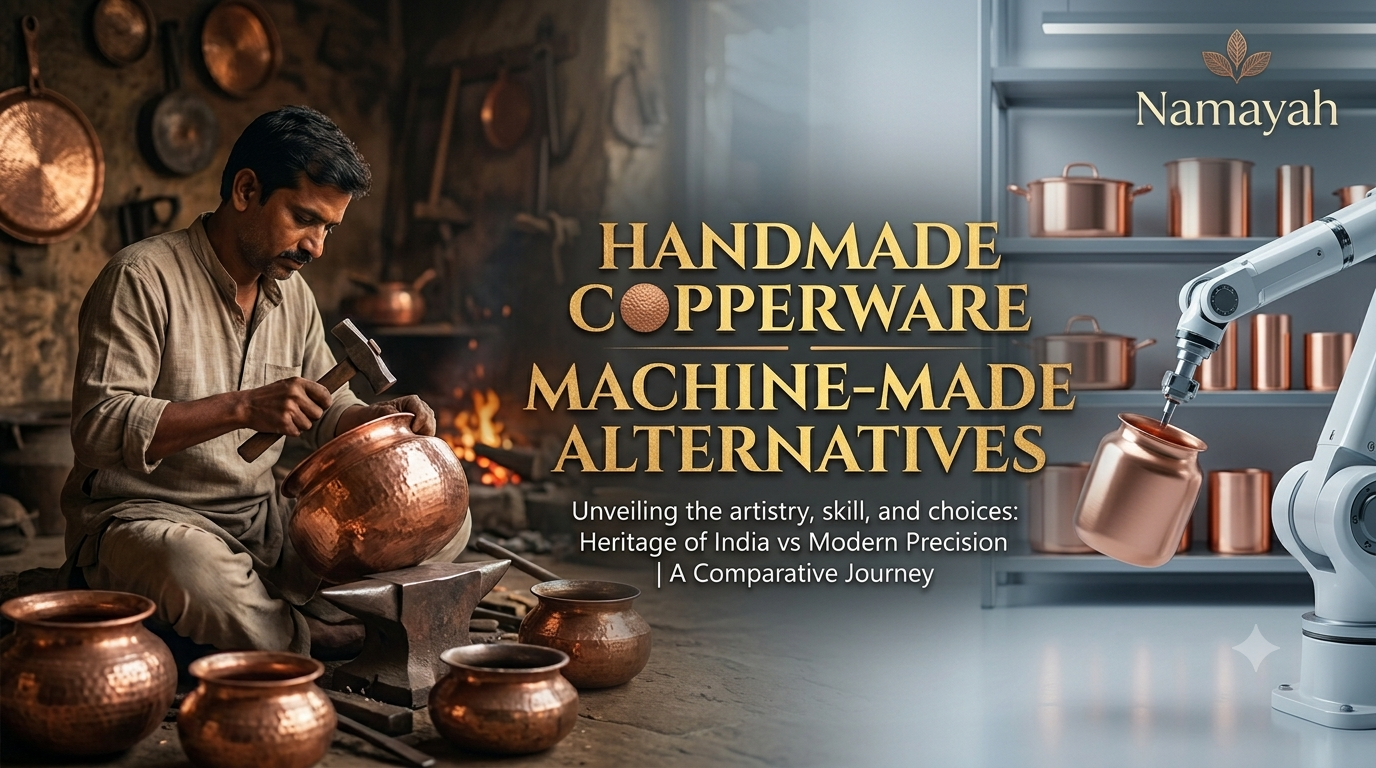
When choosing kitchenware, decorative items, or serving pieces, many buyers wonder whether Handmade Copperware vs Machine-Made Alternatives is simply a matter of price—or if craftsmanship truly makes a difference. The answer depends on your priorities. Handmade copper products often reflect generations of artisan skill, while machine-made options focus on consistency, affordability, and mass production.
In this guide, we’ll compare both options in detail so you can confidently choose the right copperware for your home.
What Is Handmade Copperware?
Handmade copperware is created by skilled artisans who shape, hammer, polish, and finish each piece individually. Many workshops continue to use centuries-old techniques that give every item a unique appearance.
Common handmade products include:
- Copper pots and pans
- Water bottles
- Serving trays
- Decorative bowls
- Mugs and cups
- Home décor
Traditional Craftsmanship
Artisans carefully hammer sheets of copper into shape, creating subtle textures that cannot be perfectly replicated by machines. Small variations are considered signs of authenticity rather than imperfections.
Materials Used
High-quality handmade copperware typically uses:
- Pure or high-grade copper
- Food-safe tin or stainless-steel lining (for cookware)
- Natural polishing methods
- Hand-finished edges and handles
What Are Machine-Made Copperware Products?
Machine-made copperware is manufactured using industrial equipment that stamps, presses, and forms copper into standardized products.
Large-scale production offers several benefits:
- Faster manufacturing
- Lower production costs
- Uniform sizing
- Consistent appearance
Machine-made products are widely available in retail stores and online marketplaces.
Handmade Copperware vs Machine-Made Alternatives: Key Differences
| Feature | Handmade Copperware | Machine-Made Alternatives |
|---|---|---|
| Craftsmanship | Individually crafted | Factory produced |
| Appearance | Unique hammer marks | Uniform finish |
| Price | Higher | Lower |
| Durability | Often longer-lasting | Depends on manufacturing quality |
| Character | One-of-a-kind | Standardized |
| Production | Slow | High volume |
| Sustainability | Supports artisans | Efficient mass production |
Craftsmanship
Handmade pieces showcase the experience and attention to detail of skilled craftspeople. Every curve, handle, and hammered surface reflects manual effort.
Machine-made products prioritize precision and speed, producing nearly identical items.
Durability
Well-made handmade copperware can last for decades with proper maintenance. Strong joints, thicker copper, and careful finishing often contribute to its longevity.
Machine-made products vary widely in quality depending on the manufacturer and materials used.
Appearance
One of the biggest attractions of handmade copperware is its distinctive look. Slight variations in texture and finish make every item unique.
Machine-made copperware offers a clean, consistent appearance that appeals to buyers seeking uniformity.
Heat Conductivity
Copper is naturally an excellent conductor of heat. Whether handmade or machine-made, copper provides fast and even heating. Performance differences depend more on copper thickness, construction quality, and any interior lining than on whether the product is handmade.
Sustainability
Buying handmade copperware often supports local artisans, preserves traditional skills, and encourages smaller-scale production.
Machine manufacturing can improve efficiency and reduce production costs but may rely on higher-volume industrial processes.
Benefits of Handmade Copperware
Many homeowners and collectors prefer handmade copperware because it offers:
- Exceptional craftsmanship
- Unique artistic value
- Long service life
- Timeless design
- Support for traditional artisans
- Potential heirloom quality
Handmade products also make memorable gifts because no two pieces are exactly alike.
Advantages of Machine-Made Alternatives
Machine-made copperware is ideal for buyers seeking affordability and convenience.
Its strengths include:
- Lower prices
- Easy availability
- Consistent dimensions
- Large product selection
- Faster replacement options
For everyday household use, these benefits may outweigh the appeal of handcrafted uniqueness.
Which Option Offers Better Value?
The answer depends on your priorities.
Choose handmade copperware if you value:
- Authentic craftsmanship
- Long-term durability
- Unique aesthetics
- Artisan traditions
- Decorative appeal
Choose machine-made alternatives if you value:
- Budget-friendly pricing
- Uniform appearance
- Readily available stock
- Practical everyday use
How to Identify Genuine Handmade Copperware
Look for these signs:
- Visible hammer marks
- Slight natural variations
- Hand-finished edges
- Quality craftsmanship
- Reputable artisan or manufacturer
- Clear information about materials and construction
Be cautious of products marketed as “handmade” without supporting details.
Care and Maintenance Tips
Proper care helps preserve copperware for years.
- Wash by hand with mild soap.
- Dry immediately to reduce water spots.
- Avoid harsh abrasives.
- Use copper polish when appropriate.
- Store in a dry location.
- Follow the manufacturer’s care instructions, especially for lined cookware.
Buying Guide
Before purchasing, consider:
- Intended use
- Copper purity
- Thickness
- Interior lining (for cookware)
- Budget
- Brand or artisan reputation
- Warranty or return policy
Reading verified customer reviews and purchasing from trusted retailers can help you make an informed decision.
For additional guidance on cookware materials and food safety, visit the U.S. Food and Drug Administration website at https://www.fda.gov.
Frequently Asked Questions
1. Is handmade copperware better than machine-made?
Handmade copperware often offers superior craftsmanship and uniqueness, while machine-made products provide affordability and consistency.
2. Does handmade copperware last longer?
High-quality handmade pieces can last for decades when properly maintained.
3. Why is handmade copperware more expensive?
The higher cost reflects skilled labor, time-intensive production, and artisanal craftsmanship.
4. Is machine-made copperware good for everyday use?
Yes. Many machine-made products perform well for daily use when made with quality materials.
5. How can I tell if copperware is handmade?
Look for subtle hammer marks, slight variations, hand-finished details, and transparent information about the production process.
6. Which option is better for gifting?
Handmade copperware is often preferred for gifts because of its distinctive appearance and artisan value.
Conclusion
The comparison between Handmade Copperware vs Machine-Made Alternatives comes down to balancing craftsmanship, budget, and intended use. Handmade copperware celebrates tradition, individuality, and lasting quality, making it ideal for those who appreciate artisanal work and timeless design. Machine-made alternatives, on the other hand, deliver consistency, affordability, and convenience for everyday buyers.
By understanding the strengths of each option, you can choose copperware that best fits your lifestyle, cooking habits, and aesthetic preferences. Whether you invest in a handcrafted heirloom or a reliable factory-made piece, selecting well-made copperware and caring for it properly will help ensure years of enjoyment.