
Elegant Gifts for Clients Who Appreciate Indian Culture
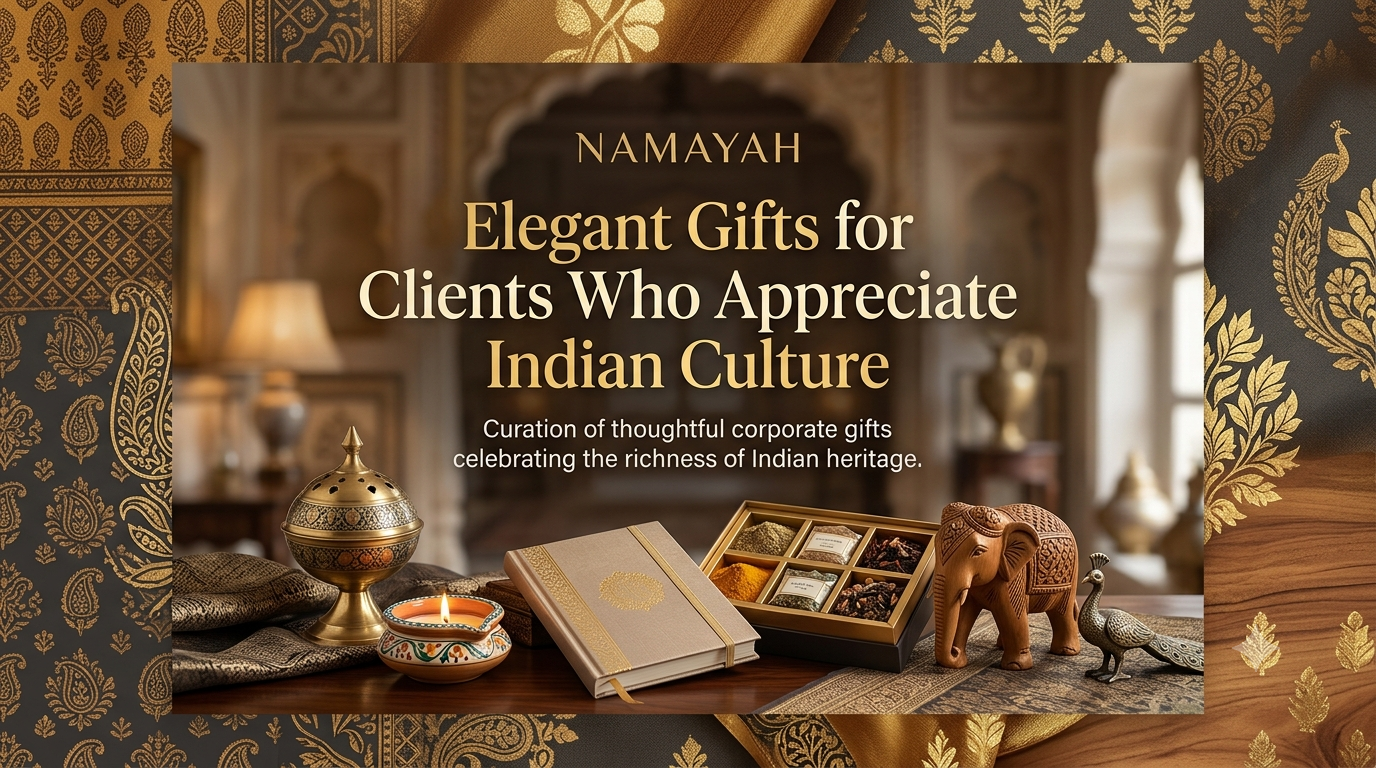
Choosing a client gift is about more than finding something expensive. The best gifts communicate thoughtfulness while fitting the recipient, the business relationship, and the occasion.
For clients who appreciate Indian culture, an artisan-made object, refined textile, regional craft, or carefully assembled gift box can offer a meaningful connection to India’s diverse creative traditions. India’s official Geographical Indications Registry, for example, recognizes products whose qualities, reputation, or characteristics are linked to a particular geographical origin. Its records include numerous Indian handicrafts and regional products.
The key is to choose something elegant rather than overly ornamental, culturally respectful rather than stereotypical, and useful or display-worthy rather than disposable.
What Makes an Indian-Inspired Client Gift Elegant?
An elegant cultural gift usually combines four qualities:
- Craftsmanship — It should demonstrate skill, material quality, or distinctive design.
- Cultural connection — It can tell a story about a region, craft tradition, material, or technique.
- Professional suitability — The item should work within a business relationship.
- Presentation — Thoughtful packaging can make even a relatively simple gift feel considered.
Authenticity can also add meaning. India’s GI system includes a wide range of regional handicrafts, such as Blue Pottery of Jaipur, Kutch Embroidery, Orissa Pattachitra, Bastar Wooden Craft, and Swamimalai Bronze Icons.
That does not mean every client gift needs a GI-certified product. Instead, these examples show how broad India’s regional craft landscape can be.
12 Elegant Gift Ideas for Clients
1. Handcrafted Brass or Metalware
A well-designed brass bowl, tray, sculpture, or desk object can be an excellent choice for a client who enjoys Indian design.
Look for restrained shapes and high-quality finishing rather than pieces that are excessively ornate. A small handcrafted object can sit comfortably in an office, study, reception area, or home.
For an especially thoughtful presentation, include a small card explaining the craft, region, material, or artisan tradition behind the piece.
2. Indian Handloom Textiles
Textiles are among the most versatile ways to introduce Indian craftsmanship into a gift.
Depending on the recipient and occasion, consider a finely woven stole, scarf, table textile, or decorative textile piece. Indian handloom traditions span many regions and techniques, so the gift can be selected around a particular place or aesthetic.
For a professional client, neutral or sophisticated patterns are often easier to incorporate into everyday life than highly personal clothing.
3. Artisan Pottery and Ceramics
Handmade pottery can offer cultural character without feeling overly formal.
A small serving bowl, vase, planter, or decorative ceramic piece can work particularly well for clients who appreciate interiors and design. Choose an object that has practical value or a simple silhouette.
The story behind the object can be as important as the object itself. A short description of the craft process gives the recipient context without overwhelming the gift.
4. Regional Handicrafts
One of the strongest ways to make a gift distinctive is to connect it with a particular Indian region.
India’s official GI records demonstrate the diversity of regional crafts. Examples include Kutch Embroidery from Gujarat, Blue Pottery of Jaipur from Rajasthan, Kathputlis of Rajasthan, Bagh Prints of Madhya Pradesh, and Bastar Wooden Craft from Chhattisgarh.
Rather than choosing a generic “Indian-themed” object, consider selecting one with a clear regional identity.
5. Kalamkari or Traditional Textile Art
Traditional textile art can make a sophisticated gift for clients who enjoy history, design, and visual storytelling.
A framed textile panel, small decorative piece, or premium textile accessory may be more practical than a large artwork. The official GI registry lists Machilipatnam Kalamkari among India’s registered handicraft traditions.
A brief note about the artwork’s origin can turn the gift into a conversation piece.
6. Elegant Wooden Crafts
Wood offers warmth and versatility, making handcrafted wooden pieces suitable for both home and office settings.
Consider a small carved object, desk accessory, box, or decorative piece. Natural materials can create a premium feel without relying on excessive decoration.
When selecting handcrafted wood products, prioritize finishing, construction, and practical size.
7. Blue Pottery-Inspired Décor
Blue pottery is a recognizable Jaipur craft tradition and can translate well into sophisticated decorative gifts.
A small tray, bowl, tile, or desk object can provide a subtle connection to Indian craftsmanship. India’s GI records list Blue Pottery of Jaipur among registered handicrafts.
For a corporate client, choose a piece that feels contemporary enough to fit a modern interior.
8. Embroidered or Woven Accessories
A carefully selected scarf, stole, pouch, notebook cover, or textile accessory can be an elegant alternative to decorative objects.
The advantage is portability. A client who travels frequently may appreciate something that is easy to pack and use.
When the recipient’s personal style is unknown, understated colors and versatile designs are generally safer than highly specific fashion choices.
9. Premium Indian Tea and Presentation Sets
For clients who enjoy tea, a curated Indian tea gift can combine hospitality with practicality.
Instead of giving loose products in generic packaging, consider a presentation set containing premium tea, an elegant cup or teaware item, and a short note about the tea’s origin.
Food and beverage gifts should always take the recipient’s dietary, religious, allergy, and personal preferences into account.
10. Curated Indian Gift Boxes
A gift box can bring several smaller elements together while allowing you to create a coherent theme.
For example, a refined box could combine:
- Artisan tea
- A handcrafted ceramic cup
- A small textile accessory
- A regional craft
- A handwritten appreciation card
The goal is not to fill the box with as many items as possible. A small collection of complementary products usually feels more intentional.
11. Books on Indian Art, Design, or Heritage
A beautifully produced book can be an excellent gift for a client interested in culture, architecture, art, history, or design.
Choose the subject according to the recipient’s interests. A book on Indian architecture may appeal to an architect, while an art or textile book may suit someone interested in design.
Pairing the book with a small artisan-made bookmark or desk object can create a polished presentation.
12. Artisan-Made Desk Accessories
A client gift that works in an office can be particularly practical.
Consider handcrafted pen stands, paperweights, trays, document boxes, or small sculptures inspired by Indian craftsmanship. The strongest options should feel professional first and culturally distinctive second.
This category is especially useful when the recipient’s personal preferences are not well known.
How to Choose the Right Gift for a Client
Start with the relationship rather than the product.
Ask yourself:
- How well do I know the client?
- Is the gift for a celebration, milestone, festival, visit, or thank-you?
- Will the client use it at home or work?
- Do they already appreciate Indian art, food, design, or travel?
- Does their organization have gifting or compliance rules?
- Is the gift easy to transport?
- Can I explain its cultural or regional significance accurately?
If you know the client’s interests, personalize accordingly. Someone interested in architecture might appreciate a design book or architectural object. A frequent traveler might prefer a compact textile accessory. Someone who enjoys entertaining could appreciate refined serving ware.
Indian Cultural Gifts to Handle With Care
Cultural gifting works best when it demonstrates genuine appreciation rather than relying on stereotypes.
Avoid choosing religious objects purely as decorative items unless you know the recipient would welcome them. Sacred or devotional objects can carry meanings that make them unsuitable for some professional relationships.
It is also worth checking the description and provenance of artisan products before making cultural claims. If a seller says a product comes from a particular region or uses a traditional technique, verify those details where they matter.
For products associated with a Geographical Indication, the official GI Registry is a useful reference for understanding registered regional products and their geographical associations.
How to Make an Indian Gift Feel More Premium
Presentation can elevate a thoughtful gift without making it extravagant.
Use refined packaging
Choose high-quality boxes, tissue, fabric wrapping, or reusable packaging that complements the product.
Add a story card
A short card can explain:
- The region of origin
- The material
- The craft or technique
- Why you selected it
Keep the explanation concise.
Personalize the message
A handwritten note can make the gift feel more personal than a generic corporate message.
Avoid excessive branding
Your company logo does not need to dominate the package. Subtle branding usually allows the craftsmanship and gesture to remain the focus.
Match the gift to the occasion
A small artisan object may be ideal for a business visit, while a carefully curated hamper may be better suited to a major milestone or festive occasion.
Why Regional Craftsmanship Makes a Strong Gift Story
A culturally meaningful gift becomes more memorable when the recipient understands where it comes from.
India’s craft heritage is highly regional. The official GI records include products associated with specific states and localities, from Cooch Behar Sitalpati in West Bengal to Kutch Embroidery in Gujarat and Bastar Wooden Craft in Chhattisgarh. Cooch Behar Sitalpati is recorded as a registered GI handicraft, illustrating how a specific regional tradition can carry a distinct geographical identity.
This creates an opportunity for businesses to move beyond generic souvenirs.
Instead of saying, “Here is something Indian,” you can say, “This piece represents a particular craft tradition from this region of India.”
That difference makes the gesture more informative and intentional.
Frequently Asked Questions
What are the best elegant gifts for clients who appreciate Indian culture?
The best options include artisan-made metalware, handloom textiles, regional handicrafts, pottery, textile art, premium tea sets, cultural books, and sophisticated desk accessories. Choose based on the client’s interests and the formality of the business relationship.
Is Indian handicraft a good corporate gift?
Yes, an Indian handicraft can be an excellent corporate gift when it is tasteful, professionally appropriate, and accompanied by accurate information about its origin or craftsmanship.
What Indian gifts are suitable for international clients?
Compact artisan crafts, handloom accessories, premium tea sets, books about Indian art or design, and carefully curated gift boxes can work well for international clients. Consider shipping requirements, customs rules, dietary preferences, and the recipient’s personal tastes.
Should I choose a religious Indian gift for a client?
Generally, use caution. Religious or devotional objects can carry personal significance and may not be appropriate for every professional relationship. Secular crafts, textiles, design objects, and regional handicrafts are usually more broadly suitable.
How can I make an Indian gift look luxurious?
Focus on craftsmanship, material quality, restrained design, presentation, and personalization. A high-quality artisan object in elegant packaging can feel more premium than a large collection of inexpensive items.
Are GI products good choices for cultural gifting?
They can be. A registered Geographical Indication identifies goods whose qualities, reputation, or characteristics are linked to a particular geographical origin. India’s GI Registry includes many handicrafts and regional products.
What should I include with an Indian cultural gift?
Consider adding a concise story card describing the item’s region, material, craft tradition, or maker. A personal thank-you note can make the gesture more meaningful.
How much should I spend on a client gift?
There is no universal amount. Consider your organization’s gifting policy, the business relationship, the occasion, and the recipient’s expectations. In many cases, thoughtful selection matters more than simply increasing the price.
What is a good Indian gift for an executive?
Elegant desk accessories, refined metalware, premium textiles, art or design books, and high-quality regional crafts are strong possibilities. Choose an understated item that can work naturally in a professional environment.
Conclusion
Elegant gifts for clients who appreciate Indian culture do not need to be extravagant. The strongest choices combine craftsmanship, cultural meaning, professional suitability, and thoughtful presentation.
A regional handicraft can introduce the story of a place. A handloom textile can showcase Indian craftsmanship. A beautifully made desk accessory can bring that connection into the client’s everyday environment. A curated tea or cultural gift box can combine several elements into one polished gesture.
When in doubt, choose quality over quantity and authenticity over novelty. Most importantly, make sure the cultural story attached to the gift is accurate and respectful.
The result should feel less like a generic corporate giveaway and more like a carefully chosen expression of appreciation.