
Decorating with Natural Wood Accessories
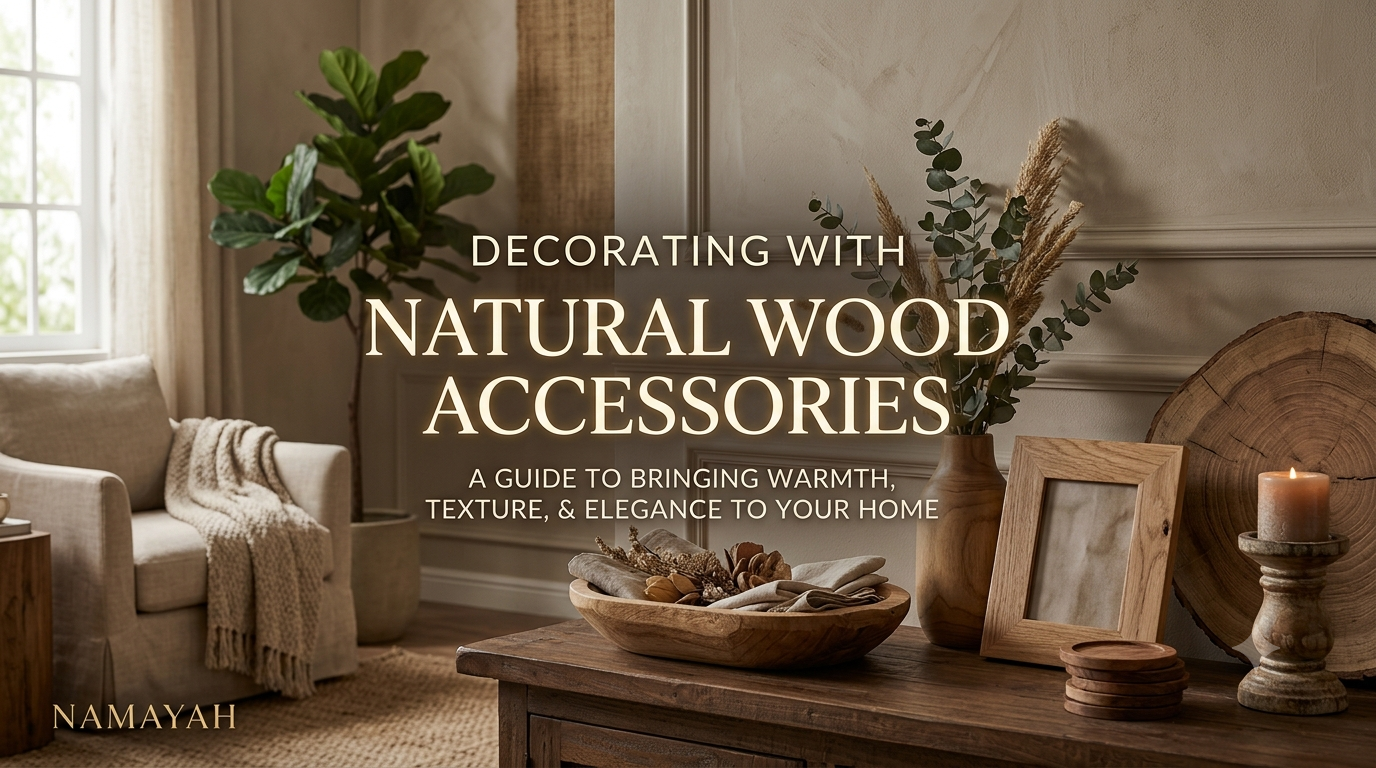
Decorating with natural wood accessories is an easy way to introduce warmth, texture, and organic character into a home. From a simple wooden bowl on a coffee table to handcrafted frames, trays, candle holders, and sculptures, wood can soften a room and complement many decorating styles.
The key is balance. You do not need wooden furniture in every corner or perfectly matching wood tones. Instead, carefully selected accessories can provide subtle connections between different areas of a room while allowing the natural grain and texture of the material to become part of the design.
Here are 15 practical ways to decorate with natural wood accessories while keeping your home fresh, cohesive, and inviting.
Why Natural Wood Works So Well in Home Decor
Natural wood has visual variation that manufactured, perfectly uniform surfaces often lack. Grain patterns, knots, subtle color differences, and changes in texture can give even a small decorative object individual character.
Wood is also remarkably versatile.
Depending on the finish, shape, and surrounding materials, wooden accessories can complement:
- Modern interiors
- Scandinavian-inspired rooms
- Farmhouse decor
- Rustic spaces
- Coastal homes
- Bohemian interiors
- Traditional rooms
- Japandi-inspired spaces
- Minimalist designs
A pale, clean-lined wooden bowl might suit a minimalist room, while an aged or hand-carved piece can contribute to a rustic or collected aesthetic.
Wood can also provide contrast against harder materials such as glass, metal, tile, and stone.
How to Choose Natural Wood Accessories
Before buying wood decor, consider the room as a whole rather than choosing each accessory independently.
Start with the wood tone. Light woods can create an airy appearance, while medium and darker tones may introduce stronger contrast and visual weight.
Next, consider texture. Highly polished wood creates a different effect from unfinished, reclaimed, distressed, or hand-carved surfaces.
Scale matters as well. A tiny wooden ornament can disappear on a large dining table, while an oversized bowl may overwhelm a narrow console.
Finally, think about function. Some of the most useful wood accessories can be both practical and decorative, including trays, bowls, boxes, cutting boards, hooks, and organizers.
15 Ways to Decorate With Natural Wood Accessories
1. Start With Wooden Bowls
A natural wooden bowl is one of the simplest accessories to introduce into a room.
Place one on a coffee table, kitchen island, console, or dining table. Depending on the location, you can leave it empty to emphasize its grain and shape or fill it with suitable decorative objects.
In the kitchen or dining room, a food-safe wooden bowl can also serve a practical purpose.
For a contemporary look, choose a bowl with a simple silhouette and allow the natural grain to provide the detail.
2. Use Wooden Trays to Create Vignettes
Decorative trays help turn several small objects into one visually organized arrangement.
A wooden tray on a coffee table could hold a candle, small vase, and decorative object. On a bedside table, it might organize everyday essentials.
The tray creates a boundary around the objects, making the arrangement feel deliberate rather than cluttered.
For contrast, combine a wooden tray with materials such as ceramic, glass, or metal instead of filling it exclusively with wooden items.
3. Introduce Natural Wood Picture Frames
Picture frames offer a subtle way to repeat wood tones throughout a home.
Instead of using identical frames everywhere, consider selecting complementary shades and profiles. A combination of light, medium, or darker natural finishes can create a more relaxed appearance when thoughtfully arranged.
Wooden frames work particularly well for family photographs, botanical artwork, landscapes, and understated prints.
They can be displayed individually or incorporated into a gallery wall.
4. Decorate With Wooden Candle Holders
Wooden candle holders can add height, texture, and warmth to a mantel, dining table, or console.
Try grouping candle holders of different heights while maintaining a connection through material or shape.
Because candles involve heat and open flames, use holders designed for their intended purpose and follow the manufacturer’s safety instructions. Keep flames away from combustible decorative materials.
Flameless candles can be an alternative when an arrangement includes delicate or closely positioned decor.
5. Add Sculptural Wood Objects
Wood accessories do not have to be purely functional.
Carved figures, abstract sculptures, decorative chains, geometric objects, and handcrafted forms can turn natural wood into a focal point.
One larger sculptural piece often creates more impact than numerous small ornaments.
Try placing a distinctive wood object on a bookshelf or console and giving it enough empty space to be appreciated.
6. Bring Wood Into the Kitchen
The kitchen is one of the easiest rooms for decorating with natural wood accessories because many useful kitchen objects are traditionally made from wood.
Consider displaying:
- Cutting or serving boards
- Wooden spoons
- Utensil holders
- Bowls
- Trays
- Salt and pepper mills
- Serving utensils
A few attractive cutting boards leaned against a backsplash can introduce warmth while remaining accessible.
Keep practicality in mind. Items that come into contact with food should be designed for food use and maintained according to their care instructions.
7. Style Shelves With Small Wood Accents
Wood accessories can help soften shelves dominated by books, ceramics, glass, or painted surfaces.
Try adding a small bowl, carved object, wooden box, or frame.
Avoid filling every available gap. Leaving some open space allows individual pieces to stand out and keeps shelves from appearing overcrowded.
A useful approach is to vary the height, shape, and material of neighboring objects.
8. Mix Different Wood Tones
One of the biggest misconceptions about decorating with wood is that every finish needs to match.
It does not.
A room can contain several wood tones and still feel cohesive. In fact, slight variation can make an interior appear more layered and natural.
Look for an underlying connection rather than an exact match. You might repeat a similar warm tone in two or three places while introducing lighter and darker pieces for contrast.
If the room already contains substantial wooden furniture or flooring, use accessories selectively instead of trying to duplicate the dominant finish.
9. Pair Wood With Other Natural Materials
Wood becomes especially effective when surrounded by contrasting textures.
Consider pairing it with:
- Linen
- Cotton
- Wool
- Rattan
- Jute
- Stone
- Ceramic
- Plants
For example, a wooden tray on a stone countertop creates a clear material contrast. A wood bowl beside a linen table runner creates a softer combination.
The goal is not to make every object look “natural.” Instead, use different materials to create layers of texture.
10. Add Wood Accessories to the Bathroom
Bathrooms often contain hard, cool surfaces such as tile, porcelain, glass, and metal. A small amount of wood can introduce visual warmth.
Possible additions include wooden trays, storage boxes, soap dishes, stools, or decorative objects specifically suitable for bathroom conditions.
However, moisture matters.
Wood repeatedly exposed to water or high humidity may require an appropriate finish and additional care. Avoid placing unsuitable wooden objects where they remain wet for extended periods.
11. Create a Natural Centerpiece
A dining or coffee table provides an ideal location for a simple natural centerpiece.
Start with one wooden element, such as a bowl or tray. Add contrasting materials through flowers, foliage, ceramic vessels, or other decorative pieces.
Keep the size appropriate for the table. Dining-table arrangements should not unnecessarily interfere with conversation or everyday use.
Sometimes a single beautifully shaped wooden bowl is enough.
12. Use Wood in Minimalist Interiors
Natural wood and minimalism can work particularly well together.
In a minimalist room, each accessory receives more visual attention because there are fewer competing objects. This makes the grain, texture, and craftsmanship of a wooden piece especially noticeable.
Choose fewer pieces with distinctive shapes rather than many small decorations.
For example, a simple wood sculpture on a clean console may provide all the warmth the area needs.
13. Combine Wood With Greenery
Plants and natural wood make an intuitive pairing.
A wooden plant stand, tray, shelf, or decorative bowl can reinforce the organic qualities of indoor greenery without requiring the entire room to follow a nature-inspired theme.
The contrast between green foliage and warm wood tones can also create visual interest.
If you place plant containers directly on wooden surfaces, protect the wood from moisture and condensation.
14. Use Handmade and Vintage Pieces for Character
Perfectly uniform accessories are not always necessary.
Handmade wooden objects can feature variations in shape, grain, carving, and finish. Vintage pieces may show signs of age that contribute to a collected aesthetic.
Consider mixing a handmade bowl or older wooden box with newer decor.
Before using vintage wooden objects for food preparation or serving, confirm that their material, finish, and condition are appropriate for food contact. When uncertain, use them decoratively instead.
15. Keep the Overall Look Balanced
Natural wood is attractive, but using it everywhere can reduce its impact.
If you already have wooden flooring, cabinetry, furniture, and wall features, you may need only a few additional accessories.
Break up large amounts of wood with other materials and surfaces.
For example, combine:
Wood + ceramic + linen
or:
Wood + stone + glass + greenery
Contrast helps each material remain visually distinct.
The most effective approach to decorating with natural wood accessories is usually intentional repetition rather than complete matching.
How to Care for Natural Wood Accessories
Proper care depends on the wood species, finish, construction, and intended use, so always follow the manufacturer’s instructions when available.
For general decorative wood objects, regularly remove dust using a soft cloth. Avoid leaving ordinary wooden accessories in standing water or exposing them to excessive moisture unless they are specifically designed for those conditions.
Do not automatically use household cleaners, oils, or furniture products on every wooden item. Different finishes require different maintenance methods, and an unsuitable product can alter the appearance of the surface.
Food-contact items such as cutting boards and serving bowls require particular attention to cleaning and maintenance. Follow the maker’s care instructions and use only treatments appropriate for their intended use.
Frequently Asked Questions About Decorating With Natural Wood Accessories
What are natural wood accessories?
Natural wood accessories are decorative or functional objects made primarily from wood, such as bowls, trays, frames, boxes, candle holders, sculptures, serving boards, and organizers. Their visible grain, texture, and natural variation often become part of their decorative appeal.
How do you decorate a room with natural wood?
Begin with a few small pieces, such as a wooden bowl, tray, frame, or sculpture. Repeat related wood tones in different parts of the room and combine them with contrasting materials such as ceramic, linen, glass, stone, or metal.
Can you mix different wood tones in one room?
Yes. Different wood tones can work together when the overall composition feels intentional. Rather than trying to match every item exactly, repeat one or two related tones and use lighter or darker woods to create depth and contrast.
What colors look good with natural wood?
The answer depends on the wood’s tone and the atmosphere you want to create. Whites, creams, greens, muted blues, earthy shades, and many neutral colors can complement wood. Darker colors can provide stronger contrast, particularly against lighter woods.
Does natural wood decor work in modern homes?
Yes. Natural wood can suit contemporary interiors when accessories have simple shapes, restrained detailing, and clean proportions. A minimal wooden bowl, frame, tray, or abstract sculpture can introduce warmth without making a room feel rustic.
How can I decorate with wood without making my home look rustic?
Choose clean-lined accessories and use them sparingly. Pair wood with modern materials such as glass, metal, stone, or simple ceramics. Avoid relying heavily on distressed finishes and rustic motifs if you want a contemporary result.
Should all the wood in a room match?
No. Exact matching is unnecessary. Coordinating undertones and repeating selected finishes usually creates a more natural result than trying to make every wooden surface identical.
What natural wood accessories work well in a living room?
Wooden trays, bowls, picture frames, decorative boxes, candle holders, bookends, and sculptural objects can all work well. Select pieces according to the scale and existing materials of your living room rather than adding wood accessories simply to fill empty surfaces.
Conclusion
Decorating with natural wood accessories can bring warmth, texture, and character into almost any interior style. You do not need a major renovation or an entire collection of matching wooden furniture to achieve the effect.
Start with versatile pieces such as bowls, trays, frames, and sculptural objects. Mix wood tones thoughtfully, pair them with contrasting materials, and leave enough visual space for the grain and craftsmanship to stand out.
Whether your home is modern, minimalist, traditional, rustic, or eclectic, carefully selected natural wood accessories can help create a more layered and inviting interior.