
Curating a Home Filled with Meaningful Handmade Pieces
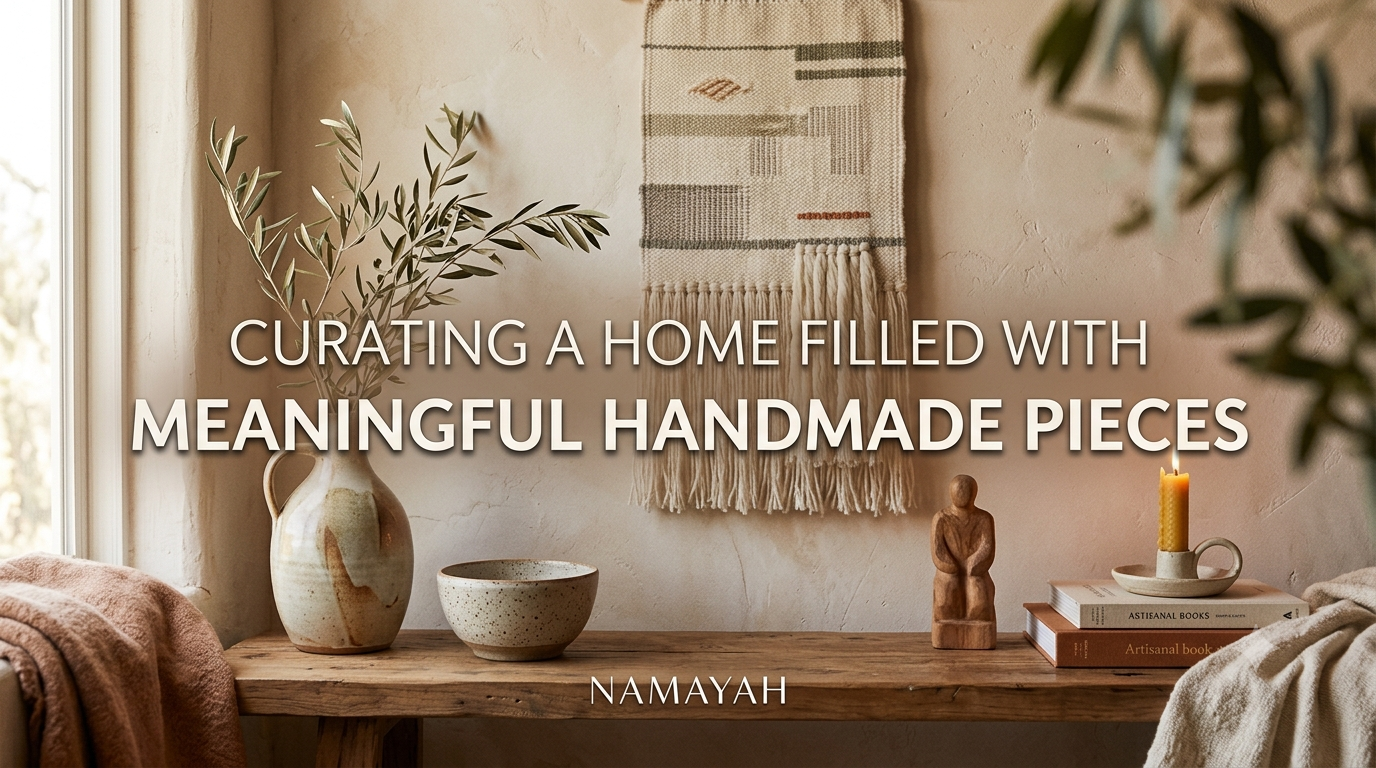
A home becomes truly memorable when it reflects the people who live in it. Rather than filling every corner with mass-produced décor, Curating a Home Filled with Meaningful Handmade Pieces allows you to create spaces that celebrate craftsmanship, culture, and personal memories. Handmade objects often carry stories of their makers, making each item feel unique and deeply personal.
Whether you’re decorating your first apartment or refreshing your forever home, incorporating handmade elements adds warmth, authenticity, and character that cannot be replicated by factory-made products.
Why Handmade Pieces Matter in Modern Homes
In today’s fast-paced world, handcrafted items remind us to slow down and appreciate quality over quantity. Every handmade piece represents hours of creativity, patience, and skill.
Beyond aesthetics, these items often become conversation starters. A hand-thrown ceramic vase, a woven basket from a local artisan, or a carved wooden coffee table carries a history that enriches your living space.
The Emotional Value of Handmade Décor
Unlike mass-produced accessories, handmade creations often become cherished keepsakes. They may remind you of a special vacation, commemorate an important milestone, or represent someone whose work you admire.
These emotional connections transform ordinary rooms into meaningful environments.
Supporting Skilled Artisans and Small Businesses
Buying handmade products also supports independent creators and traditional crafts. Your purchase often helps preserve artistic techniques that have been passed down through generations while contributing to sustainable local economies.
Defining Your Home’s Personal Style
Before purchasing handmade items, think about the atmosphere you want your home to create.
Ask yourself:
- Do you enjoy rustic charm?
- Are you drawn to minimalist interiors?
- Do you appreciate vintage character?
- Would you like a blend of modern and traditional elements?
Having a clear direction prevents impulse purchases and creates a cohesive look.
Finding Inspiration Without Copying Trends
Social media can provide inspiration, but your home should reflect your own experiences rather than temporary trends.
Instead of recreating someone else’s room, collect ideas that resonate with your personality and adapt them to fit your lifestyle.
Building Around Meaning Rather Than Perfection
Not every handcrafted item needs to match perfectly.
Homes often feel richer when different textures, materials, and colors come together naturally over time.
Choosing Handmade Pieces That Tell a Story
When selecting handcrafted décor, prioritize items that connect with you emotionally.
Pottery and Ceramics
Handmade bowls, mugs, vases, and plates introduce subtle variations in shape and glaze that make every piece distinctive.
Textiles and Woven Art
Handwoven blankets, embroidered cushions, and handmade rugs add softness while introducing texture and cultural heritage.
Woodworking and Furniture
Solid wood furniture crafted by artisans often lasts for decades and develops character with age.
Look for pieces with visible grain patterns, traditional joinery, and natural finishes.
Paintings and Wall Art
Original artwork gives your home individuality. Even small paintings or handmade prints can become meaningful focal points.
Mixing Handmade Items with Contemporary Design
Handmade décor doesn’t require an entirely rustic home.
Instead, combine handcrafted elements with modern furniture to create balance.
For example:
| Modern Element | Handmade Companion |
|---|---|
| Neutral Sofa | Handwoven Throw |
| Glass Dining Table | Ceramic Centerpiece |
| Minimal Shelving | Handmade Pottery |
| Modern Bed | Quilted Blanket |
| Metal Lighting | Wooden Side Table |
This contrast often makes both styles stand out even more.
Creating Focal Points in Every Room
Living Room
Display handcrafted pottery on open shelving, layer woven baskets beside the sofa, or feature an artisan coffee table as the centerpiece.
Kitchen
Open shelves are ideal for showcasing handmade mugs, bowls, cutting boards, and serving platters that combine beauty with everyday functionality.
Bedroom
Introduce handmade quilts, knitted blankets, woven wall hangings, and handcrafted bedside lamps to create a calming retreat.
Entryway
Welcome guests with a handcrafted bench, ceramic bowl for keys, and framed artwork from local artists.
Caring for Handmade Treasures
Proper maintenance helps preserve handcrafted items for years.
- Dust regularly with soft cloths.
- Avoid prolonged direct sunlight.
- Follow maker-specific care instructions.
- Store fragile ceramics carefully.
- Re-oil unfinished wood when recommended.
- Wash handmade textiles gently.
Regular care allows these treasured pieces to age gracefully.
Shopping Ethically for Handmade Goods
When buying handcrafted products:
- Learn about the artisan’s process.
- Ask about materials and sourcing.
- Prioritize fair compensation.
- Choose quality over quantity.
- Support local craft fairs and independent makers whenever possible.
Organizations such as the World Crafts Council provide valuable information about preserving traditional craftsmanship: https://wccinternational.org
Decorating Seasonally Without Losing Authenticity
Seasonal decorating doesn’t require replacing everything.
Instead, rotate:
- Handmade wreaths
- Seasonal ceramics
- Natural woven baskets
- Artisan candles
- Handcrafted table linens
Your core collection remains consistent while small seasonal accents refresh your home.
Common Mistakes to Avoid
- Buying handmade items solely because they’re trendy.
- Overcrowding shelves with too many decorative objects.
- Ignoring scale and proportion.
- Choosing low-quality imitations instead of authentic craftsmanship.
- Forgetting the stories behind your collection.
Thoughtful curation creates a home that feels intentional rather than cluttered.
Frequently Asked Questions
1. Why should I choose handmade décor instead of mass-produced items?
Handmade pieces offer uniqueness, superior craftsmanship, and personal character that factory-produced products often lack.
2. How do I start collecting handmade home décor?
Begin with one meaningful item each room—a ceramic vase, woven basket, or handcrafted artwork—and build your collection gradually.
3. Can handmade décor work in a modern home?
Absolutely. Mixing handcrafted elements with clean contemporary designs creates warmth, texture, and visual interest.
4. Are handmade items more sustainable?
Many handmade products are created in small batches using natural materials, making them a more sustainable choice than mass-produced alternatives.
5. How can I verify that an item is genuinely handmade?
Purchase directly from artisans, reputable craft markets, or trusted handmade marketplaces, and ask about the production process.
6. Is decorating with handmade pieces expensive?
Not necessarily. Building your collection slowly allows you to invest in quality pieces over time while staying within your budget.
Conclusion
Curating a Home Filled with Meaningful Handmade Pieces is about more than decorating—it’s about creating a space that reflects your values, memories, and appreciation for craftsmanship. By thoughtfully selecting handcrafted furniture, ceramics, textiles, and artwork, you can build a home that feels welcoming, timeless, and uniquely yours. Instead of chasing short-lived trends, focus on pieces that inspire connection and tell a story. Over time, these carefully chosen treasures will transform your house into a home filled with warmth, authenticity, and lasting meaning.