
Copper vs Stainless Steel Cookware: The Luxury Choice
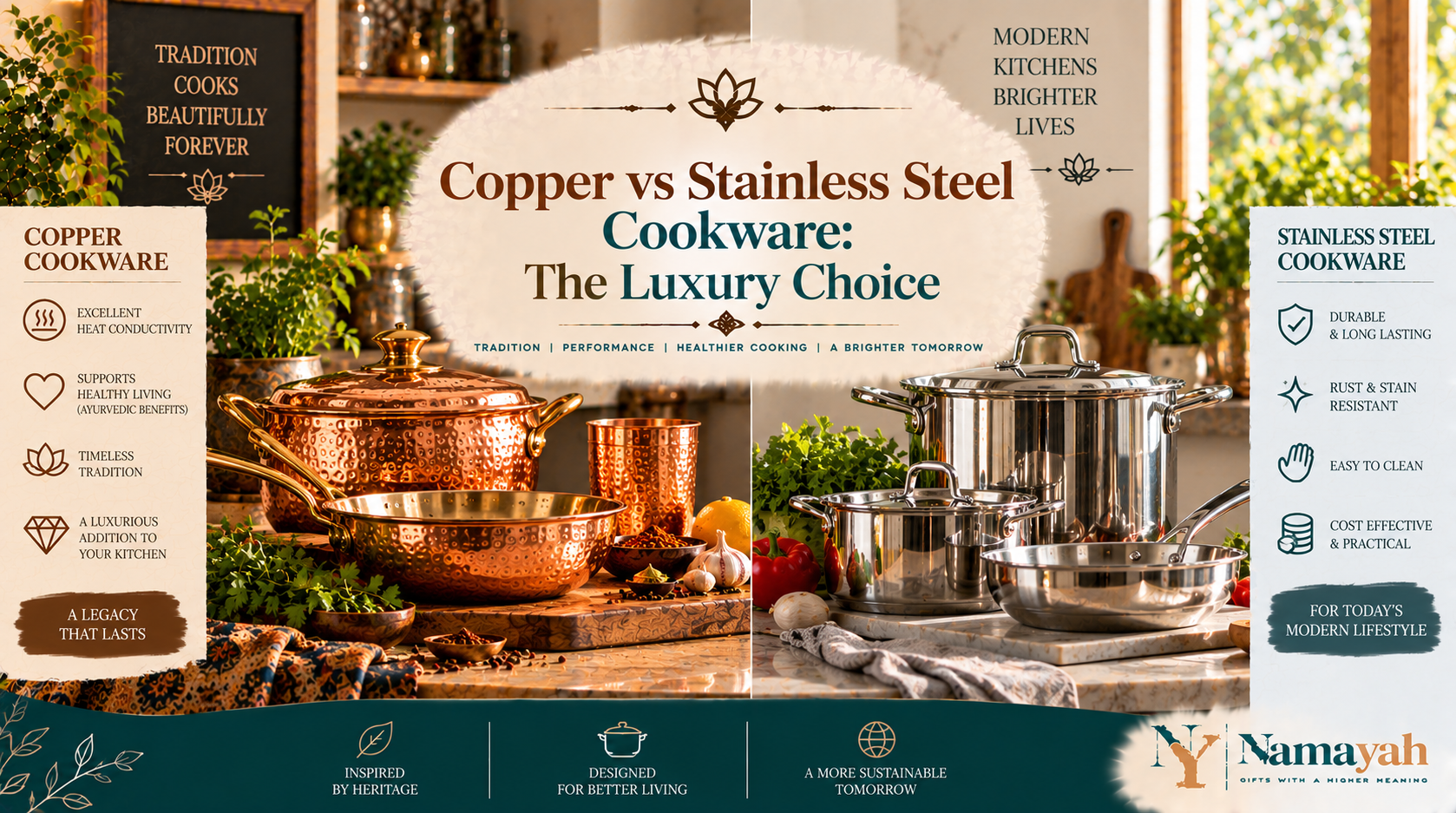
Choosing the right cookware is a foundational decision for any culinary enthusiast, especially when balancing aesthetic elegance with professional performance. When evaluating copper vs stainless steel cookware, you are essentially choosing between two of the most respected luxury kitchenware materials in the world. While both serve essential roles in the kitchen, they offer vastly different thermal properties and maintenance requirements. Understanding these nuances is key to curating a kitchen that reflects both your personal style and your culinary ambitions.
Related: modern luxury home decor trends
Related: handcrafted copper decor
The Thermal Superiority of Copper
Copper has been the gold standard for professional chefs for centuries, primarily due to its unmatched thermal conductivity. When you are cooking in copper, you benefit from a metal that reacts almost instantly to changes in heat. This precision allows for delicate tasks, such as creating complex sauces or tempering chocolate, where heat regulation is critical. Unlike other materials, copper distributes heat evenly across the entire surface of the pan, eliminating hot spots that can scorch ingredients. Beyond performance, the visual appeal of copper is undeniable. In a modern luxury kitchen, high-quality copper pots and pans serve as both functional tools and stunning decorative elements. Many enthusiasts look to our about us page to learn more about the heritage and artistry behind handcrafted kitchen pieces that marry form and function so seamlessly.
Understanding Stainless Steel Performance
Stainless steel is often lauded for its durability and resistance to corrosion, making it a workhorse in both home and commercial settings. While it does not conduct heat as rapidly as copper, it is exceptionally robust. Most high-end stainless steel cookware features a multi-clad construction, often incorporating an aluminum or copper core to improve thermal efficiency. This makes it a reliable choice for searing, boiling, and daily heavy-duty use. One significant advantage of stainless steel is its ease of care. Unlike copper, which can develop a natural patina, stainless steel remains bright and resistant to most forms of oxidation. For those who prioritize a low-maintenance lifestyle without sacrificing the professional look of their kitchen, stainless steel is often the primary choice. It is also non-reactive, meaning it will not alter the flavor of acidic foods like tomato sauces or wine-based reductions.
Copper vs Steel Health Comparison
When conducting a copper vs steel health comparison, it is important to look at how these metals interact with food. Pure copper is reactive, which is why most culinary copperware is lined with a non-reactive metal like tin or stainless steel. This lining ensures that the benefits of copper’s thermal conductivity are achieved while preventing the copper itself from leaching into acidic ingredients. According to the Food and Drug Administration, proper maintenance and lining of metallic cookware are essential for long-term safety and food quality. Stainless steel, conversely, is inherently inert. High-grade surgical stainless steel is widely considered one of the safest materials for food preparation. For those who frequently cook acidic dishes and prefer a “set it and forget it” approach to maintenance, the inert nature of stainless steel is a distinct advantage. However, when properly lined, copper cookware offers the same safety profile, allowing you to enjoy the best of both worlds.
The Best Material for Indian Cooking
Determining the best material for Indian cooking requires balancing high-heat techniques with slow-simmering processes. Indian cuisine often involves complex tempering, or tadka, which requires rapid heat response to toast spices without burning them. In this context, copper excels. The ability to control heat with surgical precision makes it ideal for delicate gravies and perfectly cooked grains. Many traditional Indian kitchens have long favored heavy-gauge metals for their ability to retain heat through long cooking times. While stainless steel is excellent for daily dal or vegetable stir-fries, a copper pot with a stainless lining provides the superior heat control required for more intricate dishes. You can explore our Copper Living archives for more insights on how these materials complement diverse culinary traditions.
Summary of Cookware Properties
| Feature | Copper Cookware | Stainless Steel Cookware |
|---|---|---|
| Thermal Conductivity | Exceptional | Moderate |
| Reactivity | Reactive (needs lining) | Inert |
| Maintenance | High (polishing needed) | Low |
| Aesthetics | Classic Luxury | Modern Professional |
Aesthetic Appeal and Longevity
Investing in luxury kitchenware materials is about more than just cooking; it is about creating a space that feels curated and intentional. Copper develops a rich character over time, known as a patina, which many collectors value for its warmth and history. If you prefer to keep your pieces looking brand new, you can find helpful advice in our guide on how to prevent tarnishing to ensure your investment remains pristine for generations. Stainless steel provides a cleaner, more sterile look that appeals to those who favor industrial or minimalist design aesthetics. Because it resists scratches and dents, it often remains a staple for decades. Choosing between the two often comes down to whether you prioritize the warmth and evolving beauty of copper or the consistent, timeless polish of stainless steel.
Choosing Your Culinary Path
Ultimately, the choice depends on your specific cooking habits. If you find yourself frequently preparing delicate sauces or recipes that require constant temperature adjustments, the thermal benefits of copper are hard to beat. If you are looking for a durable, versatile set for high-heat searing and daily meal preparation, a high-quality multi-clad stainless steel set is likely the more practical investment. Many professional kitchens actually utilize a combination of both materials. By having a few key copper pieces for precision work and a suite of stainless steel pans for general tasks, you can achieve the ultimate culinary setup. For further guidance on maintaining your collection, consult industry standards on material science and kitchen safety.
Conclusion
Selecting the right cookware is a deeply personal decision that balances scientific performance with aesthetic preference. Whether you lean toward the rapid conductivity of copper or the reliable durability of stainless steel, both materials represent the pinnacle of luxury kitchenware. By understanding the unique strengths of each, you can build a collection that elevates your cooking and lasts a lifetime. Whether you are an amateur cook or a seasoned professional, investing in quality materials is the first step toward culinary excellence.