
Copper Serving Pieces for Elegant Dining Experiences
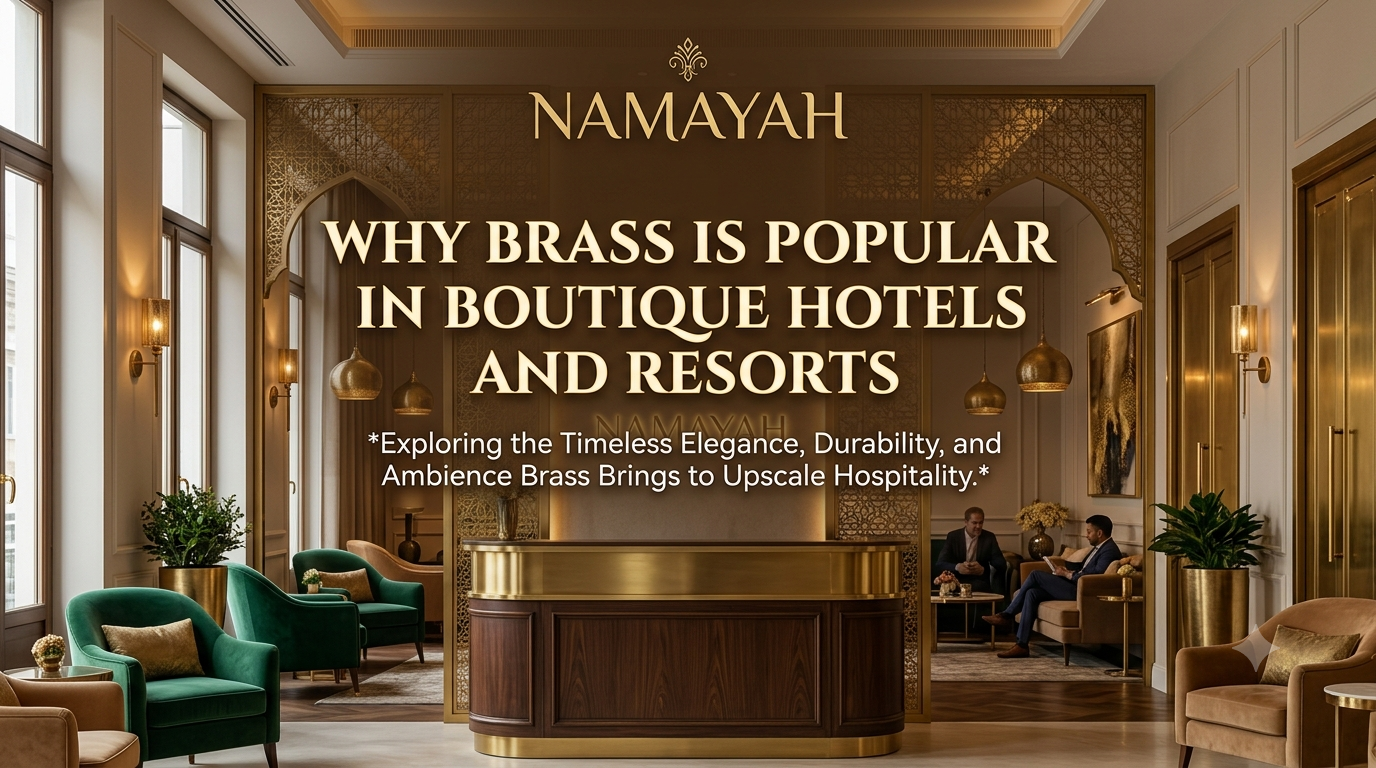
Boutique hotels and luxury resorts are known for creating memorable guest experiences through thoughtful design, exceptional comfort, and unique architectural details. Every element, from lighting fixtures to door handles, contributes to the overall atmosphere. One material that has become increasingly popular in hospitality interiors is brass. Designers around the world appreciate its warm appearance, remarkable durability, and timeless elegance.
Understanding Why Brass Is Popular in Boutique Hotels and Resorts helps hotel owners, architects, and interior designers make informed decisions when selecting finishes for new projects or renovations. Brass is more than a decorative metal—it is a practical investment that balances beauty with performance.
This comprehensive guide explores why brass continues to dominate luxury hospitality design and how it enhances both guest satisfaction and long-term value.
The Timeless Appeal of Brass
Brass has been used in architecture and interior design for centuries. Its distinctive golden tone conveys elegance without appearing overly flashy. Unlike trends that fade after a few years, brass maintains its appeal across different design eras.
Historic hotels often feature polished brass railings, elevator doors, and decorative accents. Today, contemporary boutique hotels reinterpret these classic details with brushed, satin, or antique brass finishes.
This flexibility allows brass to complement nearly every interior style, including:
- Modern minimalist
- Scandinavian
- Industrial
- Mid-century modern
- Art Deco
- Traditional luxury
- Coastal resort design
- Contemporary hospitality
Because of this versatility, designers rarely need to replace brass simply because design trends evolve.
A Material with Rich History
Brass has long symbolized craftsmanship and prestige. Ancient civilizations used brass for decorative objects, architectural elements, and ceremonial artifacts.
Over the centuries, luxury hotels adopted brass because it reflected quality and sophistication. Grand entrances, ornate staircases, and elegant reception desks frequently showcased polished brass details that impressed arriving guests.
Today, boutique hotels preserve this heritage while introducing cleaner lines and more understated finishes.
Modern Design Renaissance
Interior designers have embraced brass again because it introduces warmth into spaces dominated by concrete, stone, and neutral colors.
Rather than overwhelming a room, brass creates subtle visual highlights that make interiors feel inviting.
Popular modern brass finishes include:
| Finish | Best Application |
|---|---|
| Brushed Brass | Guest rooms |
| Satin Brass | Luxury bathrooms |
| Antique Brass | Heritage hotels |
| Matte Brass | Modern resorts |
| Polished Brass | Statement entrances |
These finishes allow designers to create distinct personalities for each property.
Why Boutique Hotels Choose Brass
Boutique hotels compete by offering distinctive experiences rather than standardized rooms.
Brass supports this goal by providing character, elegance, and craftsmanship.
Unlike chrome, which often feels clinical, brass creates warmth. Unlike black fixtures, brass reflects light beautifully while maintaining a refined appearance.
Guests frequently associate brass finishes with premium quality because they are commonly found in luxury hospitality environments.
Luxury Without Excess
One reason designers appreciate brass is its ability to communicate luxury subtly.
Instead of relying on expensive marble throughout an entire property, carefully placed brass accents create an upscale atmosphere with less visual clutter.
Examples include:
- Door hardware
- Cabinet pulls
- Pendant lighting
- Mirror frames
- Bathroom faucets
- Closet rails
- Stair railings
- Reception desks
These small details collectively elevate the guest experience.
Warm and Inviting Atmosphere
Color psychology plays a significant role in hospitality design.
Brass reflects warm golden tones that make rooms feel:
- Comfortable
- Relaxing
- Sophisticated
- Welcoming
- Premium
Guests naturally gravitate toward spaces that feel cozy rather than sterile.
This explains why brass pairs exceptionally well with:
- Walnut wood
- White marble
- Natural stone
- Velvet upholstery
- Linen fabrics
- Earth-tone paint colors
Durability That Matches Hospitality Needs
Hotels experience heavy daily use.
Door handles may be touched thousands of times every month.
Bathroom fixtures endure constant moisture.
Furniture experiences continuous movement.
Brass performs exceptionally well under these demanding conditions.
Unlike cheaper plated materials, solid brass resists corrosion and maintains structural integrity for decades.
Although finishes may develop a natural patina over time, many designers intentionally embrace this aging process because it adds authenticity and character.
Resistance to Wear
Hospitality environments require materials that can withstand:
- Frequent cleaning
- High humidity
- Continuous guest traffic
- Temperature changes
- Daily operation
Brass handles these conditions better than many alternatives.
Its resistance to rust makes it especially valuable in coastal resorts where salty air accelerates corrosion.
Low Maintenance
Despite its luxurious appearance, brass is surprisingly easy to maintain.
Routine cleaning usually involves:
- Soft microfiber cloth
- Mild soap
- Warm water
- Gentle drying
Avoid harsh abrasives that can damage specialty finishes.
Many modern brass products also feature protective coatings that reduce tarnishing.
Brass in Guest Rooms
Guest rooms benefit enormously from carefully selected brass details.
Popular applications include:
- Reading lights
- Bedside lamps
- Drawer pulls
- Closet hardware
- Bathroom accessories
- Shower fixtures
- Curtain rods
- Decorative shelving
These accents establish visual consistency while reinforcing the hotel’s brand identity.
Furniture Details
Furniture manufacturers increasingly incorporate brass into:
- Table legs
- Chair frames
- Cabinet accents
- Console tables
- Bed frames
These details make furniture appear custom-made rather than mass-produced.
For boutique hotels that emphasize individuality, this distinction matters significantly.
Brass in Public Spaces
Public areas create first impressions that influence guest expectations.
Reception desks featuring brass trim immediately communicate refinement.
Restaurants often combine brass lighting with wood furniture to create intimate dining environments.
Hotel bars frequently use brass shelving, foot rails, and drink displays to evoke timeless sophistication.
These carefully curated details contribute to memorable guest experiences and encourage social media sharing.
Sustainability Benefits
Sustainability has become a priority in hospitality.
Brass aligns well with environmentally conscious design because it is highly recyclable without losing its properties.
Additional sustainability benefits include:
- Long lifespan
- Reduced replacement frequency
- Lower lifecycle costs
- Reusable material
- Strong resale value
Choosing durable materials helps reduce construction waste over time.
Customization Options
Manufacturers can fabricate brass into a wide variety of custom components.
Examples include:
- Custom signage
- Hotel logos
- Room numbers
- Decorative screens
- Lighting fixtures
- Furniture hardware
- Elevator details
This flexibility allows boutique hotels to create a unique identity that guests remember long after their stay.
Interior Design Trends
Current hospitality trends strongly favor natural materials and warm metallic finishes.
Brass pairs beautifully with:
- Natural oak
- Limestone
- Terrazzo
- Handmade ceramics
- Textured plaster
- Indoor greenery
The result is a welcoming environment that feels contemporary yet timeless.
Cost vs. Long-Term Value
Although brass often has a higher upfront cost than some alternatives, its longevity frequently makes it the more economical choice.
| Factor | Brass | Lower-Cost Alternatives |
|---|---|---|
| Initial Cost | Higher | Lower |
| Lifespan | Long | Shorter |
| Corrosion Resistance | Excellent | Varies |
| Maintenance | Low | Moderate |
| Luxury Appearance | Excellent | Moderate |
| Recyclability | High | Often Lower |
For hotels planning long-term operations, the reduced need for replacement and enduring aesthetic appeal can justify the initial investment.
Common Mistakes to Avoid
When incorporating brass into hospitality design, consider these best practices:
- Avoid mixing too many metallic finishes in the same space without a clear design strategy.
- Choose finishes that complement the hotel’s overall aesthetic.
- Use high-quality solid brass where durability is critical, rather than thin decorative plating.
- Follow manufacturer recommendations for cleaning and maintenance.
- Balance brass accents with natural materials to avoid an overly ornate look.
Frequently Asked Questions
1. Why is brass popular in boutique hotels and resorts?
Brass combines timeless elegance, durability, warmth, and design flexibility, making it ideal for creating distinctive hospitality interiors.
2. Is brass durable enough for hotels?
Yes. Solid brass is highly resistant to wear and corrosion, making it well suited to high-traffic hospitality environments.
3. Does brass require frequent maintenance?
No. Routine cleaning with mild soap, water, and a soft cloth is generally sufficient, especially for protected finishes.
4. Is brass environmentally friendly?
Yes. Brass is highly recyclable and has a long service life, reducing the need for frequent replacement.
5. Which brass finish is best for boutique hotels?
The best finish depends on the design concept. Brushed and satin brass are popular for modern spaces, while antique brass suits heritage-inspired interiors.
6. Can brass be used in coastal resorts?
Yes. Brass offers good corrosion resistance, making it a practical choice for many coastal hospitality applications when properly specified and maintained.
Conclusion
The enduring appeal of Why Brass Is Popular in Boutique Hotels and Resorts lies in its ability to merge style with substance. Brass brings warmth, sophistication, and a sense of craftsmanship that resonates with guests while providing the durability required in demanding hospitality settings. Its versatility across design styles, ease of customization, recyclability, and long-term value make it a preferred material for architects, interior designers, and hotel owners alike.
As boutique hotels continue to differentiate themselves through memorable spaces and thoughtful details, brass remains a trusted choice that enhances both aesthetics and functionality. Whether used in guest rooms, public areas, or custom design features, brass helps create inviting environments that leave lasting impressions and support the premium experience today’s travelers expect.
For additional guidance on sustainable materials and hospitality design, resources from organizations such as the U.S. Green Building Council (https://www.usgbc.org/) provide valuable industry insights.