
Copper Kitchenware: Benefits, Uses & Care Guide
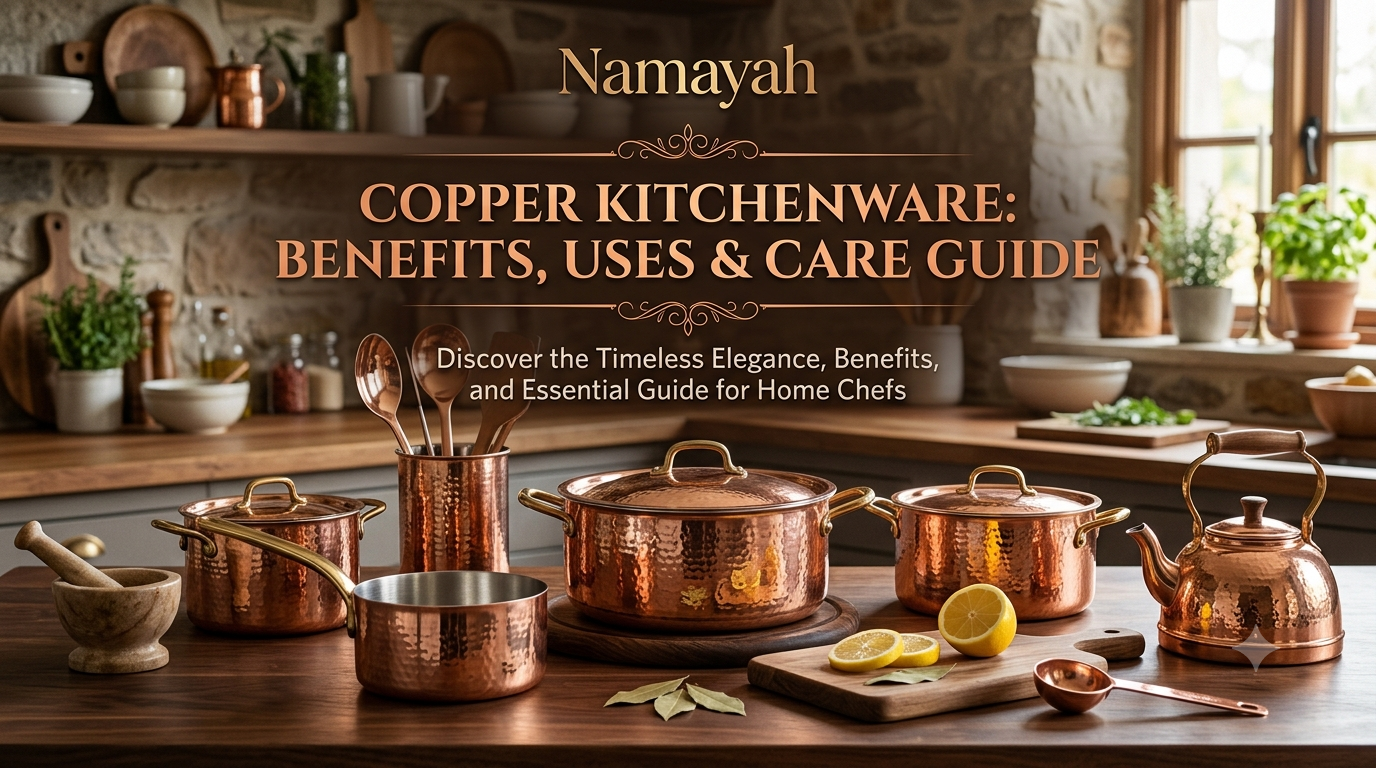
Copper kitchenware has remained a favorite among professional chefs and home cooks for centuries. Known for its exceptional heat conductivity, elegant appearance, and long lifespan, copper cookware combines performance with timeless style.
Whether you’re considering a copper saucepan, stockpot, frying pan, or decorative kitchen accessories, understanding the advantages and proper maintenance of copper is essential before making a purchase.
This guide explores everything you need to know about copper kitchenware, from its benefits and everyday uses to cleaning methods and buying tips.
What Is Copper Kitchenware?
Copper kitchenware refers to cooking utensils and kitchen accessories made entirely or partially from copper. Since pure copper reacts with acidic foods, most modern copper cookware features a lining of stainless steel or tin to create a safe cooking surface while preserving copper’s excellent heat conductivity.
Copper kitchenware includes:
- Saucepans
- Frying pans
- Stockpots
- Dutch ovens
- Mixing bowls
- Water bottles
- Serving trays
- Mugs
- Decorative utensils
The combination of functionality and luxury has made copper kitchenware popular in both professional and home kitchens.
History of Copper Kitchenware
Copper has been used for cooking for thousands of years. Ancient civilizations recognized its durability and remarkable ability to conduct heat.
Throughout Europe, Asia, and the Middle East, copper pots became a symbol of skilled craftsmanship. Many traditional kitchens still use handcrafted copper utensils passed down through generations.
Today, manufacturers combine traditional craftsmanship with modern technology by lining copper cookware with stainless steel or food-safe tin, offering improved durability and easier maintenance.
Benefits of Copper Kitchenware
Copper kitchenware offers numerous advantages that set it apart from many other cookware materials.
1. Exceptional Heat Conductivity
Copper is one of the best heat conductors used in cookware.
It heats up quickly and distributes heat evenly across the cooking surface. This reduces hot spots and allows food to cook more consistently.
For recipes requiring precision—such as sauces, caramel, or chocolate—copper cookware provides excellent temperature control.
2. Faster Cooking
Because copper transfers heat efficiently, cookware reaches the desired temperature faster than many alternatives.
This can help reduce cooking time while improving energy efficiency.
3. Precise Temperature Control
Copper responds almost instantly when the heat is increased or reduced.
Professional chefs value this responsiveness because it allows greater control over delicate recipes that can burn easily.
Foods such as:
- Custards
- Cream sauces
- Risotto
- Syrups
- Melted chocolate
benefit from copper’s precise heat management.
4. Elegant Appearance
One of copper kitchenware’s biggest attractions is its beautiful finish.
Its warm metallic shine enhances kitchen décor and makes cookware attractive enough to display on open shelves or hanging racks.
Many homeowners purchase copper cookware for both practical cooking and decorative purposes.
5. Long Lifespan
High-quality copper cookware can last for decades with proper care.
Unlike inexpensive cookware that may warp over time, premium copper pans are built to withstand years of regular use.
Many vintage copper pots remain fully functional after several generations.
6. Even Cooking Results
Uneven heating can cause burnt edges and undercooked centers.
Copper minimizes these problems by spreading heat uniformly across the base and sides of the cookware.
This makes it particularly useful for:
- Soups
- Sauces
- Jam making
- Candy making
- Slow simmering
7. Excellent for Professional Cooking
Many professional chefs prefer copper cookware because of its superior cooking performance. Restaurants often use copper pans for recipes that demand exact temperature control, where even slight variations can affect the final result.
Copper cookware is especially useful for:
- Gourmet sauces
- Seafood dishes
- French cuisine
- Sugar work
- Delicate desserts
Its responsiveness allows chefs to adjust heat quickly, helping preserve texture and flavor.
Common Types of Copper Kitchenware
Copper is available in many forms, each designed for specific kitchen tasks.
Copper Saucepans
Ideal for preparing sauces, soups, gravies, and boiling liquids. Their excellent heat control makes them a favorite for recipes requiring precision.
Copper Frying Pans
Perfect for sautéing vegetables, searing meat, and pan-frying. They heat evenly, reducing the risk of uneven browning.
Copper Stockpots
Designed for preparing large batches of soup, broth, pasta, and stews while maintaining consistent temperatures.
Copper Mixing Bowls
Widely used in baking because copper reacts with egg whites in a way that can help stabilize them, making it easier to achieve fluffy meringues.
Copper Mugs
Popular for serving chilled beverages such as mocktails and specialty drinks. Their polished appearance also adds an elegant touch to entertaining.
Copper Water Bottles
Inspired by traditional practices, copper water bottles are valued for their distinctive look and durability. They are intended for storing plain drinking water rather than acidic beverages.
Copper Serving Trays
These combine functionality with décor, making them suitable for serving snacks, desserts, or beverages during gatherings.
Uses of Copper Kitchenware
Copper kitchenware serves both practical and decorative purposes.
Everyday Cooking
Copper cookware performs exceptionally well for:
- Boiling
- Simmering
- Sautéing
- Frying
- Braising
- Sauce preparation
Its rapid response to temperature changes helps improve cooking precision.
Baking Preparation
Copper mixing bowls are commonly used when whisking egg whites because they can contribute to greater stability and volume during whipping.
Food Presentation
Copper serving dishes create an eye-catching presentation for:
- Indian cuisine
- Middle Eastern dishes
- Desserts
- Buffets
- Festive meals
Their warm metallic finish enhances the dining experience.
Kitchen Decoration
Many homeowners display polished copper cookware on open shelving or hanging racks. Over time, copper develops a natural patina, though many people prefer to maintain its bright shine through regular polishing.
Copper vs. Stainless Steel vs. Aluminum
| Feature | Copper | Stainless Steel | Aluminum |
|---|---|---|---|
| Heat Conductivity | Excellent | Moderate | Very Good |
| Heat Control | Outstanding | Good | Good |
| Durability | Excellent | Excellent | Good |
| Maintenance | High | Low | Low |
| Appearance | Premium | Modern | Simple |
| Price | Higher | Moderate | Budget-Friendly |
| Reactivity | Requires lining | Non-reactive | Can react with acidic foods if untreated |
Copper stands out for precision cooking, while stainless steel is often chosen for ease of maintenance. Aluminum provides quick heating at a lower price point but may not offer the same level of temperature control or longevity.
Is Copper Kitchenware Safe?
Modern copper cookware is generally designed with a food-safe lining of stainless steel or tin. This lining prevents direct contact between copper and most foods, especially acidic ingredients like tomatoes, citrus fruits, or vinegar.
For safe use:
- Choose lined copper cookware for everyday cooking.
- Inspect the lining regularly for wear.
- Avoid using damaged or worn cookware until it has been professionally repaired or relined if necessary.
- Follow the manufacturer’s care instructions.
Copper water bottles are generally intended for storing plain water. Acidic drinks, carbonated beverages, or fruit juices should not be stored in copper containers unless the manufacturer specifically states they are suitable.
How to Care for Copper Kitchenware
Proper care helps preserve both the appearance and performance of copper kitchenware.
Clean After Every Use
Wash copper cookware with warm water, mild dish soap, and a soft sponge. Avoid harsh detergents that could damage the finish.
Dry Immediately
Leaving copper wet can encourage water spots or tarnishing. Dry each piece thoroughly with a soft cloth after washing.
Polish Occasionally
Copper naturally darkens over time due to oxidation. If you prefer a bright finish, use a copper polish according to the manufacturer’s directions or a gentle homemade cleaning mixture appropriate for copper.
Store Carefully
Avoid stacking copper cookware without protection. Place soft cloths or pan protectors between pieces to help prevent scratches.
Use Gentle Utensils
Wooden, silicone, or heat-resistant nylon utensils can help protect the interior lining from unnecessary wear.
Common Mistakes to Avoid
To extend the life of your copper kitchenware, avoid these common errors:
- Using abrasive steel wool or harsh scrubbers
- Leaving cookware wet after washing
- Heating empty pans for long periods
- Using excessively high heat when unnecessary
- Storing acidic foods in unlined copper cookware
- Ignoring signs of a damaged interior lining
Following proper care practices helps maintain both safety and performance.
Buying Guide: How to Choose the Best Copper Kitchenware
Selecting quality copper kitchenware involves more than choosing an attractive design. The right cookware should offer excellent performance, durability, and safety.
1. Check the Copper Thickness
Thicker copper generally provides better heat distribution and is less likely to warp over time. Premium cookware often uses heavier-gauge copper for improved cooking performance.
2. Look for a Quality Lining
Most modern copper cookware is lined with either:
- Stainless steel: Durable, easy to maintain, and suitable for everyday cooking.
- Tin: Offers excellent non-stick properties but may require relining after years of use, depending on wear.
Choose the lining that best fits your cooking style and maintenance preferences.
3. Consider the Handle Material
Handles may be made from:
- Stainless steel
- Brass
- Cast iron
A well-designed handle should provide a secure, comfortable grip and remain stable during use.
4. Match the Cookware to Your Cooking Needs
Think about the recipes you prepare most often.
For example:
- Saucepans for sauces and soups
- Frying pans for everyday meals
- Stockpots for pasta and stews
- Sauté pans for versatile cooking
Buying individual pieces can be more practical than purchasing a large set if you only need specific cookware.
5. Buy From Reputable Manufacturers
Choose brands that clearly state:
- Copper thickness
- Lining material
- Compatibility with your cooktop
- Care instructions
- Warranty information
Reading verified customer reviews and product specifications can also help you make an informed decision.
Frequently Asked Questions
Is copper kitchenware worth buying?
Yes, copper kitchenware is valued for its exceptional heat conductivity, precise temperature control, and long lifespan. While it typically costs more than many alternatives, quality copper cookware can provide excellent performance for years when properly maintained.
Can copper cookware be used on induction cooktops?
Pure copper cookware is generally not compatible with induction cooktops because copper is not magnetic. Some manufacturers offer copper cookware with a magnetic stainless-steel base designed specifically for induction cooking. Always check the product specifications before purchasing.
Does copper cookware require polishing?
Not necessarily. Copper naturally develops a darker patina over time. Some people enjoy this aged appearance, while others prefer to polish copper occasionally to restore its bright finish.
Can copper cookware go in the dishwasher?
Hand washing is usually recommended. Dishwasher detergents and high temperatures may discolor or damage the exterior finish of copper cookware. Follow the manufacturer’s care instructions for the best results.
Why is most copper cookware lined?
Copper can react with acidic foods. A stainless-steel or tin lining creates a protective cooking surface while preserving copper’s excellent heat conductivity.
How long does copper cookware last?
With proper care, high-quality copper cookware can last for decades. Regular cleaning, careful storage, and maintaining the interior lining all contribute to its longevity.
Is copper kitchenware only for professional chefs?
No. While professional chefs appreciate copper’s precision, home cooks can also benefit from its even heating, responsive temperature control, and attractive appearance.
Conclusion
Copper kitchenware combines outstanding cooking performance with timeless elegance. Its superior heat conductivity, responsive temperature control, and long-lasting durability make it a popular choice for both experienced chefs and home cooks.
Although copper cookware requires more care than some other materials, regular cleaning and proper maintenance help preserve its beauty and functionality for many years. By selecting well-made, lined copper cookware and following the manufacturer’s care recommendations, you can enjoy reliable performance while adding a classic touch to your kitchen.
Whether you’re investing in a single saucepan or building a complete collection, copper kitchenware remains a practical and stylish option for anyone who values precision cooking and quality craftsmanship.