
Copper and Wood Décor Ideas for Rustic Luxury Homes
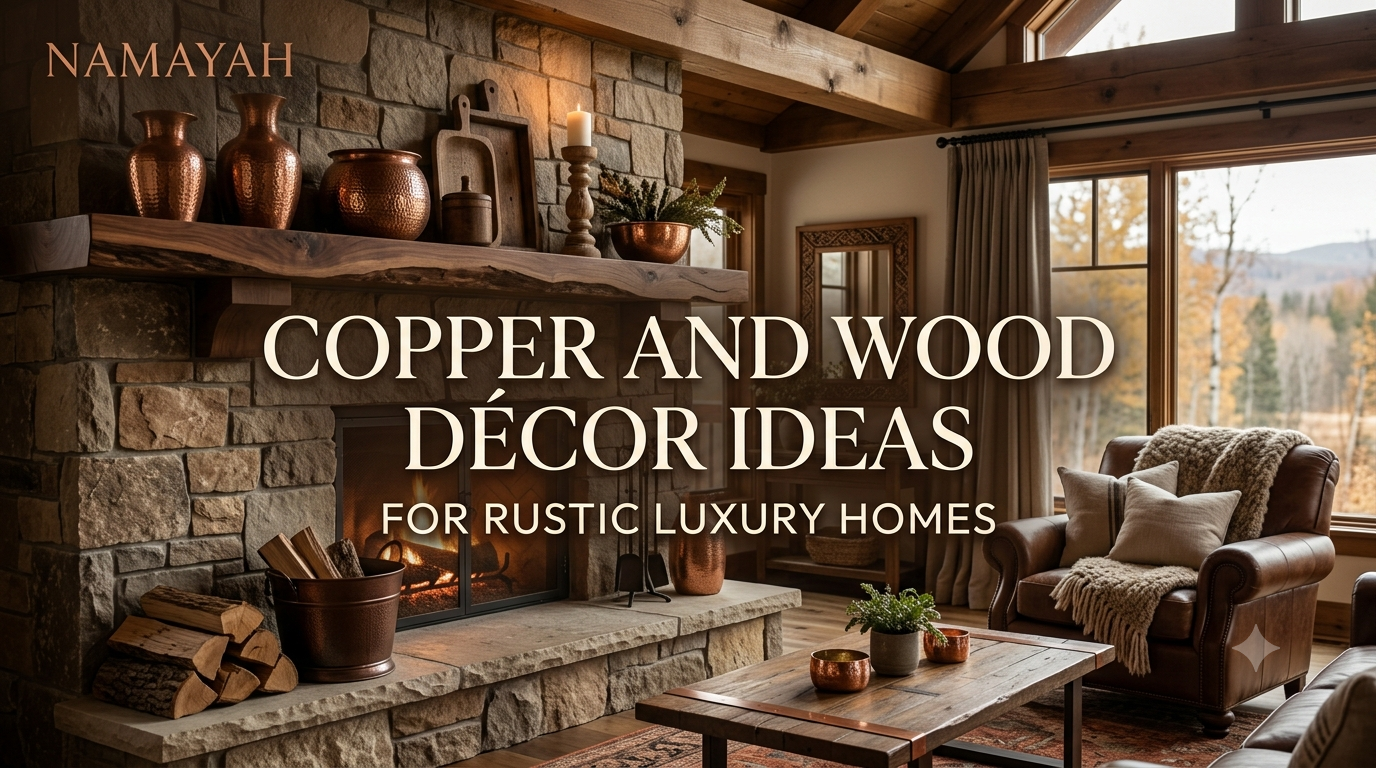
Rustic luxury is about creating a home that feels warm, refined, and connected to natural materials. Copper and wood décor can achieve that balance particularly well. Wood brings organic texture and visual warmth, while copper adds subtle shine, color, and an aged character that can make rustic spaces feel more sophisticated.
The key is restraint. Instead of covering every surface with copper or using only heavily distressed wood, combine a few strong material moments with softer textiles, neutral colors, and carefully chosen furniture. The result can feel elegant without losing the relaxed character that makes rustic interiors appealing.
Why Copper and Wood Work So Well Together
Copper and wood create an appealing contrast because they offer different visual qualities.
Wood is naturally tactile and grounding. Depending on the species and finish, it can look rugged, refined, light, dark, smooth, or weathered. Copper, meanwhile, introduces a metallic element that catches light and creates a focal point.
Together, they can provide:
- Warmth: Both materials have naturally warm visual qualities.
- Texture: Wood adds grain and depth, while copper contributes a smooth or hammered surface.
- Contrast: The difference between organic wood and reflective metal keeps a room visually interesting.
- Character: Aged copper can complement reclaimed or weathered wood particularly well.
- Versatility: The combination can work in kitchens, living rooms, bedrooms, dining spaces, and entryways.
For a luxury interpretation, think of copper as an accent rather than the dominant material. Let quality wood furniture, architectural details, and natural fabrics establish the foundation.
Choose the Right Wood for a Luxury Rustic Look
The wood you choose can dramatically change the mood of a room.
Reclaimed Wood
Reclaimed wood works well when you want authenticity and visible character. Its knots, grain variations, and imperfections can provide an appealing rustic foundation.
Use it for:
- Accent walls
- Ceiling beams
- Shelving
- Console tables
- Dining tables
- Fireplace surrounds
Because reclaimed wood can have a strong visual presence, balance it with simpler furnishings and refined metal details.
Oak
Oak offers a more timeless appearance. Its recognizable grain can provide warmth without necessarily making a room look heavily rustic.
Consider oak for:
- Flooring
- Cabinets
- Dining furniture
- Bed frames
- Built-in shelving
A medium or natural finish can be particularly useful when you want the space to feel both comfortable and polished.
Walnut
For a darker, more sophisticated atmosphere, walnut can provide rich visual depth. Its darker tones pair naturally with copper accents and neutral upholstery.
Walnut can work particularly well for statement furniture, such as a dining table, sideboard, coffee table, or bedroom furniture.
Mixing Wood Tones
You do not necessarily need every wooden element to match perfectly. A carefully controlled mix of tones can make a rustic luxury interior feel layered.
A useful approach is to choose one dominant wood tone and introduce one or two complementary shades through furniture or accessories.
Select Copper Finishes That Feel Sophisticated
Copper does not always have to look bright and polished.
Polished Copper
Polished copper offers the strongest shine. It can be useful for pendant lights, kitchen hardware, vessels, and decorative objects.
Because it is visually prominent, use it selectively.
Brushed Copper
Brushed or satin finishes tend to look softer and more understated. They can be useful when you want the warmth of copper without a highly reflective surface.
Aged or Patinated Copper
Patinated copper can be an excellent choice for rustic interiors because its changing surface character complements natural materials.
Use aged copper for:
- Decorative trays
- Wall panels
- Fireplace details
- Planters
- Lighting fixtures
- Architectural accents
The most important consideration is consistency. If you combine several copper pieces, their finishes should feel intentionally related rather than randomly collected.
Create a Copper and Wood Living Room
The living room is one of the easiest places to introduce this material combination.
Start with a substantial wooden coffee table or a wooden side table. Then introduce copper through a pendant light, table lamp, decorative bowl, or fireplace detail.
For upholstery, consider:
- Linen
- Cotton
- Wool
- Leather
- Bouclé or other textured fabrics
A neutral sofa can allow the wood and copper to become supporting design elements rather than competing focal points.
Idea: Wooden Coffee Table + Copper Lighting
A large natural-wood coffee table can anchor the room. Above it, a copper pendant or nearby copper floor lamp can introduce vertical contrast and metallic warmth.
Complete the look with woven baskets, neutral cushions, textured rugs, and a few carefully selected decorative objects.
Add Copper and Wood to the Kitchen
Copper and wood are especially effective in kitchens because both materials can contribute warmth to what can otherwise be a highly functional space.
Try combining:
- Wooden cabinetry with copper hardware
- A wood island with copper pendant lights
- Open wooden shelving with copper cookware
- A wood dining area with copper lighting
- Natural wood stools with subtle metal details
If you already have extensive wooden cabinetry, you do not need many additional wood elements. Instead, use copper as the contrasting material.
For a more contemporary rustic look, pair natural wood with simple cabinetry, stone surfaces, and a limited number of copper accents.
Design a Warm Rustic Luxury Bedroom
Bedrooms benefit from softer versions of rustic materials.
A wooden bed frame can become the primary statement piece. Add copper through bedside lamps, small decorative objects, mirror frames, or hardware.
Keep the rest of the palette calm with:
- Cream
- Warm white
- Beige
- Taupe
- Soft brown
- Muted green
- Charcoal
Avoid excessive metallic shine in the bedroom. Aged or brushed copper can create warmth without making the room feel overly formal.
Idea: Wood Bed + Copper Bedside Lamps
Pair a substantial wooden headboard with matching or coordinated copper bedside lamps. Add linen bedding and a textured wool or woven throw to soften the harder materials.
The combination creates contrast while maintaining a relaxed atmosphere.
Use Copper and Wood in the Dining Room
A large wooden dining table is a natural centerpiece for a rustic luxury dining room.
You can introduce copper through:
- Pendant lights
- Candleholders
- Serving pieces
- Centerpiece vessels
- Decorative trays
- Cabinet hardware
A row of copper pendants above a long wood dining table can create a particularly strong visual connection between the two materials.
Keep the surrounding furniture relatively simple so the table and lighting remain the main features.
Elevate the Entryway With Natural Materials
The entryway establishes the design language for the rest of the home.
A wooden console table can provide a natural foundation. Above it, consider a copper-framed mirror or wall-mounted light fixture.
Complete the arrangement with a small number of objects rather than filling the surface.
For example:
- Place a wooden console against the wall.
- Hang a copper-framed mirror above it.
- Add one ceramic or stone vessel.
- Introduce a small plant or branch arrangement.
- Use a textured runner underneath.
This approach gives the entryway a curated appearance without making it feel staged.
Try Copper and Wood Lighting
Lighting is one of the most effective ways to combine these materials because fixtures naturally become decorative features.
Consider:
- Copper pendant lights
- Wood-and-metal chandeliers
- Copper wall sconces
- Wooden table lamps
- Copper floor lamps
- Fixtures with timber and aged-metal details
The scale matters. A large copper pendant can become a statement feature above a kitchen island or dining table, while smaller fixtures may work better beside a bed or sofa.
Warm lighting can also emphasize the natural tones of both wood and copper.
Add Smaller Copper and Wood Accents
You do not need major renovations to introduce the look.
Start with smaller pieces such as:
- Wooden picture frames
- Copper trays
- Wood-and-copper clocks
- Decorative bowls
- Small copper planters
- Wooden candleholders
- Copper vases
- Floating wooden shelves
- Mixed-material mirrors
This is also an effective approach if you are experimenting with rustic luxury for the first time.
Choose a few accents that repeat the same visual language rather than buying many unrelated pieces.
Balance Texture, Color, and Shine
The biggest styling challenge is preventing copper and wood from becoming visually heavy.
Use the 70/20/10 approach as a flexible styling guide:
- 70%: Main neutral or natural foundation
- 20%: Wood and other substantial textures
- 10%: Copper and smaller accent materials
This is not a strict interior-design formula. It is simply a useful way to think about visual balance.
Soft materials can also prevent the harder surfaces from dominating. Add rugs, curtains, upholstered furniture, cushions, throws, and natural textiles.
Common Mistakes to Avoid
Using Too Much Copper
Copper is naturally noticeable. Covering multiple major surfaces in bright copper can overwhelm a room.
Use it strategically around focal points.
Choosing Only Dark Wood
Very dark wood throughout a room can make a space feel visually dense. Introduce lighter textiles, pale walls, natural stone, or lighter wood tones where appropriate.
Mixing Too Many Metal Finishes
Copper can coexist with other metals, but too many finishes can make the design look unplanned.
If you introduce brass, black metal, chrome, or another finish, give each one a clear purpose.
Making Everything Look Rustic
Luxury often comes from contrast. Pair rustic materials with refined upholstery, elegant lighting, clean silhouettes, and uncluttered surfaces.
Ignoring Scale
A tiny copper accent may disappear beside a massive wooden fireplace, while an oversized copper fixture can dominate a small room.
Match the scale of each material to the size and architecture of the space.
How to Build a Cohesive Rustic Luxury Palette
Color plays an important role in making copper and wood feel intentional.
A warm neutral palette can include:
| Base Color | Wood Direction | Copper Finish | Supporting Accent |
|---|---|---|---|
| Warm white | Natural oak | Brushed copper | Olive green |
| Cream | Medium oak | Aged copper | Beige |
| Taupe | Walnut | Darkened copper | Charcoal |
| Soft gray | Reclaimed wood | Patinated copper | Natural linen |
| Sand | Light wood | Polished copper | Deep brown |
The goal is not to use every color. Select a base, one dominant wood family, and a copper finish that supports the overall mood.
FAQs About Copper and Wood Décor
Is copper good for rustic interior design?
Yes. Copper can complement rustic interiors because its warm metallic tones work naturally with wood, stone, leather, and other tactile materials. Aged, brushed, or patinated copper can create a particularly relaxed appearance.
What type of wood looks best with copper?
Oak, walnut, reclaimed wood, and other natural wood finishes can work well with copper. The best choice depends on the desired mood, surrounding colors, lighting, and architecture.
Can copper and wood work in a modern home?
Yes. The combination does not have to look traditionally rustic. Pair clean-lined wooden furniture with simple copper lighting or hardware for a more contemporary interpretation.
How can I add copper without making a room look too metallic?
Use copper selectively. A pendant light, mirror frame, lamp, tray, or small decorative object can be enough to introduce the material without overwhelming the room.
Does copper work with dark wood?
Yes. Dark wood such as walnut can create a rich backdrop for copper. Balance the combination with lighter fabrics, neutral walls, or natural textures to keep the room from feeling too heavy.
What colors complement copper and wood?
Warm whites, creams, beige, taupe, olive, muted green, charcoal, and earthy browns can complement copper and wood. The ideal combination depends on the specific wood tone and copper finish.
Is reclaimed wood too rustic for a luxury home?
Not necessarily. Reclaimed wood can provide character and authenticity. To make it feel more luxurious, combine it with refined furniture, quality textiles, sophisticated lighting, and uncluttered styling.
Should copper hardware match every copper fixture?
Not necessarily. Exact matching can create a coordinated appearance, but related copper tones can also work. The key is to make differences look intentional rather than accidental.
Conclusion
Copper and wood décor can give rustic luxury homes a distinctive balance of warmth, texture, and refinement. Wood should generally provide the foundation, while copper works best as a carefully controlled accent that adds visual interest and warmth.
Start with the architecture and major furniture pieces. Choose a dominant wood tone, select a complementary copper finish, and then layer in lighting, hardware, furniture, textiles, and accessories. The most successful spaces usually combine rustic character with enough simplicity and refinement to keep the overall design elegant.