
Complete Guide to Brass Home Accessories
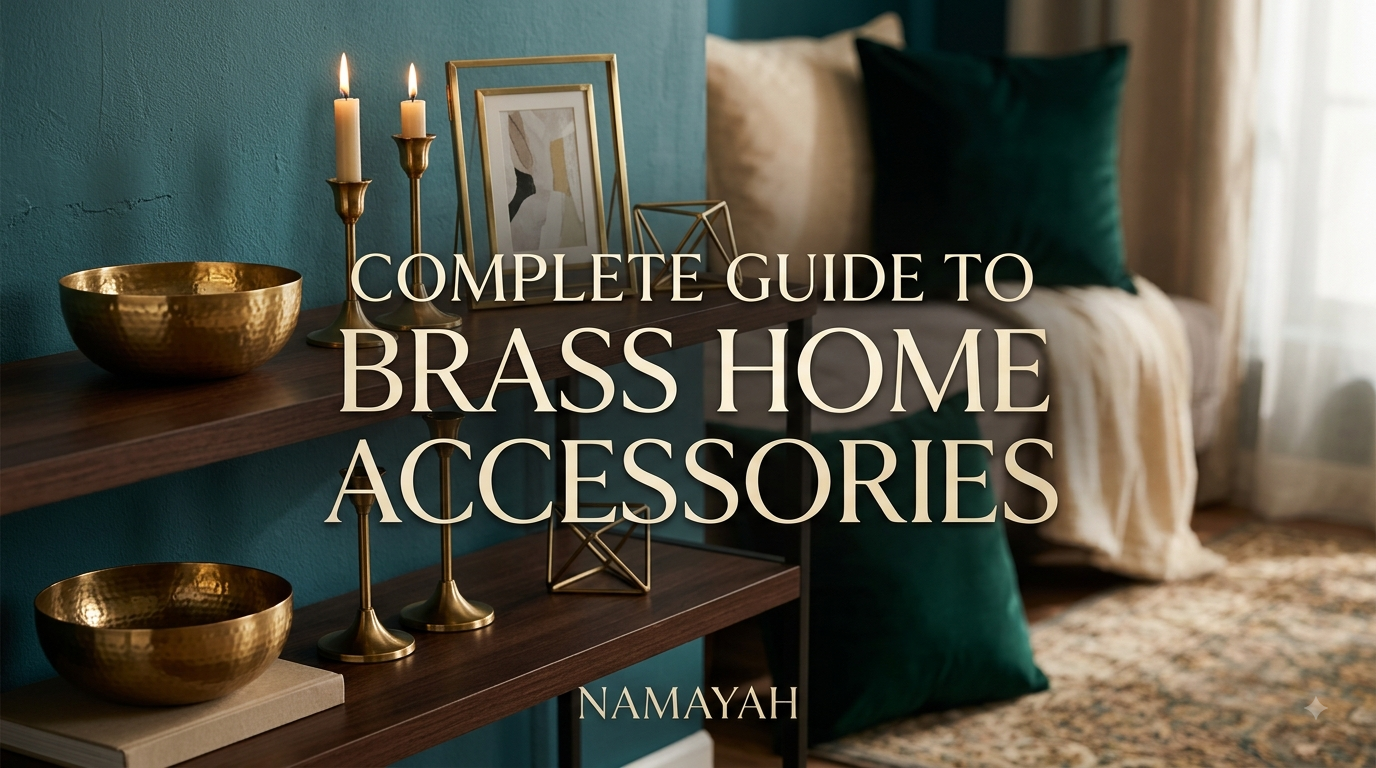
Brass home accessories can add warmth, character, and a refined metallic accent to almost any interior. From candle holders and trays to cabinet hardware, lamps, vases, mirrors, and decorative objects, brass works as both a practical material and a design feature.
The key is balance. A few carefully chosen brass pieces can make a room feel layered and polished, while too many matching gold-toned objects can make the space feel busy. The best approach is to select pieces that complement your furniture, lighting, colors, and overall interior style.
Why Brass Works So Well in Home Décor
Brass has a naturally warm appearance that can make interiors feel more inviting. Unlike cooler metals, its golden undertone works particularly well with wood, stone, glass, textiles, and earthy colors.
Brass is also versatile. Depending on its finish and shape, it can look:
- Traditional and ornate
- Vintage and collected
- Modern and minimalist
- Industrial
- Contemporary
- Eclectic
- Classic
Current home décor coverage continues to emphasize warmer, more intentional materials and curated accents rather than filling rooms with generic decorative objects. Brass can fit this approach when used selectively and paired with materials that give the room texture and contrast.
Types of Brass Home Accessories
There are many ways to introduce brass into a home. The right choice depends on whether you want a decorative accent, a functional upgrade, or both.
Decorative Accessories
Popular decorative options include:
- Brass vases
- Decorative bowls
- Trays
- Sculptures
- Picture frames
- Figurines
- Candle holders
- Planters
- Boxes
- Wall décor
- Clocks
A brass tray, for example, can organize objects on a coffee table while also acting as a visual anchor. A small vase or sculpture can provide a metallic accent without requiring a major change to the room.
Lighting and Candle Accessories
Brass is especially effective around lighting because its warm finish complements soft illumination.
Consider:
- Brass table lamps
- Wall sconces
- Pendant lights
- Candle holders
- Lanterns
- Decorative diyas
- Picture lights
In Indian interiors, brass lamps and diyas can also connect contemporary spaces with traditional décor. Modern Indian décor sources increasingly position handcrafted brass pieces as accents that can work alongside contemporary furniture rather than only in traditionally styled rooms.
Hardware and Functional Accessories
You do not have to use brass only as decoration. Hardware can introduce the material in subtle ways.
Options include:
- Cabinet knobs
- Drawer pulls
- Door handles
- Hooks
- Shelf brackets
- Hinges
- Towel rails
- Curtain hardware
- Switch plates
- Door knockers
Functional brass accessories can be particularly effective because they repeat the material naturally throughout a space. Brass hardware collections commonly include hooks, brackets, latches, hinges, and related architectural fittings.
How to Choose Brass Accessories
Before buying, consider four factors: style, finish, scale, and function.
1. Match the Interior Style
A heavily ornamented antique brass object may look out of place in an ultra-minimalist room. Likewise, a highly polished contemporary piece may not complement a rustic or heritage-inspired interior.
Choose the shape as carefully as the material.
2. Consider the Finish
The word “brass” covers several visual treatments. Polished brass is bright and reflective, while brushed or satin brass has a softer appearance. Antique finishes create a more aged, traditional effect.
3. Check the Scale
A large brass sculpture can become the focal point of a room. A small tray or candle holder works more like an accent.
Use larger pieces where you want attention and smaller accessories where you want subtle repetition.
4. Think About Function
Whenever possible, choose pieces that have a purpose. A brass tray can organize a table, hooks can improve entryway storage, and cabinet hardware can refresh furniture without replacing it.
Brass Finishes Explained
Polished Brass
Polished brass has a bright, reflective appearance. It can work well in glamorous, traditional, or contemporary spaces.
Use it when you want brass to stand out.
Brushed or Satin Brass
This finish has a softer appearance and generally feels less flashy than highly polished brass.
It is useful for:
- Kitchen hardware
- Bathroom fittings
- Cabinet pulls
- Lighting
- Modern interiors
Antique Brass
Antique brass is designed to look aged or traditionally finished. It works especially well with vintage furniture, darker wood, traditional textiles, and heritage-inspired interiors.
Unlacquered Brass
Unlacquered brass can naturally change appearance as it is exposed to air and handling. This developing patina can be part of its appeal, although it also means the finish may not remain uniformly bright.
When shopping, check the manufacturer’s description rather than assuming that every gold-colored item is solid or unlacquered brass.
How to Style Brass in Every Room
Living Room
Start with one or two noticeable accents.
Try a:
- Brass coffee-table tray
- Table lamp
- Candle holder
- Decorative bowl
- Mirror frame
- Small sculpture
Pair brass with wood, linen, leather, marble, or stone for contrast.
Bedroom
Brass can make a bedroom feel warmer without becoming overly decorative.
Good options include brass bedside lamps, picture frames, drawer pulls, curtain hardware, or a small decorative tray.
For a calm bedroom, combine brass with neutral fabrics such as cream, beige, taupe, gray, or muted earth tones.
Kitchen
Kitchen hardware is one of the easiest ways to introduce brass.
Consider replacing selected cabinet knobs or pulls rather than adding numerous decorative objects. Brass can also appear through lighting, shelving brackets, faucets, or small serving accessories.
The goal is consistency. If brass is already used prominently in the hardware, additional brass accessories should complement rather than compete with it.
Bathroom
In bathrooms, brass can appear through:
- Towel hooks
- Cabinet hardware
- Mirrors
- Lighting
- Shelving brackets
- Faucets and fittings
Because bathrooms often contain hard surfaces, a warm metallic finish can add visual softness.
Entryway
The entryway is a good place for smaller brass details.
Try a brass:
- Door knocker
- Key tray
- Mirror frame
- Hook
- Console-table accessory
- Small lamp
These details can create a deliberate first impression without requiring a complete redesign.
Dining Room
Brass works naturally around dining spaces.
Use brass candle holders, serving trays, napkin rings, bowls, or a centerpiece. Indian interiors can also incorporate traditional brass serveware and decorative pieces alongside contemporary dining furniture.
How to Mix Brass With Other Metals
You do not necessarily need every metal in a room to match.
Brass can work with:
- Black metal
- Stainless steel
- Chrome
- Nickel
- Bronze
- Copper
The trick is to make the combination look intentional.
For example, brass cabinet hardware can coexist with black lighting fixtures if another element in the room visually connects the two. Instead of introducing several unrelated finishes, repeat each major metal enough to make it feel deliberate.
Brass and Different Interior Styles
Modern
Choose simple silhouettes, satin finishes, and minimal ornamentation.
Traditional
Antique brass, decorative frames, candle holders, and detailed hardware can complement classic furniture.
Industrial
Try brass against black metal, exposed materials, brick, concrete, or dark wood.
Minimalist
Use fewer pieces and make each one count. A single brass lamp or carefully selected tray may be enough.
Eclectic
Brass works particularly well with collected objects, artwork, vintage furniture, textiles, and contrasting materials.
Solid Brass vs Brass-Plated Accessories
One of the most important purchasing questions is whether an item is solid brass or brass-plated.
Solid brass means the primary material is brass, while brass-plated generally means another base material has a brass-colored layer applied to its surface.
Neither is automatically the right choice for every situation. Your decision should depend on:
- Intended use
- Budget
- Expected wear
- Desired longevity
- Finish requirements
- Manufacturer specifications
For frequently handled hardware, construction and finish quality deserve particular attention. For a purely decorative object, appearance and craftsmanship may matter more than the underlying construction.
How to Clean and Care for Brass
Brass care depends on the finish, so always follow the manufacturer’s instructions first.
For general maintenance:
- Dust brass regularly with a soft cloth.
- Keep the surface dry.
- Avoid abrasive scrubbers that can scratch the finish.
- Do not assume every brass item should be polished.
- Test any cleaning method on an inconspicuous area first.
- Follow specific care instructions for lacquered, plated, or unlacquered pieces.
Some brass accessories are intentionally designed to develop patina. Aggressive polishing can remove that aged appearance, so decide whether you want your item to remain bright or develop character over time.
Care guidance commonly recommends soft, non-abrasive cleaning and avoiding harsh chemicals or excessive moisture.
Common Brass Décor Mistakes
Using Too Much Brass
A room does not need brass everywhere to feel sophisticated. Too many similar accessories can create visual clutter.
Mixing Unrelated Finishes
Different brass finishes can work together, but randomly combining several gold tones may look accidental.
Ignoring Scale
Small accessories disappear in a large room, while oversized metallic objects can dominate a small space.
Choosing Appearance Over Quality
A shiny finish does not necessarily mean better construction. Look at the material, weight, craftsmanship, finish, and intended use.
Making Everything Match
A coordinated room does not have to look like a showroom. Mixing brass with wood, glass, stone, fabric, and other metals usually creates a more layered result.
Recent interior-design advice similarly favors curated, meaningful pieces over excessive decorative clutter.
How to Create a Cohesive Brass Look
A simple approach is to build your room around three levels of brass accents:
Primary accent: Choose one noticeable brass element, such as lighting, a mirror, or hardware.
Secondary accents: Add two or three smaller pieces, such as a tray, candle holder, or vase.
Subtle repetition: Repeat the finish in a few minor details, such as picture frames or cabinet pulls.
This creates continuity without making every object metallic.
Also remember to balance brass with non-metallic materials. Wood adds natural warmth, glass adds lightness, stone adds texture, and textiles prevent the room from feeling overly hard or reflective.
Frequently Asked Questions
Are brass home accessories still in style?
Yes. Brass continues to appear in contemporary, traditional, vintage, and eclectic interiors. Its appeal comes from its warmth and versatility rather than its association with one specific design trend. Current décor coverage also shows continued interest in warm metallic accents and brass hardware.
What are the best brass home accessories for beginners?
Start with versatile pieces such as a tray, candle holder, small vase, picture frame, lamp, or cabinet hardware. These let you introduce brass without committing to a large statement piece.
Does brass look good with wood?
Yes. Wood and brass are a particularly effective combination because wood provides a natural, tactile contrast to brass’s metallic surface.
Can I mix brass with black?
Yes. Brass and black can create a strong contemporary or industrial combination. Repeat both finishes thoughtfully so they feel connected rather than random.
How do I prevent brass from looking outdated?
Avoid automatically matching every brass item. Use contemporary shapes, combine brass with modern materials, and keep decorative pieces purposeful.
Is solid brass better than brass-plated?
It depends on the application. Solid brass may be preferable for pieces where material durability and long-term use are important, while brass-plated products can provide the visual effect at a different price point.
Does brass tarnish?
Brass can change appearance over time, particularly when its surface is exposed to air, moisture, handling, and other environmental factors. The speed and appearance of that change depend on the alloy, finish, and conditions.
How often should brass accessories be cleaned?
There is no universal schedule. Dust and wipe them as needed, while deeper cleaning should depend on the item’s finish and the manufacturer’s care instructions.
Final Thoughts
Brass home accessories are an effective way to add warmth, detail, and personality without redesigning an entire room. The best results come from choosing pieces that suit the space, mixing brass with contrasting materials, and using repetition without excessive matching.
Start small if you are unsure. A brass tray, lamp, mirror, candle holder, or set of cabinet pulls can introduce the material gradually. From there, you can build a cohesive look based on your home’s existing colors, textures, furniture, and architectural details.
The goal is not to fill your home with brass. It is to use brass intentionally so that every piece contributes to the room.