
Choosing Premium Copper Products: A Complete Guide
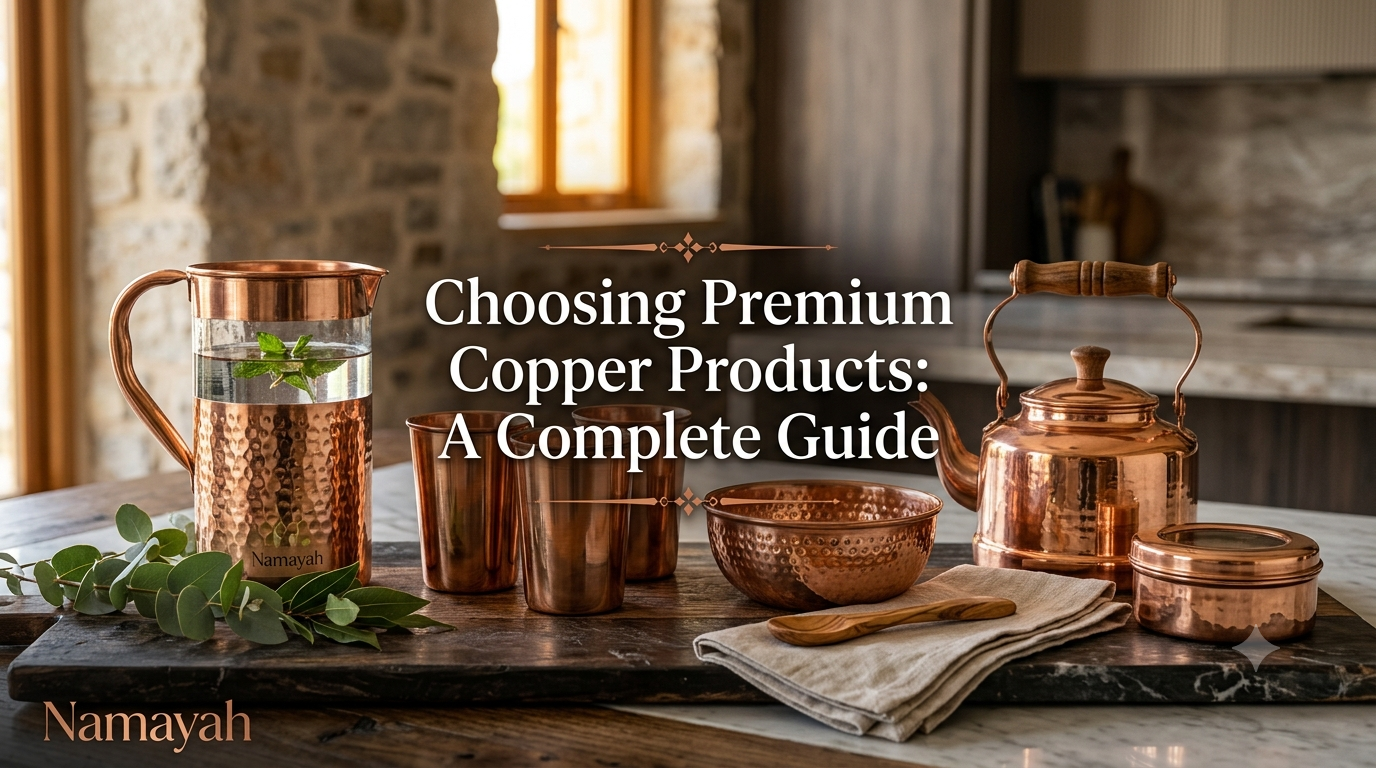
Copper has been valued for thousands of years because of its beauty, durability, and versatility. Whether you’re purchasing elegant kitchenware, decorative pieces, electrical components, or industrial materials, Choosing Premium Copper Products: A Complete Guide will help you make informed decisions that deliver long-term value.
Premium copper products often outperform cheaper alternatives in durability, appearance, and performance. While they may require a higher upfront investment, their lifespan and reliability frequently make them the smarter purchase.
Why Premium Copper Products Matter
High-quality copper isn’t just about appearance. Premium copper products provide superior strength, better corrosion resistance, improved conductivity, and excellent craftsmanship.
Benefits include:
- Longer service life
- Better heat conductivity
- Higher electrical conductivity
- Attractive natural finish
- Increased resale value
- Lower maintenance costs
Choosing premium materials also reduces replacement expenses over time.
Understanding Copper Grades
Copper comes in various grades depending on purity and intended use.
Common Copper Grades
| Grade | Purity | Common Uses |
|---|---|---|
| C101 | 99.99% | Electrical applications |
| C110 | 99.90% | Plumbing, cookware |
| C122 | High purity | Water pipes |
| Brass | Copper + Zinc | Decorative hardware |
| Bronze | Copper + Tin | Marine equipment |
Understanding these grades helps ensure you purchase the right product for your needs.
Pure Copper vs Copper Alloys
Pure copper provides exceptional conductivity and corrosion resistance.
Copper alloys, such as brass and bronze, offer:
- Greater strength
- Improved hardness
- Different colors
- Specialized industrial performance
Choose pure copper when conductivity is the priority and alloys when additional strength is required.
Benefits of High-Quality Copper
Exceptional Durability
Premium copper products can last for decades with proper care.
Unlike lower-quality materials, genuine copper withstands:
- Daily wear
- Temperature fluctuations
- Moisture exposure
- Heavy usage
Excellent Corrosion Resistance
Copper naturally forms a protective layer called a patina.
This layer:
- Prevents deeper corrosion
- Extends product lifespan
- Creates a distinctive appearance
- Requires minimal intervention
Outstanding Conductivity
Copper remains one of the world’s best conductors of electricity and heat.
Industries rely on premium copper for:
- Electrical wiring
- Electronics
- Renewable energy systems
- HVAC equipment
Types of Premium Copper Products
Kitchenware
Premium copper cookware is favored by chefs because it:
- Heats quickly
- Cools rapidly
- Provides even cooking temperatures
- Offers precise temperature control
Common products include:
- Frying pans
- Saucepans
- Stock pots
- Copper mugs
- Water bottles
Home Décor
Copper adds warmth and elegance to interior spaces.
Popular decorative items include:
- Wall art
- Lighting fixtures
- Candle holders
- Vases
- Furniture accents
Industrial Copper Products
Industrial sectors use premium copper for:
- Electrical cables
- Busbars
- Transformers
- Plumbing systems
- Manufacturing equipment
Its high conductivity and durability make it indispensable.
Key Features to Look For
1. Purity
Higher purity generally means better performance.
Look for:
- Material specifications
- Manufacturer documentation
- Product certifications
2. Craftsmanship
Quality workmanship includes:
- Smooth finishes
- Uniform thickness
- Strong joints
- Precision manufacturing
Poor craftsmanship often shortens product life.
3. Surface Finish
Premium copper finishes include:
- Polished
- Brushed
- Hammered
- Antique
- Natural patina
Choose a finish that suits both function and aesthetics.
4. Certifications
Reliable manufacturers often provide quality certifications that verify material standards and manufacturing practices.
How to Identify Genuine Copper
Here are several ways to identify authentic copper products:
Visual Inspection
Real copper displays a warm reddish-orange color.
Magnet Test
Copper is non-magnetic.
If a strong magnet sticks firmly, the item may contain steel beneath a thin copper coating.
Weight
Copper feels relatively heavy for its size.
Patina Formation
Over time, authentic copper develops a natural patina, especially when exposed to moisture and air.
Common Mistakes Buyers Make
Avoid these common errors:
- Buying solely based on price
- Ignoring material specifications
- Overlooking warranty information
- Purchasing from unknown sellers
- Confusing copper-plated products with solid copper
- Neglecting maintenance requirements
Research before purchasing can prevent costly mistakes.
Maintenance and Care Tips
Copper is easy to maintain with proper care.
Cleaning
Use:
- Warm water
- Mild soap
- Soft cloth
Avoid abrasive cleaners that can scratch the surface.
Polishing
If you prefer a shiny finish, use a copper-specific polish according to the manufacturer’s directions.
Storage
Store copper items in a dry environment to minimize unwanted tarnishing.
Sustainability and Environmental Benefits
Copper is among the most recyclable metals in the world.
Environmental advantages include:
- 100% recyclable without losing quality
- Long lifespan reduces waste
- Supports circular manufacturing
- Conserves natural resources through recycling
These qualities make copper a strong choice for environmentally conscious buyers.
Price vs Value
Premium copper products generally cost more upfront, but they often provide greater value through:
- Longer lifespan
- Better performance
- Lower replacement costs
- Enhanced appearance
- Higher reliability
Instead of focusing only on the purchase price, consider the total cost of ownership over the product’s lifetime.
Where to Buy Premium Copper Products
Purchase from reputable manufacturers, authorized dealers, or well-reviewed retailers. Before buying:
- Verify product specifications.
- Check warranty and return policies.
- Read customer reviews.
- Compare craftsmanship, not just price.
- Confirm whether the item is solid copper or copper-plated.
For general information about copper and its properties, visit the Copper Development Association.
Frequently Asked Questions
1. Are premium copper products worth the higher price?
Yes. Higher-quality copper products often last longer, perform better, and require fewer replacements, making them a better long-term investment.
2. How can I tell if a product is solid copper?
Look for product specifications, perform a magnet test, check the weight, and purchase from reputable sellers who clearly state the material composition.
3. Does copper require frequent maintenance?
Not necessarily. Routine cleaning with mild soap and water is usually sufficient. Whether you polish away the patina is largely a matter of personal preference.
4. Is copper safe for everyday use?
Copper is widely used in plumbing, cookware, and decorative items. Follow the manufacturer’s instructions for any product that comes into contact with food or beverages.
5. Why does copper change color over time?
Exposure to air and moisture causes copper to develop a natural patina, which helps protect the underlying metal from further corrosion.
6. What should I prioritize when buying premium copper products?
Focus on material purity, craftsmanship, intended use, finish quality, warranty, and the reputation of the manufacturer or retailer.
Conclusion
Choosing premium copper products is about more than selecting an attractive metal—it’s about investing in quality, durability, and long-term performance. By understanding copper grades, recognizing authentic materials, evaluating craftsmanship, and maintaining your products properly, you can make purchases that deliver lasting value. Whether you’re outfitting a kitchen, upgrading your home’s décor, or sourcing materials for industrial applications, informed decisions will help you enjoy the many benefits that premium copper has to offer.