
Caring for Wooden Home Decor: Tips for Lasting Beauty
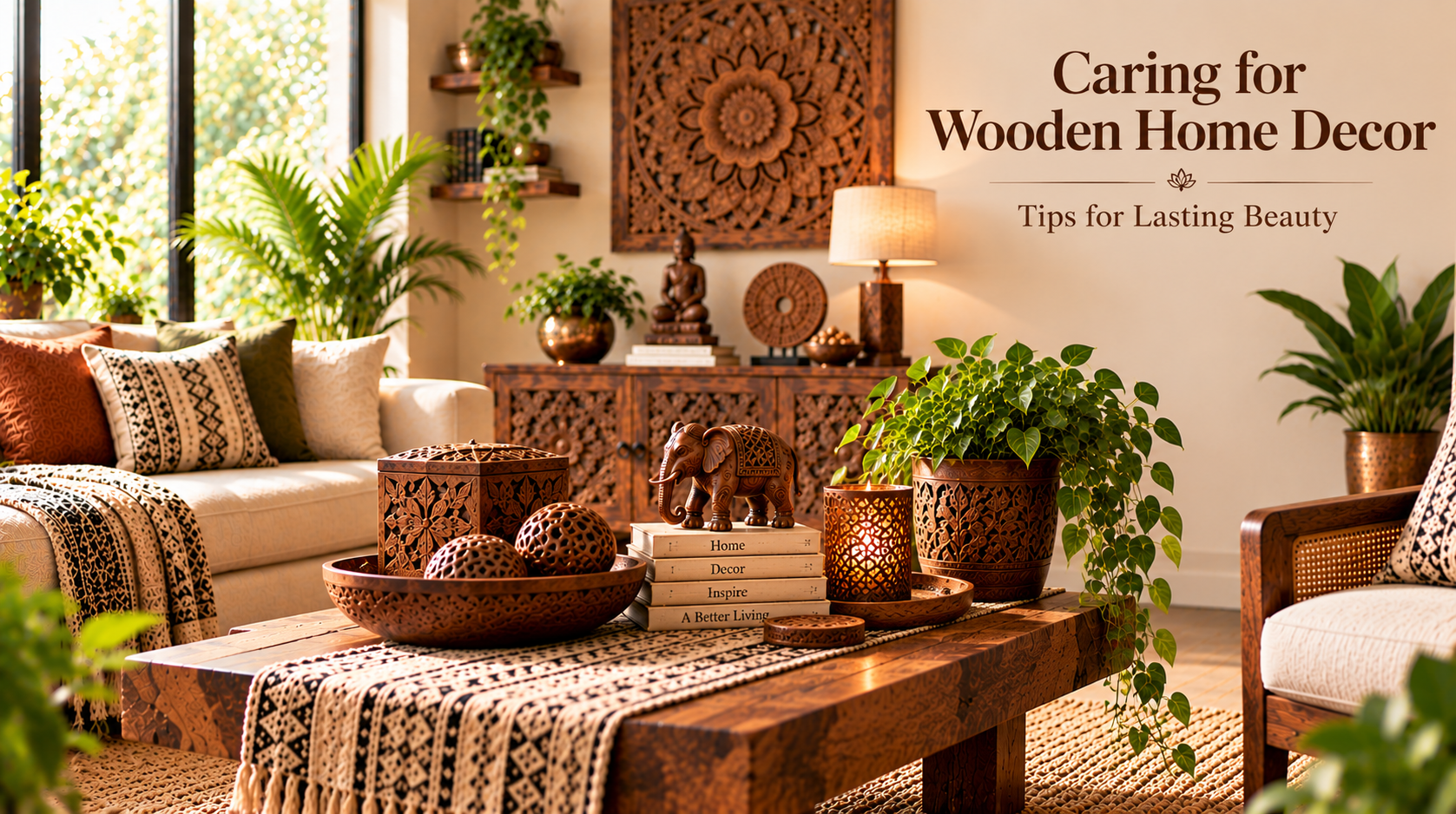
Caring for wooden home decor is an essential practice for anyone who values the warmth and longevity of artisan craftsmanship. Wood is a living material, and when you bring handcrafted pieces into your home, you are inviting nature inside. To preserve the rich grains and structural integrity of your items, you must provide consistent care and attention. Whether you own intricate carvings or functional kitchen tools, the right maintenance routine ensures these treasures remain beautiful for generations. By understanding the specific needs of natural timber, you can protect your investment and maintain that elegant, artisanal aesthetic.
Understanding Wood as a Natural Material
The Living Nature of Timber
Wood remains responsive to its environment long after it has been fashioned into decor. Because it is a porous, organic material, it constantly interacts with the humidity and temperature of your home. Therefore, sudden fluctuations can lead to expansion or contraction, which might cause warping or cracking if left unmonitored. Understanding these basic physical properties is the first step in caring for wooden home decor effectively.
Environmental Factors Affecting Wood
Sunlight and moisture represent the two greatest challenges to your wooden items. Excessive exposure to direct sunlight can bleach the natural hues of the wood over time, leading to a faded appearance. Similarly, extremely dry air can suck the moisture out of the wood fibers, making them brittle. Conversely, excessive humidity can encourage mold growth or cause the item to swell. Therefore, placing your decorative wooden items away from heat vents and direct windows is a smart strategy to preserve their finish.
Routine Cleaning Methods
Dusting and Surface Maintenance
Regular dusting is the foundation of keeping your wood looking its best. Use a soft, lint-free microfiber cloth to remove dust buildup, which can act as an abrasive if left to accumulate. For deeper cleaning, dampen the cloth slightly with distilled water and wipe the surface gently. Never soak the wood or use harsh chemical sprays that contain ammonia, as these can strip away the natural oils and damage the finish. If you want to learn more about our commitment to sustainable artisan processes, please visit our story.
Removing Stubborn Grime
Occasionally, wooden items may require a more thorough cleaning, especially if they are used in high-traffic areas. For these instances, use a very mild solution of dish soap and warm water. Ensure you wring the cloth out until it is barely damp to avoid water damage. Wipe the piece down, then immediately buff it dry with a clean, soft cloth. According to guidelines from the Smithsonian Institution, consistent but gentle cleaning is preferred over infrequent, harsh treatments.
Deep Conditioning and Protection
Applying Natural Oils
Wood requires regular hydration to stay supple and prevent cracking. Food-safe mineral oil or natural beeswax are excellent choices for conditioning your items. Apply a small amount of oil to a soft rag and rub it into the wood following the direction of the grain. Allow the wood to absorb the oil for about twenty minutes before buffing off any excess. This simple process replenishes the wood’s internal moisture, keeping it vibrant and protected against environmental stress.
Waxing for a Protective Barrier
For items that are purely decorative, a high-quality furniture wax can provide an extra layer of protection against dust and moisture. Wax creates a hard, clear barrier that prevents airborne particles from settling deep into the wood pores. You should apply wax sparingly and buff it to a soft sheen. This not only enhances the natural beauty of the wood grain but also makes future dusting much easier. For more insights on maintaining your interior aesthetic, explore our luxury living guide.
Preventing Common Damages
Avoiding Scratches and Dents
Though wood is durable, it is not indestructible. Avoid placing heavy, sharp, or abrasive items directly on your wooden surfaces. If you have wooden coasters or trays, consider using felt pads underneath them to prevent scratches. Prevention is far easier than repair, so being mindful of how you interact with your decor daily will save you significant effort in the long run. Professional organizations like The Wood Database emphasize that proper handling is just as important as chemical maintenance.
Dealing with Spills and Stains
Accidents happen, and when they do, immediate action is necessary. If a liquid spills on your wooden home decor, wipe it up immediately with a dry cloth. Do not let water or other liquids sit on the surface, as this can penetrate the finish and cause permanent water rings or stains. If a spill is oily, you may need a specialized wood cleaner, but always test it on an inconspicuous area first to ensure it does not discolor the finish.
Seasonal Care Routines
Adapting to Climate Changes
Your wood care routine should shift with the changing seasons. During winter, when indoor heating is running, the air becomes significantly drier. In these months, you may find that your wooden pieces need more frequent oiling to stay hydrated. Conversely, in humid summer months, you might need to ensure good air circulation around your pieces to prevent dampness. By staying proactive, you manage the wood’s health throughout the year.
The Importance of Storage
If you need to store your wooden items for an extended period, treat them with care. Wrap pieces in breathable cotton fabric rather than plastic, which can trap moisture and cause mildew. Store them in a climate-controlled area, avoiding attics or basements where temperature swings are extreme. Proper storage ensures that when you bring your items back into use, they will look as if they were never tucked away.
Conclusion
Caring for wooden home decor is a rewarding ritual that honors the craftsmanship behind your pieces. By dusting regularly, conditioning with natural oils, and protecting your items from harsh environmental factors, you ensure their timeless appeal. Wood continues to evolve, and with your help, it will age gracefully and beautifully. Remember that the goal is not to keep it looking brand new forever, but to allow it to develop a rich, loved patina that tells your home’s story. With a bit of patience and the right methods, these treasures will remain staples of your living space for decades to come.