
Caring for Luxury Brass Décor: A Complete Guide
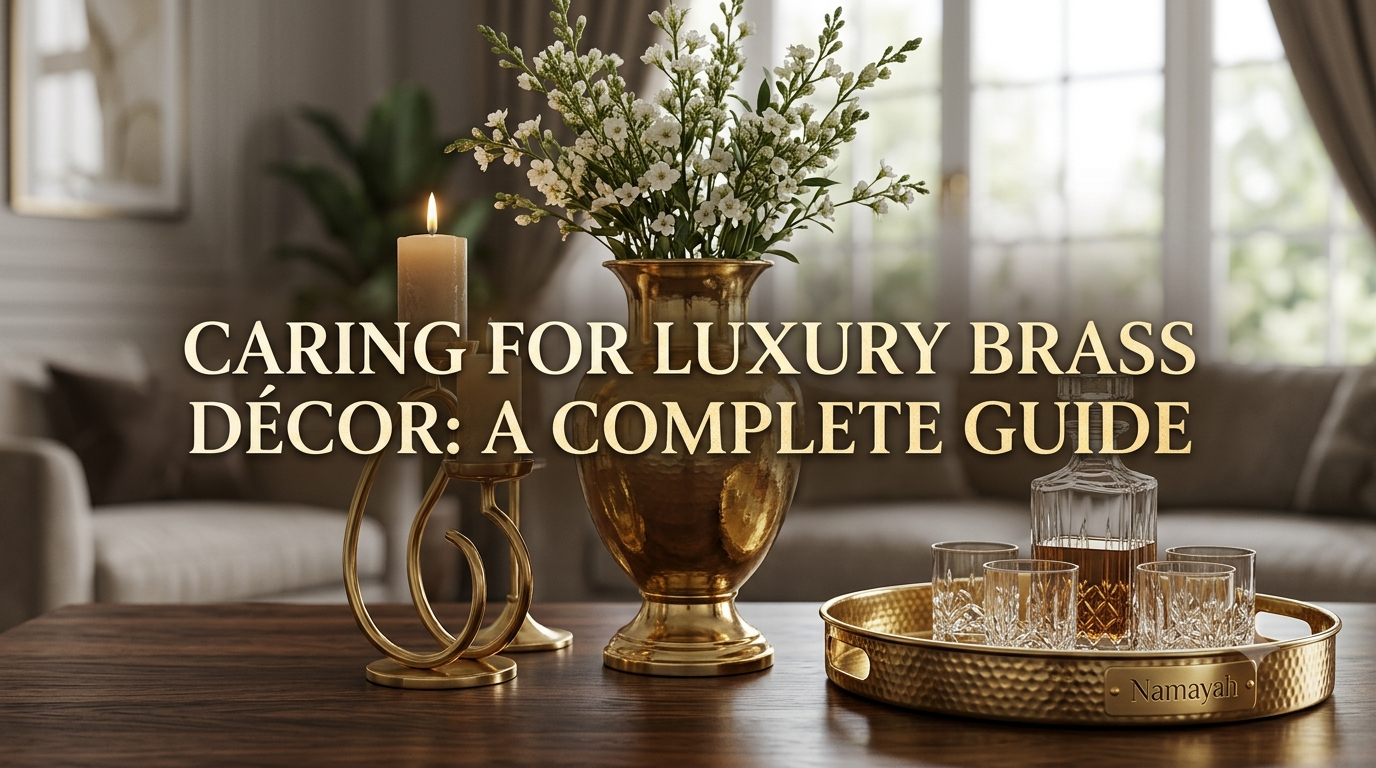
Luxury brass décor has remained a favorite in interior design for centuries. From elegant candle holders and decorative sculptures to premium hardware and statement furniture accents, brass adds warmth, sophistication, and timeless charm to any space. However, maintaining its brilliant appearance requires proper care and attention.
This comprehensive guide explains everything you need to know about Caring for Luxury Brass Décor, including cleaning techniques, polishing methods, preventive maintenance, and common mistakes to avoid. Whether your brass pieces are antique heirlooms or modern luxury accessories, these expert tips will help preserve their beauty for generations.
Understanding Luxury Brass Décor
Luxury brass décor is crafted from an alloy primarily composed of copper and zinc. High-quality brass develops a rich golden glow that complements both traditional and modern interiors.
Popular brass décor includes:
- Decorative bowls
- Sculptures
- Candle holders
- Mirrors
- Picture frames
- Cabinet handles
- Vases
- Lamps
- Wall décor
- Furniture accents
Its versatility and durability make brass one of the most sought-after decorative materials in luxury homes.
Why Brass Changes Over Time
One of the most important aspects of Caring for Luxury Brass Décor is understanding why brass tarnishes.
Brass naturally reacts with oxygen, moisture, and pollutants in the air. Over time, this reaction causes oxidation, resulting in:
- Dark spots
- Fingerprints
- Dull surfaces
- Brown discoloration
- Green patina (on older pieces)
While some homeowners appreciate the aged appearance, others prefer maintaining brass’s original golden shine.
Identifying Lacquered vs. Unlacquered Brass
Before cleaning any brass item, determine whether it has a protective lacquer coating.
Lacquered Brass
Features include:
- Bright glossy finish
- Protective clear coating
- Minimal maintenance
- Resistant to oxidation
Cleaning:
- Warm water
- Mild dish soap
- Soft microfiber cloth
Avoid abrasive polish since it can damage the protective coating.
Unlacquered Brass
Characteristics:
- Natural finish
- Ages gracefully
- Develops patina
- Requires regular polishing
This type needs occasional polishing to maintain its original appearance.
Essential Cleaning Supplies
Having the proper tools makes maintenance safer and more effective.
Recommended Supplies
| Cleaning Item | Purpose |
|---|---|
| Microfiber cloth | Dusting and polishing |
| Mild dish soap | Gentle cleaning |
| Warm water | Surface cleaning |
| Soft toothbrush | Detailed areas |
| Cotton cloth | Drying |
| Brass polish | Restoring shine |
| Cotton gloves | Prevent fingerprints |
Avoid steel wool, abrasive scrubbers, bleach, and ammonia-based cleaners.
Weekly Brass Maintenance Routine
Routine care prevents heavy tarnish and reduces the need for aggressive polishing.
Step 1: Dust Regularly
Dust accumulates quickly and can dull brass surfaces.
Use:
- Dry microfiber cloth
- Soft feather duster
Step 2: Wipe Fingerprints
Human skin oils speed oxidation.
Simply wipe with a clean microfiber cloth after handling decorative items.
Step 3: Gentle Cleaning
Mix:
- Warm water
- Few drops of dish soap
Clean gently before drying immediately with a soft towel.
Deep Cleaning Methods
When brass loses its shine, deeper cleaning becomes necessary.
Soap and Water Method
Best for:
- Light dirt
- Everyday grime
- Lacquered brass
Process:
- Prepare warm soapy water.
- Dip a soft cloth.
- Wipe gently.
- Rinse with clean water.
- Dry thoroughly.
Commercial Brass Cleaner
Premium brass cleaners restore shine efficiently.
Always:
- Test a hidden area first.
- Follow manufacturer instructions.
- Buff gently using circular motions.
Natural Cleaning Solutions
Many homeowners prefer eco-friendly cleaning alternatives.
Lemon and Baking Soda
Ingredients:
- One lemon
- Baking soda
Method:
- Sprinkle baking soda on lemon.
- Rub gently onto brass.
- Wait five minutes.
- Rinse thoroughly.
- Dry completely.
Vinegar, Salt, and Flour Paste
Mix:
- 1 tablespoon salt
- ½ cup vinegar
- Enough flour to create a paste
Apply for 20 minutes before rinsing and drying.
Ketchup Method
It may sound unusual, but the mild acidity in ketchup can help remove light tarnish.
Apply a thin layer for several minutes, wipe gently, rinse thoroughly, and dry immediately.
How to Polish Brass Properly
Polishing restores brass’s signature golden brilliance.
Best Practices
- Polish only when needed.
- Use a quality brass polish.
- Apply with a soft cotton cloth.
- Buff using gentle circular movements.
- Remove excess polish completely.
Over-polishing can gradually wear down delicate finishes, especially on antique pieces.
Preventing Tarnish
Preventive care is often easier than restoration.
Reduce Moisture Exposure
Humidity accelerates oxidation.
Tips include:
- Use dehumidifiers in damp rooms.
- Avoid storing brass in basements.
- Keep pieces away from steamy bathrooms.
Handle with Clean Hands
Skin oils leave residues that contribute to tarnishing.
Cotton gloves are ideal when handling valuable collectibles.
Store Properly
If storing brass:
- Wrap in acid-free tissue paper.
- Use breathable cotton bags.
- Keep in a cool, dry place.
Caring for Antique Brass
Antique brass deserves extra attention because aggressive cleaning may reduce its historical and monetary value.
Instead of removing every sign of aging:
- Preserve the natural patina.
- Clean gently with mild soap.
- Avoid harsh abrasives.
- Consult a professional conservator for valuable antiques before attempting restoration.
Protecting Brass in Humid Environments
Homes in coastal or tropical climates require additional care.
Helpful measures include:
- Running air conditioning or a dehumidifier during humid months.
- Keeping windows closed during very damp weather.
- Wiping moisture from brass after cleaning or accidental splashes.
- Applying a suitable protective wax to unlacquered brass, following the product instructions.
Common Cleaning Mistakes
Avoid these common errors when Caring for Luxury Brass Décor:
- Using abrasive scouring pads.
- Leaving water on the surface.
- Cleaning with bleach or ammonia.
- Polishing too frequently.
- Ignoring the lacquer coating.
- Using harsh chemicals on antiques.
- Storing brass in damp areas.
- Scrubbing decorative engravings aggressively.
When to Seek Professional Restoration
Some pieces benefit from expert care, particularly if they are:
- Family heirlooms
- Museum-quality antiques
- Severely corroded
- Intricately engraved
- Structurally damaged
A professional conservator can clean, stabilize, and restore brass while preserving its character and value.
Frequently Asked Questions
1. How often should luxury brass décor be cleaned?
Dust weekly and perform a gentle cleaning every month or as needed. Polish only when tarnish appears or the finish noticeably dulls.
2. Can I use vinegar on all brass items?
Vinegar-based cleaners are generally suitable for unlacquered brass but should not be used on lacquered finishes unless the manufacturer recommends it.
3. Is tarnish harmful to brass?
Light tarnish is a natural surface reaction and usually does not damage the metal. However, heavy corrosion should be addressed promptly.
4. What’s the safest cloth for brass cleaning?
A soft microfiber or cotton cloth is the safest choice because it cleans effectively without scratching the surface.
5. Should antique brass always be polished?
Not necessarily. Many collectors value the natural patina, and excessive polishing can reduce an antique’s historical appeal and value.
6. Can brass décor be displayed outdoors?
Brass can be used outdoors, but exposure to rain, humidity, and pollution will accelerate tarnishing. Outdoor pieces require more frequent maintenance and protective coatings.
Conclusion
Caring for Luxury Brass Décor is about balancing routine maintenance with thoughtful preservation. Regular dusting, gentle cleaning, appropriate polishing, and protection from moisture can keep brass looking elegant for many years. Whether you prefer the bright golden shine of polished brass or the rich character of a natural patina, understanding your décor’s finish and using the right care methods will help preserve its beauty and longevity.
For additional guidance on brass care and metal conservation, consult reputable resources such as the American Institute for Conservation: https://www.culturalheritage.org/.