
Brass vs Stainless Steel: Which Is Better for Home Décor?
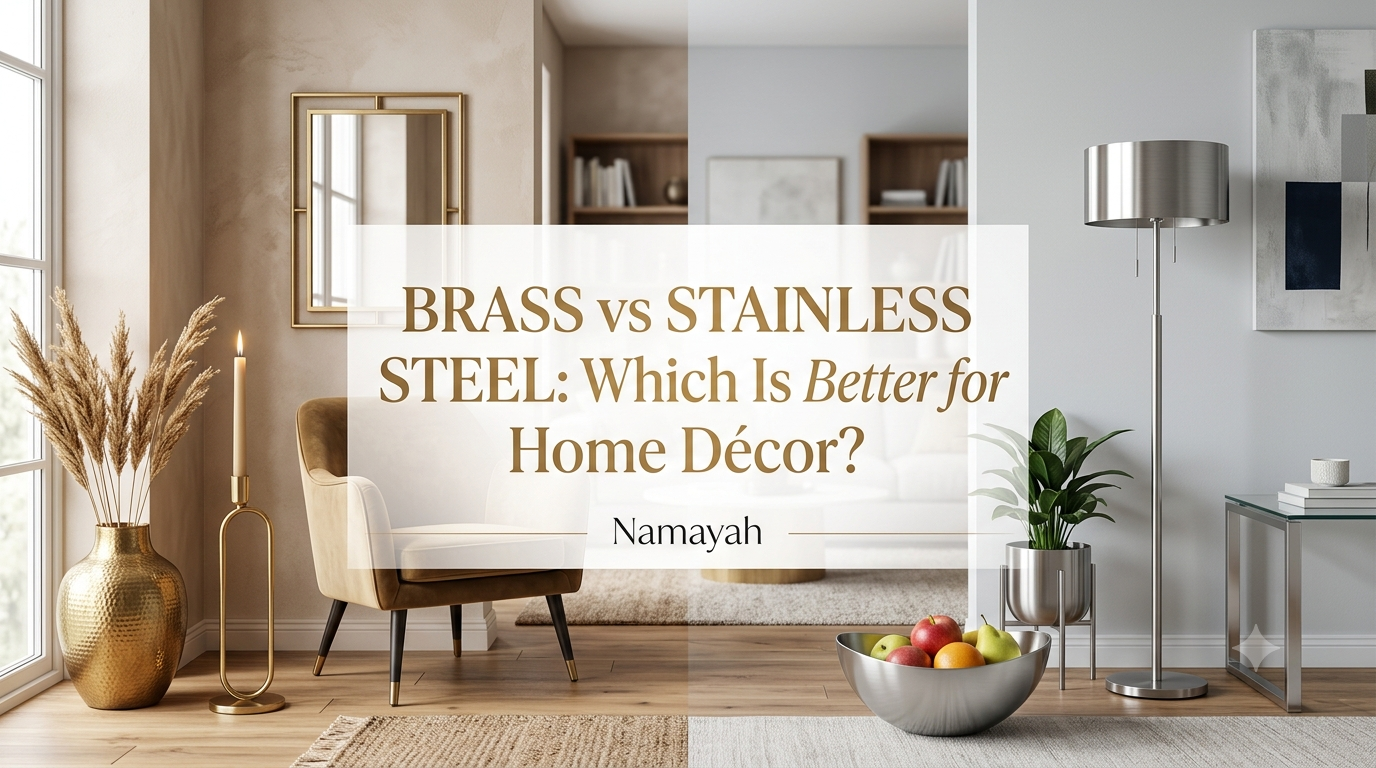
Choosing the right metal finish can significantly influence the appearance, durability, and functionality of your home décor. Two of the most popular options are brass and stainless steel. While both are widely used for cabinet hardware, door handles, light fixtures, furniture accents, and bathroom accessories, each offers unique advantages.
If you’re deciding between brass and stainless steel for your next home improvement project, understanding their differences in style, maintenance, durability, and cost will help you make a confident choice.
Understanding Brass and Stainless Steel
Brass is an alloy made primarily from copper and zinc. It is valued for its warm golden tone, classic appearance, and decorative appeal. Depending on its finish, brass can appear polished, brushed, antique, or satin.
Stainless steel is an alloy composed mainly of iron with chromium and often nickel. The chromium creates a protective layer that resists rust and corrosion, making stainless steel one of the most durable materials used in modern interiors.
Key Differences at a Glance
| Feature | Brass | Stainless Steel |
|---|---|---|
| Appearance | Warm golden finish | Silver, sleek finish |
| Style | Traditional, vintage, luxury | Modern, minimalist, industrial |
| Durability | Durable but softer | Extremely durable |
| Corrosion Resistance | Good | Excellent |
| Maintenance | Requires occasional polishing | Easy to maintain |
| Scratch Resistance | Moderate | High |
| Cost | Often higher for premium finishes | Generally more affordable |
| Best For | Decorative interiors | High-use functional spaces |
Appearance and Design
One of the biggest deciding factors is aesthetics.
Brass
Brass creates warmth and elegance. It pairs beautifully with natural wood, marble, dark cabinetry, and traditional interiors. Designers frequently use brass to add luxury without overwhelming a space.
Popular brass applications include:
- Cabinet handles
- Chandeliers
- Wall sconces
- Mirrors
- Decorative furniture hardware
- Luxury bathroom fixtures
Brass also develops a natural patina over time, which many homeowners appreciate because it adds character and a vintage feel.
Stainless Steel
Stainless steel offers a clean and contemporary appearance. Its reflective silver finish complements minimalist, Scandinavian, industrial, and modern interiors.
Common uses include:
- Kitchen appliances
- Modern faucets
- Door hardware
- Stair railings
- Furniture frames
- Bathroom accessories
Unlike brass, stainless steel maintains a consistent appearance for years with minimal changes.
Durability and Strength
When durability is the top priority, stainless steel generally has the advantage.
Brass Durability
Brass is durable enough for everyday home use but is softer than stainless steel. Over many years, it may develop scratches, dents, or wear in high-traffic areas.
However, quality solid brass hardware can last for decades with proper care.
Stainless Steel Durability
Stainless steel is exceptionally strong. It withstands impacts, heavy daily use, and frequent cleaning without losing its structural integrity.
This makes it ideal for:
- Busy kitchens
- Commercial environments
- High-traffic entryways
- Family homes
For long-term durability, stainless steel is often the preferred choice.
Maintenance Requirements
Maintenance can influence your decision, especially if you prefer low-maintenance materials.
Caring for Brass
Brass requires occasional attention to maintain its bright finish.
Maintenance includes:
- Wiping with a soft cloth
- Avoiding abrasive cleaners
- Using brass polish when necessary
- Cleaning fingerprints regularly
Some homeowners intentionally allow brass to age naturally, enjoying the unique patina it develops.
Caring for Stainless Steel
Stainless steel is one of the easiest materials to maintain.
Typically, you only need:
- Warm water
- Mild soap
- Microfiber cloth
Avoid steel wool or harsh chemicals that may damage the surface.
Corrosion and Moisture Resistance
Moisture resistance is especially important in kitchens, bathrooms, and outdoor covered spaces.
Brass
Brass offers good corrosion resistance because it contains copper. However, prolonged exposure to moisture and harsh environments may cause tarnishing.
Stainless Steel
Stainless steel excels in humid conditions thanks to its chromium-rich protective layer. It resists rust, staining, and corrosion far better than most decorative metals, making it ideal for wet areas.
Cost Comparison
The overall cost depends on product quality, finish, and manufacturing process.
Generally:
- Solid brass hardware often costs more because of the material and craftsmanship.
- Stainless steel products are available across a wider range of price points and often provide excellent value.
While brass may require a higher initial investment, many homeowners choose it for its timeless appeal and premium look.
Best Uses for Brass
Brass is an excellent choice if you want to create warmth and sophistication.
Ideal applications include:
- Luxury kitchens
- Traditional homes
- Vintage-inspired interiors
- Hotel-style bathrooms
- Decorative lighting
- Furniture accents
- Statement cabinet hardware
It works particularly well with white, navy, black, emerald green, and walnut finishes.
Best Uses for Stainless Steel
Stainless steel is best suited for practical, modern spaces where durability matters.
Recommended uses include:
- Contemporary kitchens
- Bathroom fixtures
- Door handles
- Appliances
- Shelving systems
- Stair railings
- Outdoor covered installations
Its neutral finish blends easily with nearly every color palette.
Which Material Should You Choose?
The best choice depends on your priorities.
Choose brass if you:
- Prefer warm, elegant interiors
- Want a premium decorative finish
- Appreciate vintage charm and natural patina
- Are willing to perform occasional maintenance
Choose stainless steel if you:
- Prefer modern, minimalist designs
- Need maximum durability
- Want low-maintenance hardware
- Need superior moisture resistance
Many interior designers successfully combine both materials. For example, stainless steel appliances can complement brass cabinet handles when balanced with cohesive finishes and colors.
Frequently Asked Questions
Is brass better than stainless steel for cabinet handles?
Brass is ideal for decorative and luxury interiors, while stainless steel is better for heavy-use kitchens that require maximum durability.
Which material lasts longer?
Stainless steel generally lasts longer in demanding environments due to its superior resistance to scratches, rust, and corrosion.
Does brass rust?
No. Brass does not rust because it does not contain iron. However, it can tarnish or develop a patina over time.
Is stainless steel suitable for luxury interiors?
Yes. Brushed or satin stainless steel creates a sophisticated, contemporary appearance that works well in high-end modern homes.
Which is easier to clean?
Stainless steel requires less maintenance and is easier to clean than polished brass.
Can brass and stainless steel be mixed in the same room?
Yes. Mixing metals is a popular interior design trend. The key is to repeat each finish intentionally throughout the space to create visual balance.
Conclusion
Both brass and stainless steel are excellent materials for home décor, but they serve different purposes. Brass offers warmth, elegance, and timeless character, making it a favorite for classic and luxury interiors. Stainless steel provides exceptional strength, easy maintenance, and a sleek modern appearance that suits contemporary spaces.
If your goal is to create a welcoming and sophisticated atmosphere, brass is an excellent choice. If durability, practicality, and minimal upkeep are your priorities, stainless steel is likely the better option. By considering your home’s design style, maintenance preferences, and budget, you can select the material that best complements your space.