
Brass Accessories That Elevate Any Room
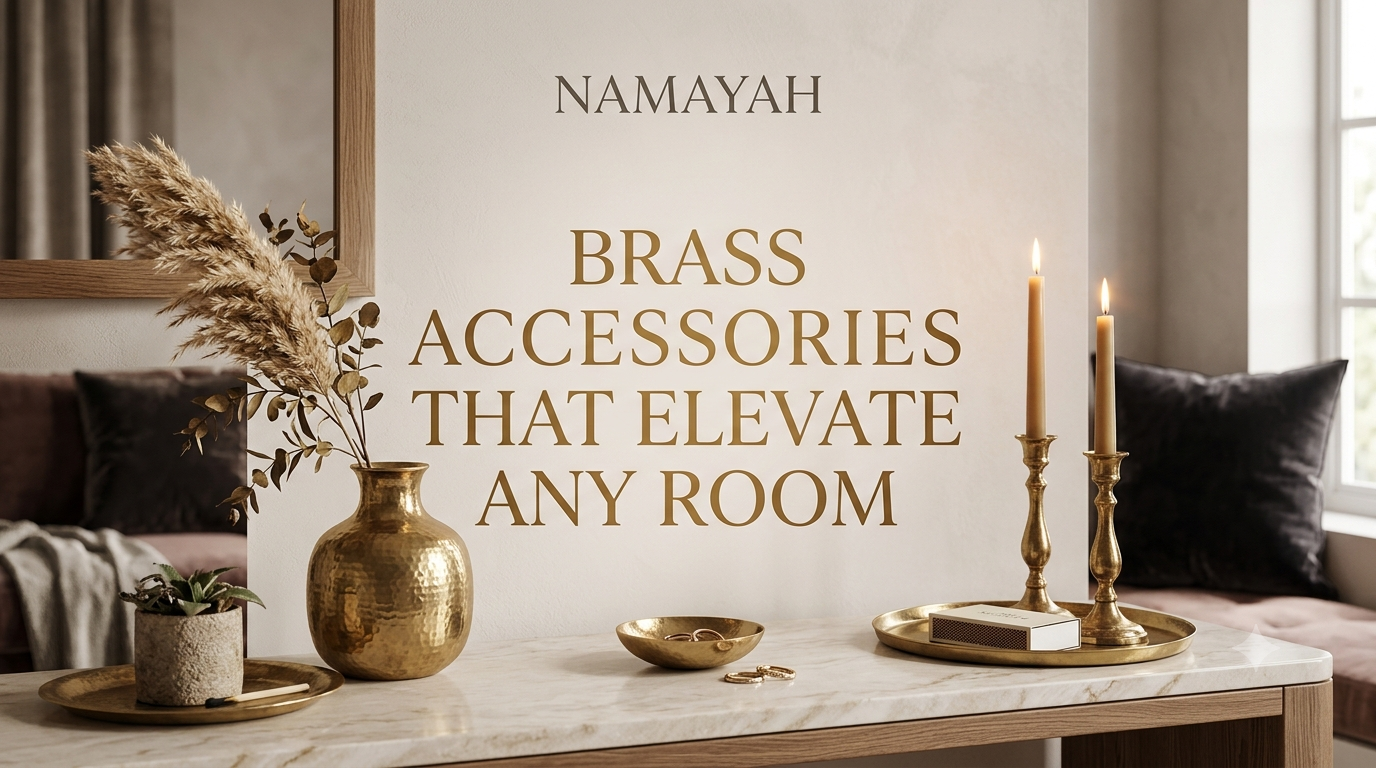
Brass has remained one of the most enduring materials in interior design because it combines elegance, warmth, and versatility. Whether used in contemporary apartments, traditional homes, boutique hotels, or commercial spaces, brass accessories add character without overwhelming a room. Their reflective surface introduces warmth while complementing a wide range of colors, textures, and natural materials.
For interior designers, brass offers an effective way to create visual interest through carefully selected decorative pieces rather than major renovations. Small additions such as mirrors, lighting, trays, candle holders, and cabinet hardware can transform the atmosphere of a space while maintaining a cohesive design language.
This guide explores how brass accessories can elevate virtually any room and provides practical styling ideas that work across multiple design styles.
Why Brass Remains a Timeless Design Choice
Interior design trends evolve, yet brass continues to maintain its appeal. Unlike finishes that come and go, brass bridges both traditional and modern aesthetics.
Several characteristics contribute to its longevity:
- Warm metallic tone that softens interiors
- Compatibility with neutral and bold color palettes
- Ability to complement wood, marble, stone, concrete, and glass
- Suitable for minimalist, industrial, Scandinavian, modern, vintage, and luxury interiors
- Develops character over time through natural aging, depending on the finish
Rather than serving as the focal point, brass often enhances surrounding materials, making it an excellent finishing element.
Benefits of Decorating with Brass Accessories
Adds Warmth
Cool-toned interiors featuring gray, white, or black often benefit from the warmth brass introduces. Even small decorative accents can make spaces feel more inviting.
Creates Visual Contrast
Brass contrasts beautifully against darker finishes such as navy cabinetry, charcoal walls, walnut furniture, and black fixtures.
Reflects Light
Polished brass reflects both natural and artificial light, helping brighten interiors and create a sense of openness.
Works Across Design Styles
Brass integrates effortlessly into:
- Contemporary interiors
- Mid-century modern spaces
- Farmhouse designs
- Art Deco aesthetics
- Traditional homes
- Luxury hospitality projects
Its flexibility makes it a favorite among interior professionals.
Living Room Brass Accessories
The living room often presents the greatest opportunity to introduce brass accents because multiple decorative elements can work together harmoniously.
Popular choices include:
- Coffee table trays
- Decorative bowls
- Floor lamps
- Picture frames
- Sculptures
- Wall mirrors
- Side table accessories
- Candle holders
A large brass-framed mirror can serve as a statement piece while reflecting natural light throughout the room. Smaller accessories placed strategically on shelving and coffee tables create cohesion without appearing excessive.
Mixing brass with natural oak, linen upholstery, and textured rugs creates an inviting balance between sophistication and comfort.
Brass Accessories for the Bedroom
Bedrooms benefit from subtle elegance rather than excessive ornamentation.
Consider incorporating:
- Brass bedside lamps
- Drawer pulls
- Decorative trays
- Jewelry organizers
- Picture frames
- Wall sconces
- Mirror frames
Layering brass against soft fabrics like linen, cotton, or velvet creates visual warmth while maintaining a calm atmosphere suitable for rest.
Rather than using multiple polished surfaces, designers often balance metallic accents with matte finishes and organic materials.
Kitchen and Dining Brass Accents
Modern kitchens increasingly feature brass as an alternative to chrome or stainless steel.
Popular applications include:
- Cabinet handles
- Pendant lighting
- Open shelving brackets
- Fruit bowls
- Serving trays
- Bar accessories
- Dining centerpiece décor
Brass pairs exceptionally well with:
- White cabinetry
- Navy cabinets
- Green kitchens
- Marble countertops
- Walnut cabinetry
- Quartz surfaces
In dining rooms, brass candle holders and decorative centerpieces help create an inviting setting without overwhelming the table.
Bathroom Brass Details
Bathrooms have become one of the most popular spaces for brass finishes.
Accessories that make an impact include:
- Mirrors
- Soap dispensers
- Towel rings
- Toothbrush holders
- Wall lighting
- Vanity hardware
Brass works especially well alongside marble, terrazzo, and natural stone, introducing warmth into spaces often dominated by cool materials.
Choosing the Right Brass Finish
Not all brass accessories have the same appearance. Selecting the appropriate finish depends on the desired design style.
| Finish | Best For |
|---|---|
| Polished Brass | Glamorous and traditional interiors |
| Satin Brass | Modern and transitional spaces |
| Brushed Brass | Contemporary minimalist designs |
| Antique Brass | Vintage and rustic aesthetics |
| Matte Brass | Scandinavian and understated interiors |
Maintaining consistency throughout a room generally produces a more cohesive result, although intentional mixing with complementary metals can create visual depth.
Styling Tips Interior Designers Use
Professional designers rarely rely on brass alone. Instead, they integrate it thoughtfully with other materials.
Some proven styling principles include:
Follow the Rule of Repetition
Repeat brass finishes throughout the room using lighting, hardware, mirrors, and décor to establish continuity.
Balance Metallic Elements
Avoid filling every surface with brass. Combining metallic accents with natural materials prevents visual overload.
Vary Scale
Mix larger statement pieces with smaller decorative objects to create rhythm and hierarchy.
Introduce Texture
Pair brass with woven baskets, natural wood, stone, ceramics, and textiles for a layered, balanced look.
Consider Lighting
The appearance of brass changes depending on natural and artificial lighting. Test finishes under the room’s intended lighting conditions before making final selections.
Common Decorating Mistakes
Even timeless materials can lose their impact if overused.
Avoid these common mistakes:
- Using too many metallic finishes without a clear design strategy
- Mixing polished and heavily aged brass inconsistently
- Ignoring the room’s overall color palette
- Overcrowding shelves with decorative accessories
- Choosing accessories that are oversized for the space
- Prioritizing appearance over functionality
A restrained approach often creates a more sophisticated and enduring result.
Frequently Asked Questions
Are brass accessories still in style?
Yes. Brass continues to be widely used across residential and commercial interiors because of its versatility and timeless aesthetic.
What colors pair best with brass?
Brass complements white, cream, black, navy, emerald green, charcoal, walnut, oak, marble, and natural stone.
Can brass work in modern interiors?
Absolutely. Satin and brushed brass finishes are especially popular in contemporary and minimalist spaces.
How much brass should be used in one room?
Use brass as an accent rather than the dominant material. Repeating the finish in several thoughtfully chosen elements typically creates a cohesive design.
Does brass require frequent maintenance?
Maintenance depends on the finish. Some finishes are designed to develop a natural patina, while others benefit from occasional cleaning to maintain their appearance. Always follow the manufacturer’s care recommendations.
Can brass be mixed with other metals?
Yes. Brass can be paired with black metal, matte nickel, or stainless steel when done intentionally and consistently throughout the space.
Conclusion
Brass accessories remain one of the most effective ways to elevate interior spaces without extensive renovation. Their warmth, adaptability, and timeless appeal make them suitable for living rooms, bedrooms, kitchens, bathrooms, and commercial environments alike.
For interior designers, thoughtfully selected brass accents provide opportunities to add texture, contrast, and visual cohesion across a project. By choosing the appropriate finish, balancing materials, and avoiding overuse, brass can enhance virtually any design style while maintaining a sophisticated and enduring aesthetic.