
Best Natural Wood Accessories for an Elegant Dining Table
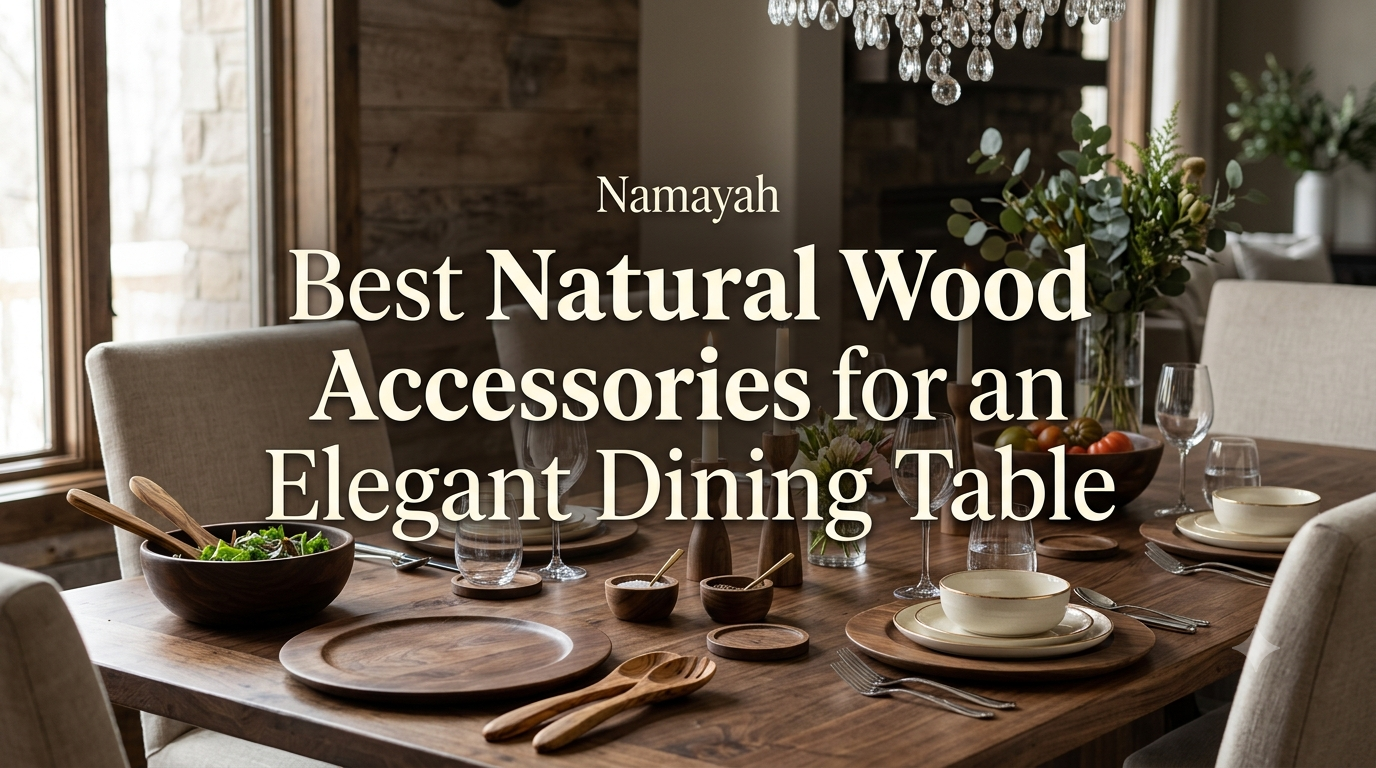
Modern kitchens often rely on clean lines, smooth surfaces, neutral colors, and practical storage. While this creates a polished look, it can sometimes feel a little cold. Handmade wooden accessories offer an easy way to introduce warmth, texture, and character without changing the entire kitchen.
The key is restraint. Rather than filling every surface with wooden objects, choose a few useful pieces and give them enough space to stand out. A handcrafted cutting board, serving tray, bowl, utensil holder, or set of wooden spoons can become part of the kitchen’s visual design while still serving a practical purpose.
Why Handmade Wood Works in Modern Kitchens
Wood naturally contrasts with the materials commonly found in contemporary kitchens, including stainless steel, glass, stone, ceramic, and smooth painted cabinetry.
That contrast is what makes it effective.
A sleek kitchen with white cabinetry, for example, can benefit from the warmth of natural wood. Similarly, dark cabinetry can make lighter wood accessories more noticeable, while stone countertops can provide an attractive backdrop for organic textures.
Handmade pieces add another layer because small variations in grain, shape, and finish can make them feel less mass-produced. The result can be a kitchen that looks considered rather than overly coordinated.
Contemporary kitchen design also increasingly incorporates warm wood accents alongside modern hardware and clean architectural elements.
Start With One Statement Piece
If you are new to styling handmade wooden accessories, begin with one noticeable item.
A large wooden cutting or serving board is an easy choice. Instead of storing it inside a cabinet, lean it vertically against the backsplash or place it on an open shelf where it can contribute to the overall composition.
You could also choose:
- A large handcrafted serving tray
- A sculptural wooden bowl
- A distinctive wooden fruit bowl
- A handmade utensil holder
- A decorative rolling pin
- A substantial wooden serving board
Think of this first item as an anchor. Once it is in place, add smaller accessories only if they improve the arrangement.
This prevents a common styling problem: buying several beautiful objects and displaying all of them at once.
Create a Functional Countertop Display
Kitchen counters need to remain practical, so decoration should work around the way you actually use the space.
One simple approach is to create a small functional group.
For example, place a wooden tray beside the cooking area and use it to organize frequently used items such as an oil bottle, salt container, pepper grinder, or utensil holder. The tray visually groups several objects into one composition.
This technique is especially useful in modern kitchens because it creates order without requiring additional cabinetry.
Another option is a coffee or breakfast station. A wooden tray can hold mugs, a small bowl, and everyday coffee or tea accessories. The wood introduces warmth while the tray keeps the arrangement visually contained.
The principle is simple: group similar objects instead of scattering them across the counter.
Style Open Shelves With Wood
Open shelving gives handmade wooden accessories an opportunity to become part of the kitchen décor.
However, avoid filling every shelf with wooden items.
Instead, combine different materials and heights. A shelf might contain:
- A small stack of ceramic plates
- A wooden serving bowl
- A glass jar
- Two or three wooden utensils
- A small plant
- A folded neutral-colored kitchen towel
The mixture creates contrast.
You can also place a wooden board behind smaller objects to create a vertical focal point. This gives the eye something substantial to notice without adding a large decorative object.
Handcrafted timber shelves, pegboards, and rails are also used in kitchen design to combine storage with warmth and visual character.
Mix Wood With Modern Materials
The goal is not to make everything in the kitchen look wooden.
In fact, wood usually looks better when surrounded by contrasting materials.
Try pairing handmade wood with:
Wood + stainless steel: Creates a warm-versus-industrial contrast.
Wood + white ceramic: Produces a light, clean and timeless combination.
Wood + black finishes: Gives natural wood a more contemporary appearance.
Wood + glass: Adds transparency and keeps the display visually light.
Wood + stone: Combines organic texture with the solid appearance of marble, quartz, granite, or other stone surfaces.
The contrast is particularly useful if your kitchen already has a strong modern aesthetic. You are not replacing the design language; you are adding a warmer accent to it.
Match Wood Tones Without Making It Too Uniform
One of the biggest questions when decorating with wood is whether every wooden accessory needs to match.
Usually, it does not.
In fact, using exactly the same wood tone everywhere can make the kitchen feel overly staged.
Instead, aim for coordination rather than perfect matching.
For example, a medium-toned serving board can work alongside a slightly lighter wooden bowl if the shapes and finishes complement each other. If your cabinetry already contains a strong wood grain, consider using accessories that either echo that tone subtly or provide deliberate contrast.
A useful rule is to repeat a wood tone two or three times rather than introducing many unrelated shades.
This creates visual continuity without making the kitchen look like a showroom.
Use Handmade Accessories as Texture
Modern kitchens often contain large areas of visually smooth materials. Cabinets, countertops, backsplashes, appliances, and glass surfaces can all appear uniform.
Handmade wood breaks up that smoothness.
Look for accessories with visible grain, carved details, rounded edges, or subtle handcrafted irregularities. These details can make a minimalist kitchen feel more layered.
The trick is to use texture selectively.
If the kitchen already has patterned tiles, decorative hardware, colorful appliances, and busy shelving, keep the wooden accessories relatively simple. If the kitchen is very minimal, a more distinctive handmade piece can become the focal point.
Style Wooden Trays and Boards
Wooden trays and boards are among the most versatile accessories because they can be decorative and functional at the same time.
A large board can be leaned against the backsplash. A smaller tray can organize countertop essentials. A serving board can move from the kitchen to the dining table when guests arrive.
For a simple countertop arrangement, try:
- Place a wooden tray on an uncluttered section of counter.
- Add one functional container or bowl.
- Include one taller object for height.
- Add a small plant or another natural element if space allows.
- Leave some empty counter space around the arrangement.
The empty space matters. It helps the display feel intentional rather than crowded.
Add Wooden Bowls and Serving Pieces
Wooden bowls are particularly useful for adding softer shapes to kitchens dominated by straight lines.
A rounded bowl placed on a rectangular countertop can create a subtle contrast in form. Use it for fruit, bread, snacks, or other items appropriate to the piece.
You can also place an empty decorative bowl on an open shelf, kitchen island, or dining surface.
Handmade wooden serveware is increasingly positioned as a bridge between kitchen functionality and home décor, with trays, bowls, serving pieces, and organizers designed to work across both settings.
Use Wooden Utensils Without Creating Clutter
Wooden spoons, spatulas, ladles, and other utensils naturally lend themselves to countertop display.
But a large collection can quickly make a modern kitchen look busy.
Instead, choose a small group of frequently used utensils and place them in a simple holder. Keep the arrangement close to the cooking zone so the display has a clear functional reason for being there.
If you have many handmade utensils, rotate them rather than displaying every piece simultaneously.
This is particularly effective in minimalist kitchens where visual simplicity is part of the design.
Bring Wood Into Small Modern Kitchens
You do not need a large kitchen to use handmade wooden accessories.
In a small space, choose pieces that perform more than one role.
A wooden serving tray can organize countertop items. A cutting board can double as a serving board. A bowl can hold fruit while contributing to the décor. A wall-mounted wooden rail can provide storage while adding warmth.
Vertical space is another useful option. Shelves, rails, and pegboards can move accessories away from crowded countertops while keeping everyday items accessible.
For small kitchens, the best decorative item is often one that earns its space through regular use.
Avoid the “Too Rustic” Look
Handmade wood does not automatically mean rustic.
The styling around it determines the result.
If you want a contemporary look, avoid combining too many rustic signals at once. For example, distressed wood, farmhouse signs, vintage containers, woven baskets, and heavily patterned textiles can collectively push a kitchen toward a traditional farmhouse aesthetic.
Instead, pair handmade wooden accessories with modern elements such as:
- Minimalist cabinetry
- Simple ceramic pieces
- Contemporary lighting
- Clean-lined hardware
- Plain textiles
- Modern appliances
- Uncluttered countertops
A single rustic-looking wooden item can actually look quite contemporary when surrounded by simple, modern materials.
Care for Handmade Wooden Accessories
Good styling starts with choosing pieces that suit their intended use and maintaining them properly.
For food-contact wooden items, follow the manufacturer’s care instructions, especially regarding washing, drying, conditioning, and whether the item is intended for food preparation or decorative use.
Avoid assuming that every wooden object can be treated the same way. A decorative tray, cutting board, serving bowl, and utensil may have different finish and cleaning requirements.
Some wooden kitchen retailers specifically recommend gentle cleaning and avoiding abrasive chemicals, while care requirements can vary by product and finish.
The simplest styling lesson is also the most practical: clean, well-maintained wood looks better than an overcrowded collection of neglected accessories.
Easy Styling Combinations to Try
If you want a quick starting point, try one of these combinations.
The Minimal Counter
Use:
- One large wooden board
- One small ceramic bowl
- One neutral utensil holder
Keep the surrounding countertop clear.
The Warm Coffee Corner
Use:
- A medium wooden tray
- Two or three mugs
- A small container
- One wooden spoon or scoop
Keep everything grouped within the tray.
The Open Shelf Display
Use:
- One wooden bowl
- White or neutral ceramic plates
- A glass jar
- Two wooden utensils
- A small plant
Vary the heights and leave visible gaps between groups.
The Modern Contrast
Use:
- Dark cabinetry
- Light or medium wood accessories
- Black or stainless-steel details
- Simple white ceramic pieces
The contrast keeps the wood from looking old-fashioned.
The Natural Kitchen
Use:
- Warm wood accessories
- Neutral ceramics
- Green plants
- Linen or cotton textiles
- Clear glass containers
This combination works particularly well when you want a calm, organic atmosphere without giving up a modern layout.
FAQs About Styling Handmade Wooden Accessories
How many wooden accessories should I display in a modern kitchen?
There is no fixed number. Start with one or two statement pieces and add smaller objects only when they improve the arrangement. The available counter and shelf space should determine the quantity.
Can handmade wooden accessories work in a minimalist kitchen?
Yes. In fact, a single wooden board, bowl, or utensil holder can be especially effective in a minimalist kitchen because it introduces natural texture without requiring a major decorative change.
Do all wooden kitchen accessories need to match?
No. Similar undertones or finishes can create cohesion, but exact matching is unnecessary. Slight differences in grain and tone can make a handmade collection feel more natural.
What colors pair well with wooden kitchen accessories?
White, cream, black, gray, muted green, blue, and many natural neutral tones can work well with wood. The best choice depends on the wood’s color and the existing kitchen palette.
How do I keep a modern kitchen from looking too rustic with wood?
Use handmade wood selectively and combine it with contemporary materials such as stainless steel, glass, stone, simple ceramics, and clean-lined cabinetry. Avoid combining too many rustic decorative elements.
Where should I put wooden accessories in a small kitchen?
Prioritize useful locations. A tray can organize a countertop, a wooden board can lean against a backsplash, and a shelf or rail can display frequently used pieces vertically.
Are wooden accessories suitable for everyday kitchen use?
Many wooden kitchen accessories are designed for everyday use, but suitability depends on the specific product, wood, finish, and intended purpose. Always follow the manufacturer’s instructions for food contact and cleaning.
Can wooden serving pieces be used as kitchen décor?
Yes. Trays, boards, bowls, and other serving pieces can be displayed when they are not being used. This is one reason wooden accessories work well in kitchens: the same objects can contribute to both function and visual styling.
Conclusion
Styling handmade wooden accessories in a modern kitchen is less about adding more decoration and more about creating balance.
Choose a few pieces with useful functions, give statement items enough space, and combine natural wood with modern materials such as ceramic, glass, metal, and stone. Use variations in shape and texture to make the room feel warmer, but avoid filling every surface.
The most successful approach is simple: let handmade wood provide warmth while the rest of the kitchen provides structure.
That balance allows handcrafted accessories to feel intentional, contemporary, and useful rather than merely decorative.