
Artisan Wooden Serveware Care: Preserve Its Natural Beauty
Caring for Your Artisan Wooden Serveware
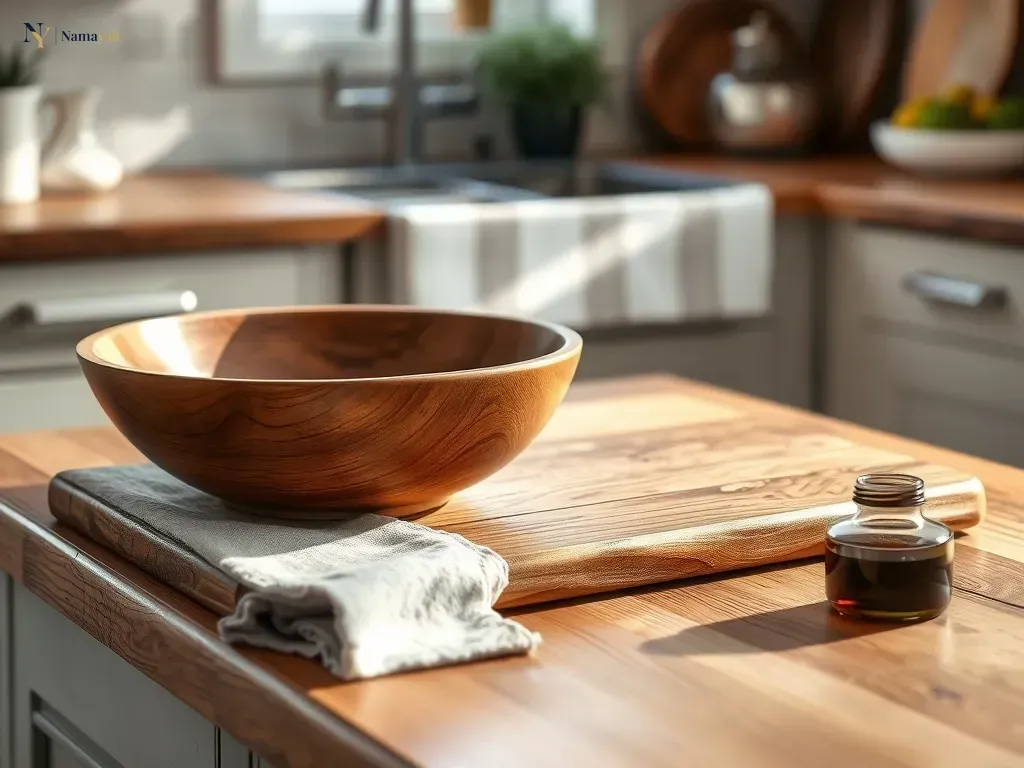
Mastering artisan wooden serveware care is the best way to keep your handcrafted pieces looking beautiful and functioning perfectly for years. When you bring home a hand-carved wooden bowl or platter, you are adding a touch of nature and tradition to your table. While the idea of maintaining wood might sound like a lot of work, it is actually quite simple once you get into a routine. By learning how to clean, hydrate, and store your pieces correctly, you can easily protect them from drying out, cracking, or warping. This guide will help you keep your kitchen treasures in tip-top shape. You can learn more about our commitment to quality by visiting our story. Consistent care is truly the secret to keeping your wood looking as vibrant as the day you first brought it home.
The Importance of Proper Wood Care
Handcrafted wooden serveware is porous, which means it breathes and reacts to its surroundings. Things like heat, moisture, and changes in humidity can really affect how your pieces hold up over time. If you ignore artisan wooden serveware care, the wood fibers can dry out, which eventually leads to cracks or splinters.
Looking after your wood isn’t just about how it looks; it is also about hygiene and durability. High-quality woods like teak, rosewood, or mango require a little attention to keep their natural oils intact. Plus, wood has natural antibacterial properties that work best when the surface is properly sealed and maintained. A well-sealed surface also resists food stains and odors. Taking care of your wood is a small effort that pays off in the timeless charm it brings to your dining room.
Choosing the Right Cleaning Methods
A common mistake is putting wooden items in the dishwasher or letting them soak in the sink. Please avoid the dishwasher entirely; the extreme heat and harsh detergents will strip away the wood’s natural oils and lead to damage.
Instead, always wash your wooden serveware by hand with warm water and a mild dish soap. If you need to freshen them up, a little white vinegar mixed with water works wonders for neutralizing odors. The most important rule? Dry your items immediately with a soft cloth. Never let them air dry while sitting in a puddle of water, as this causes the fibers to expand and leads to warping. Being gentle with your cleaning preserves the unique character of the grain.
Hydrating Your Wooden Serveware
Hydration is perhaps the most important part of artisan wooden serveware care. Over time, wood loses its natural moisture and can start to look dull or grey. To keep it looking its best, apply a food-safe mineral oil or beeswax conditioner once a month—or whenever the wood starts to look a bit thirsty.
Simply rub a generous amount of oil onto the surface with a lint-free cloth and let it soak in for a few hours. Afterward, wipe away any excess so the wood doesn’t feel sticky. Think of this as moisturizing your skin; it keeps the material supple and prevents it from becoming brittle. Using high-quality, food-safe products ensures that your serveware remains perfectly safe for your next meal. As many experts emphasize, proper maintenance is the key to longevity for all natural materials.
Preventing Common Damage
Most issues, like warping or cracking, happen because of the environment. Try to keep your wooden serveware away from direct heat sources like stoves or ovens, as heat pulls moisture out of the wood. You should also avoid leaving pieces in extreme cold or direct sunlight.
If you do notice a small scratch, don’t worry. You can lightly sand the area with fine-grit sandpaper and then re-oil it to blend it back in. For those who love to host, it is a great idea to keep some essential supplies on hand, such as food-safe mineral oil and soft cotton rags. Being proactive makes a huge difference, and storing your wood in a cool, dry place with good airflow will help prevent mold and keep your collection healthy.
Storing Your Pieces Correctly
How you store your serveware is a key part of artisan wooden serveware care. When your bowls and platters aren’t in use, try to store them where air can circulate around them. Avoid stacking heavy items on top of delicate wooden pieces to prevent stress fractures.
If your cabinet space is tight, vertical dividers are a fantastic solution to keep items upright and prevent them from bumping into each other. Also, try to keep your wood away from damp areas, like the space right under the kitchen sink. Humidity is the enemy of fine wood, and consistent moisture can lead to rot. Finding a dedicated, dry spot for your collection is a hallmark of a thoughtful home curator.
When to Retire or Refinish Old Pieces
Even with the best care, an older piece might eventually need some professional-level attention. If you spot deep cracks that go all the way through the wood or signs of rot, it is best to retire the item. However, if a piece just looks a bit tired, a thorough sanding and refinishing can often bring it right back to life.
If you are ever unsure if a piece is safe to use for food, check for loose splinters or structural instability. If it is damaged, consider repurposing it as a decorative display piece rather than using it for serving. Refinishing can be a very rewarding project that lets you reconnect with your favorite kitchen items.
Sustainability and Artisan Values
Choosing artisan wooden serveware is a beautiful way to support sustainable living and traditional craftsmanship. By maintaining these items instead of replacing them, you are helping to reduce waste. While mass-produced kitchenware often ends up in a landfill after a few years, well-cared-for artisan wood can last for decades and become a family heirloom.
At Namayah, we are dedicated to preserving these ancient techniques while serving the needs of modern homes. We invite you to browse our latest collections for inspiration. By caring for your items, you honor the time and skill the artisan invested in every single piece.
Conclusion
Maintaining artisan wooden serveware is a simple, rewarding practice that keeps your home beautiful. By washing gently, oiling regularly, and storing your items with care, you are protecting your investment for the long haul. Remember that wood is a living material that responds to your attention.
If you follow these guidelines, your serveware will remain a stunning feature of your dining experience. Should you have any questions about our specific products, please feel free to reach out to us. We are always here to help you get the most out of your artisan pieces. Thank you for choosing craftsmanship and for valuing the timeless art of wood.