
Artisan Wooden Serveware Care: Keeping Your Pieces Beautiful
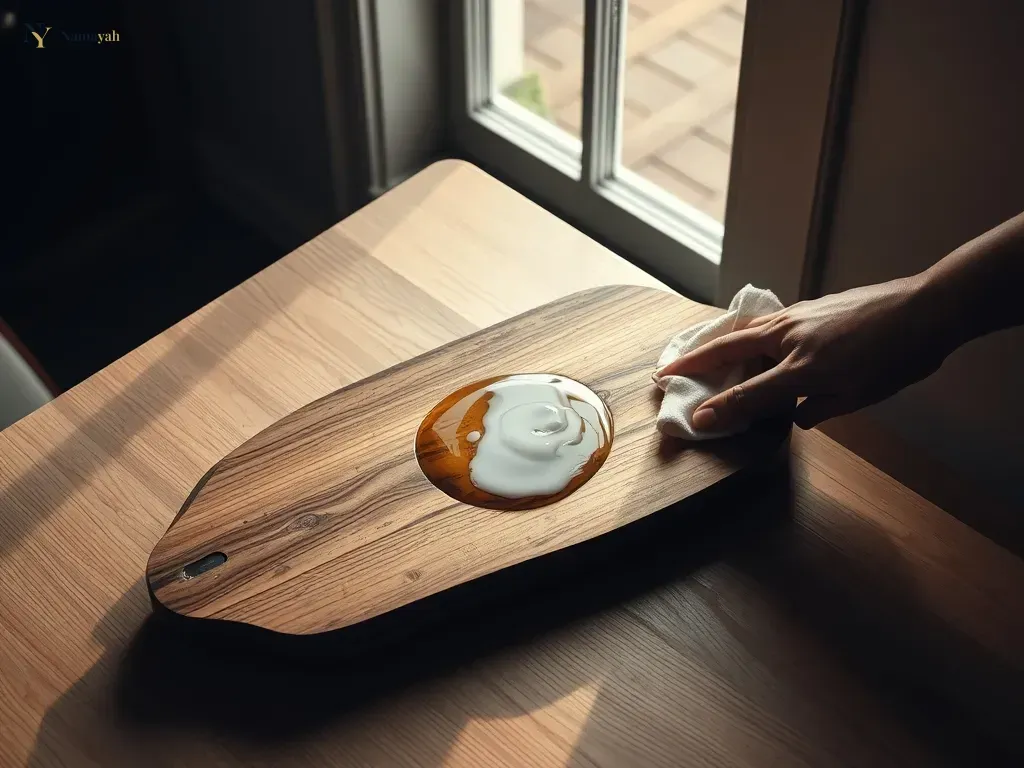
Investing in artisan wooden serveware brings a touch of natural warmth and sophistication to any dining experience. These handcrafted items are more than just functional kitchen tools; they are pieces of art that reflect centuries of Indian craftsmanship. However, maintaining their lustrous finish and structural integrity requires specific knowledge. Proper artisan wooden serveware care ensures that your bowls, platters, and spoons remain durable and safe for years. By following these simple maintenance routines, you preserve the natural beauty of the wood grain while preventing common issues like cracking or splintering. If you are curious about the origins of these beautiful items, you can learn more about our commitment to heritage on our about us page.
Understanding Natural Wood Properties
To master the art of maintenance, one must first understand the material. Natural wood is a porous, organic substance that reacts to its environment. Factors like humidity, temperature fluctuations, and direct sunlight can cause the wood to expand or contract. This movement is what leads to warping or splitting over time. Therefore, the goal of regular care is to keep the wood fibers stable and hydrated without saturating them.
The Importance of Seasoning
Seasoning is the foundation of long-term care for wooden kitchen items. This process involves applying food-safe oils to the surface, which creates a protective barrier against moisture. Without this layer, the wood dries out and becomes susceptible to absorbing odors or stains from food. Most artisans recommend using mineral oil or beeswax for this purpose. Avoid vegetable oils as they can turn rancid over time, leaving an unpleasant smell on your serveware.
Daily Cleaning Best Practices
Daily use of your wooden items is encouraged, but cleaning them correctly is critical. Never submerge your artisan pieces in a sink full of water for extended periods. Wood absorbs water rapidly, which causes it to swell and eventually crack as it dries unevenly. Instead, wash your items by hand using warm water and a mild, gentle dish soap.
Drying Techniques for Longevity
After washing, dry the piece immediately with a soft, lint-free cloth. Leaving the items to air dry in a rack is often insufficient, as moisture can get trapped in the grain. Place your wooden serveware in a well-ventilated area, ensuring that air can circulate around all sides. Never use a dishwasher, as the high heat and harsh chemicals will strip the natural oils and destroy the wood fibers permanently. According to the Food and Drug Administration, maintaining food-contact surfaces with proper sanitation is essential for home safety.
Preventing Damage and Stains
Even with careful use, accidents can happen. To prevent deep staining, wipe away acidic foods or strong spices like turmeric immediately after use. These substances can penetrate the pores of the wood, leaving permanent discoloration. If you are serving oily or acidic dishes, consider using a thin layer of food-grade oil as a pre-treatment. This creates a temporary shield that makes cleanup much easier.
Handling Scratches and Dents
Surface scratches are natural in the life of a well-loved wooden board or bowl. For minor marks, a light sanding with fine-grit sandpaper followed by an application of oil can restore the surface to near-new condition. Always sand in the direction of the wood grain to avoid permanent damage. For deeper dents, steaming the wood can sometimes help the fibers expand back into place, though this should be done with caution.
Storage and Environmental Control
Where you store your serveware is just as important as how you clean it. Avoid placing wooden items near heat sources like ovens, stovetops, or direct sunlight. Heat causes wood to lose its natural moisture, leading to brittleness. Store your pieces in a cool, dry cabinet where they can breathe. If you live in an exceptionally dry climate, you may need to increase the frequency of your oiling routine to compensate for the lack of ambient humidity.
Displaying Your Artistry
Many of our customers enjoy displaying their wooden serveware as part of their home decor when not in use. If you choose this route, ensure the display location is away from direct light. For those interested in expanding their collection, you can browse our wooden heritage archives to find pieces that perfectly complement your existing dining aesthetic. Keeping these items out of direct sunlight prevents the wood from fading or bleaching over time.
Why Quality Matters
High-quality, handcrafted wood is generally denser and better finished than mass-produced alternatives. This density makes it more resistant to moisture and damage from the start. Choosing items crafted by skilled artisans ensures you are getting wood that has been properly cured and aged, which is the first step in successful maintenance. For further insights on how to maintain your broader home collection, check out our guide on sustainable luxury home decor.
The Lifecycle of Artisan Wood
Well-cared-for wood develops a unique patina that adds to its character. As you use and oil your pieces, they will likely deepen in color and luster. This evolution is one of the most rewarding aspects of owning artisan wooden serveware. When you treat these items as living objects, they respond by serving your household for generations. Industry experts often cite that sustainable forestry practices help ensure the longevity of the materials we use in modern luxury homes.
Conclusion
Mastering the care of your wooden serveware is a rewarding practice that honors the artisan behind the craft. By following these simple steps—regular oiling, gentle hand-washing, and mindful storage—you ensure your pieces remain the centerpiece of your dining table. Treat your wood with kindness, and it will remain a functional, beautiful part of your home for many years to come. If you ever have specific questions about a piece you purchased from us, please do not hesitate to contact us for personalized care advice from our team.