
Artisan Wooden Serveware Care: Keep Your Pieces Looking New
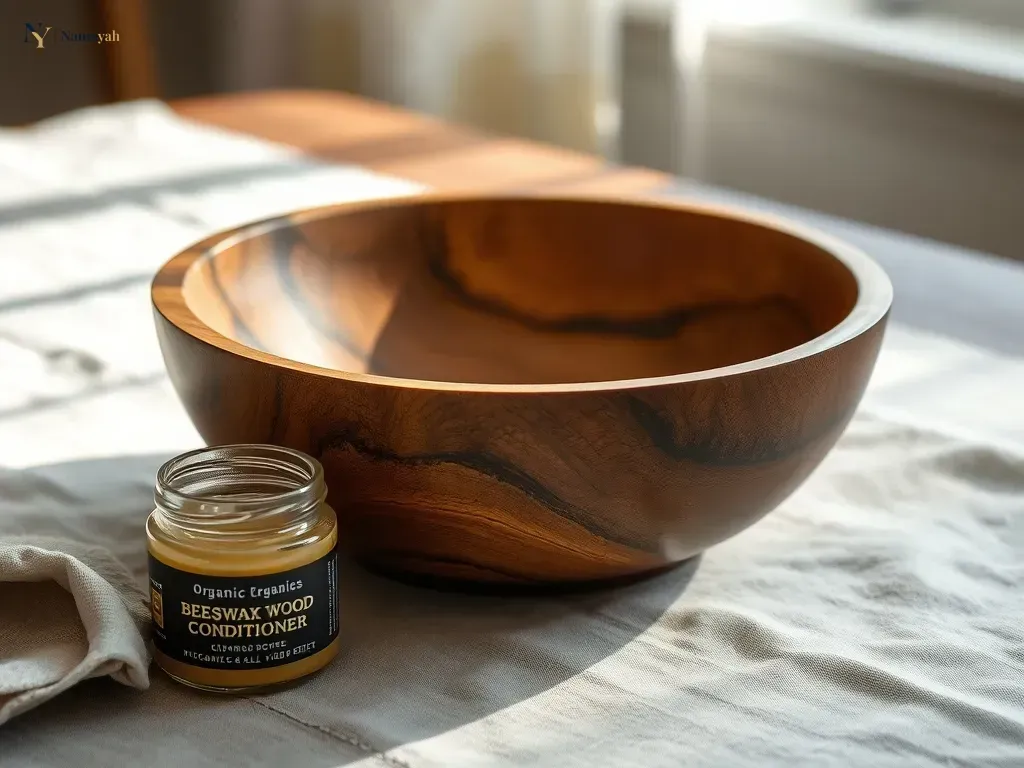
Investing in artisan wooden serveware brings a touch of organic warmth and elegance to your dining table. These handcrafted pieces are not just functional tools but expressions of cultural heritage. To ensure your investment lasts for generations, you must master the art of artisan wooden serveware care. Proper maintenance protects the wood fibers from drying, cracking, or warping over time. By following a consistent routine, you preserve the natural beauty and structural integrity of your favorite kitchen accessories. This guide covers the essential steps to keep your wood items in pristine condition for years.
Understanding Your Wooden Serveware
The Nature of Natural Wood
Handcrafted wooden items are porous materials that react to their environment. Wood expands and contracts based on moisture levels and temperature changes in your kitchen. Because of this natural movement, it is vital to avoid exposing your serveware to extreme conditions. Furthermore, wood possesses inherent antibacterial properties that make it a hygienic choice for food preparation. Our commitment to quality can be seen throughout our About Us page, where we detail our passion for traditional craftsmanship. Understanding these basics helps you appreciate why specialized care is necessary to maintain the wood’s longevity.
Why Quality Matters
High-quality artisan pieces are often carved from hardwoods like teak, acacia, or sheesham. These dense woods are more resistant to moisture, making them ideal for serveware. However, even the densest woods require protection from harsh chemicals and standing water. Cheap, mass-produced items often use synthetic varnishes that wear off quickly. In contrast, authentic handcrafted pieces typically use food-safe oils that penetrate the surface. According to the Food and Agriculture Organization, sustainable wood management is essential for preserving the unique characteristics of timber. Choosing well-crafted products is the first step toward easier long-term maintenance.
Daily Cleaning Best Practices
Hand Washing Only
Never place your wooden bowls, platters, or utensils in the dishwasher. The intense heat and prolonged soaking in water will strip the natural oils and cause the wood to splinter. Instead, wash your items by hand using mild dish soap and warm water. Quickly rinse the item and wipe it dry immediately with a clean, soft cloth. Never let your serveware air dry while sitting in a puddle of water. Consistent hand washing is the most effective way to prevent premature degradation.
Dealing with Stubborn Stains
Sometimes, your wooden serveware may absorb colors or odors from strong-flavored foods. For light stains or lingering smells, a simple solution of lemon juice and salt works wonders. Sprinkle coarse salt over the surface and scrub gently with half a lemon. This natural abrasive removes superficial stains while the acidity of the lemon neutralizes odors. Rinse the piece thoroughly and dry it well to complete the process. For more detailed advice on maintaining delicate home accessories, you can read more here.
The Importance of Regular Oiling
When to Oil Your Wood
Wood needs regular nourishment to stay supple and water-resistant. If the wood surface looks dull, feels rough, or appears grayish, it is time for an oiling treatment. Most experts recommend oiling your serveware once a month, depending on how frequently you use it. Frequent use in a busy kitchen may require more regular attention to keep the finish vibrant. If you live in a particularly dry climate, you may need to oil your pieces more often to prevent cracks.
Choosing the Right Oil
Not all oils are suitable for culinary wood maintenance. Avoid vegetable oils like olive or sunflower oil, as they can turn rancid over time and develop an unpleasant odor. Instead, use food-grade mineral oil or a specialized butcher block oil. These oils are non-reactive and do not spoil, providing a safe protective barrier for your serveware. For additional guidance on material safety, the United States Department of Agriculture provides resources on kitchen hygiene standards. Apply the oil with a soft, lint-free cloth, moving in the direction of the wood grain.
Storage and Seasonal Maintenance
Proper Storage Techniques
Where you store your serveware is just as important as how you clean it. Keep your wooden items in a cool, dry place away from direct sunlight and heat sources like stoves or radiators. Prolonged exposure to heat can bake the moisture out of the wood, leading to brittle surfaces. If possible, store your pieces vertically or in a way that allows air to circulate around them. Avoid stacking heavy items on top of delicate wooden pieces to prevent pressure damage or surface scratches.
Seasonal Adjustments
Seasonal changes in humidity can affect the stability of your wooden collection. During winter months, when indoor heating reduces humidity levels, wood tends to lose moisture faster. You might notice your pieces feel drier during this time. Increase the frequency of your oiling routine during these dry months to keep the wood hydrated. By being mindful of these environmental shifts, you can prevent structural damage before it starts.
Frequently Asked Questions
Can I Use My Wooden Pieces for Hot Foods?
Yes, most sturdy artisan wooden serveware is perfectly fine for serving hot foods. However, avoid using them for long-term storage of boiling liquids, as extreme heat can compromise the finish. If you are preparing a large feast, you can check our Sustainable Luxury Home Decor for inspiration on how to pair your wooden pieces with other premium materials.
How Do I Know When to Replace an Item?
If a wooden piece develops a deep, structural crack or shows signs of mold, it is time to retire it. While superficial scratches are normal, deep fissures can harbor bacteria that are difficult to sanitize. With proper artisan wooden serveware care, these instances are rare and usually avoidable. Regular inspection is key to keeping your dining experience safe and elegant.
Conclusion
Caring for your wooden serveware is a rewarding ritual that celebrates the beauty of natural materials. By avoiding dishwashers, washing by hand, and oiling regularly, you protect the soul of your handcrafted items. These simple habits transform a basic chore into a way of honoring the artisans who created your pieces. Treat your wooden serveware with the respect it deserves, and it will serve your table with grace for a lifetime. Start your maintenance routine today and enjoy the timeless appeal of your collection.