
Artisan Wooden Serveware Care: Keep Your Pieces Beautiful
Mastering artisan wooden serveware care ensures that your handcrafted pieces remain functional and stunning for generations. Wooden serveware brings a touch of organic warmth to any dining experience, creating a connection between nature and the modern home. Proper maintenance of these items is not merely about aesthetics; it is about preserving the structural integrity of natural timber. Neglecting your wooden goods can lead to cracking, warping, or unwanted stains. By following a consistent care regimen, you protect your investment in high-quality craftsmanship. Learn more about the Namayah story to understand the dedication behind our curated collections. Consistent care routines are the secret to longevity for every piece in your kitchen.
Understanding Natural Wood Characteristics
Wood is a porous, living material that reacts to its environment. When you bring handcrafted wooden serveware into your home, you are introducing a material that expands and contracts with changes in humidity and temperature. Understanding these natural shifts is the first step in effective artisan wooden serveware care. Unlike synthetic materials, wood requires a delicate balance of moisture to stay supple and durable.
Why Wood Reacts to Moisture
Dry air can cause wood fibers to shrink, potentially leading to fine cracks over time. Conversely, excessive soaking can cause the wood to absorb too much water, leading to swelling or warping. Keeping your wooden items away from extreme heat sources, such as radiators or direct sunlight, prevents premature drying. According to experts at the Forest Products Laboratory, maintaining stable environmental conditions is critical for wood stability. By controlling the environment, you ensure your serveware retains its original form.
Daily Cleaning Best Practices
Maintaining your serveware does not require complex machinery or harsh chemicals. In fact, simple is always better when dealing with high-quality timber. You should always hand-wash your wooden pieces immediately after use to prevent food residues from setting into the grain. Never place these delicate items in the dishwasher, as the high heat and strong detergents will strip away natural oils.
The Correct Washing Technique
Use mild, plant-based dish soap and warm water to gently clean the surface. Use a soft sponge or cloth rather than abrasive scrubbers that might scratch the finish. After washing, rinse the piece thoroughly and dry it immediately with a clean, lint-free towel. Never allow wooden items to air dry while sitting in a pool of water. Moisture trapped on the base of a bowl or board is a common cause of damage.
Deep Cleaning and Sanitizing
Occasionally, your serveware might need a deeper clean to remove lingering food odors or stubborn stains. For these instances, a natural approach is highly effective. A simple mixture of lemon juice and salt acts as a gentle, natural abrasive that cleans and disinfects without damaging the wood fibers. Rub the mixture onto the surface, let it sit for a few minutes, and then rinse clean.
Refreshing Your Wood
For persistent odors, white vinegar is an excellent, safe alternative. Gently wipe the wood with a cloth dampened in diluted vinegar to neutralize smells. Always ensure the wood is bone-dry before storing it away in a cupboard. Proper storage in a well-ventilated area helps maintain the health of your wooden accessories. Refer to official industry guidelines for sustainable material handling if you wish to learn more about eco-friendly maintenance.
The Importance of Regular Oiling
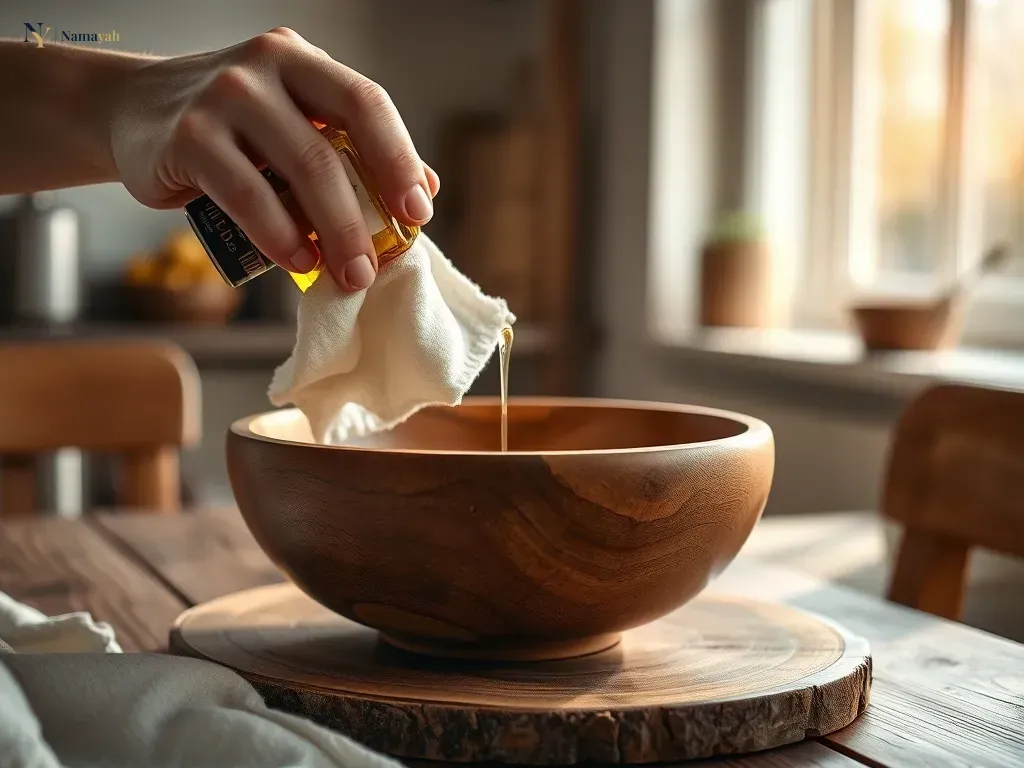
Oiling is arguably the most vital component of artisan wooden serveware care. Over time, wood naturally loses its moisture, which makes it look dull and feel brittle. Applying a food-safe oil creates a protective barrier that seals the wood and enhances its natural grain patterns. We recommend using mineral oil or dedicated wood-conditioning wax for the best results.
How to Apply Conditioning Oil
Ensure your serveware is completely clean and dry before starting the process. Apply a generous amount of oil using a soft cloth, working it into the grain in a circular motion. Let the piece sit for several hours or overnight so the oil can fully penetrate the wood fibers. Once the oil has soaked in, buff off any excess with a clean cloth to achieve a soft, lustrous sheen. Repeating this process once a month will keep your wood looking vibrant and well-nourished.
Preventing Common Damage
Avoiding common pitfalls will drastically extend the life of your serveware. One frequent mistake is using wooden bowls or boards to store highly acidic or salty foods for extended periods. These substances can leach into the wood, causing discoloration or structural damage. Always transfer food to a non-reactive container once the serving is finished.
Storage and Handling Tips
When storing your items, keep them in a place with good airflow. Avoid stacking damp wooden plates, as this traps moisture and encourages mold growth. If you notice any rough patches developing, you can lightly sand them down with fine-grit sandpaper before reapplying your conditioning oil. This simple act of renewal keeps your pieces looking fresh and ready for their next use. If you have any questions, please contact us for personalized care advice from our artisans.
Conclusion
Artisan wooden serveware care is a rewarding practice that honors the skill and tradition behind every handcrafted item. By incorporating these gentle cleaning, drying, and oiling techniques into your routine, you preserve the natural beauty of the wood. You also ensure that your pieces remain safe and elegant for every meal. Remember that wood is a resilient material when treated with respect and consistency. With just a little attention, your wooden serveware will continue to serve as a stunning centerpiece in your home for years to come.