
Artisan Wooden Serveware Care: Keep Your Pieces Beautiful
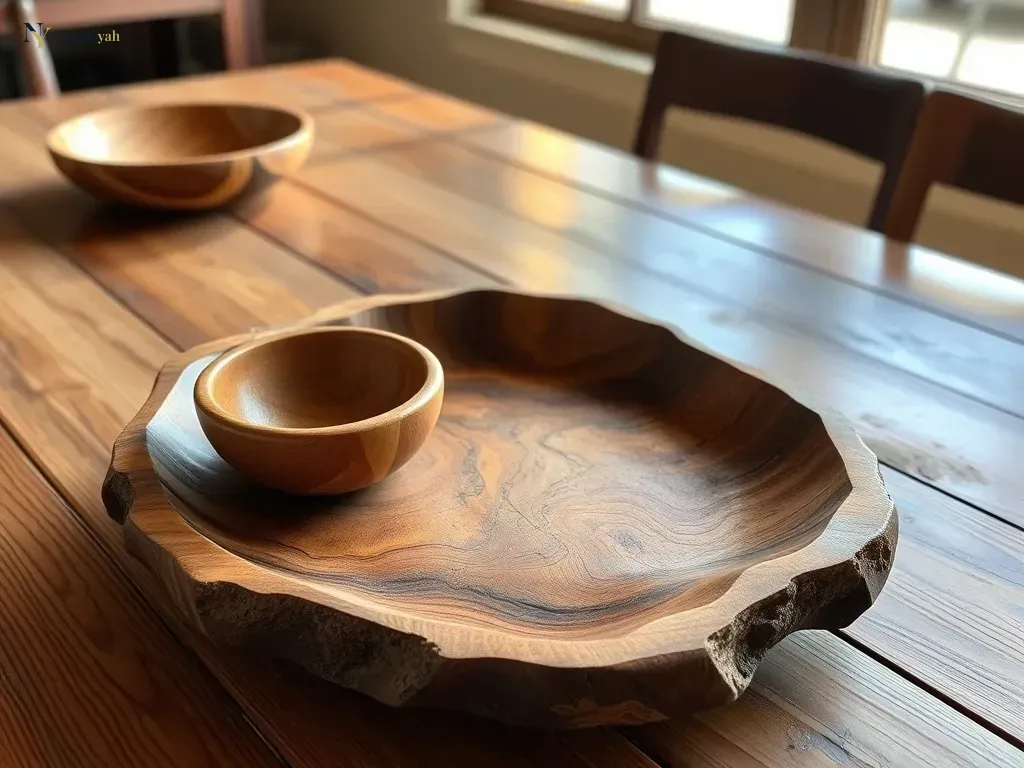
Investing in high-quality items for your home requires a commitment to longevity. Artisan wooden serveware care is essential if you want your handcrafted pieces to remain functional and beautiful for generations. Wood is a living material that reacts to its environment, meaning proper maintenance is not just a suggestion but a necessity for any collector of fine home goods. When you understand how to treat natural timber, you protect the investment you made in authentic craftsmanship. At Namayah, we take pride in our heritage-inspired products, and we want to help you preserve their natural elegance. By following simple, consistent habits, you can prevent common issues like drying, cracking, or warping. This guide provides the expert knowledge you need to maintain your collection with confidence and ease. Proper care starts with understanding the unique properties of the wood species used in your serveware. Whether you possess rich walnut, durable teak, or fragrant rosewood, the foundation of care remains remarkably similar. Always remember that extreme conditions are the primary enemy of natural wood. Therefore, keeping your pieces away from heat sources and excess moisture is the golden rule of maintenance. For more insights into our approach to quality, feel free to visit our about us page to learn about our values.
The Essentials of Daily Cleaning
Proper Handwashing Techniques
Daily maintenance is the most effective way to ensure your wooden serveware stands the test of time. Never place your wooden platters or bowls in the dishwasher, as the high heat and harsh detergents will destroy the wood fibers. Instead, wash your items by hand using warm water and a very mild soap. Use a soft sponge or cloth to gently remove food residue without scratching the surface. Immediately after washing, pat the item dry with a clean kitchen towel. Do not let wooden items soak in the sink, as prolonged water exposure causes the wood to swell, which leads to permanent damage or splitting.
Drying and Storage Protocols
After washing, air-drying is often the safest method, but you must ensure adequate airflow. Place your serveware on a drying rack in a vertical position to allow both sides to breathe evenly. Never store wooden items in a closed, humid cupboard immediately after washing. Once completely dry, store them in a cool, dry place away from direct sunlight. Sunlight can fade the natural pigments of the wood and cause uneven drying, which is a major contributor to stress fractures. If you live in a particularly dry climate, you may need to monitor your wooden items more closely to ensure they do not become overly brittle over time.
Deep Conditioning for Longevity
Choosing the Right Oil
Over time, even the most well-cared-for wood will begin to look dull. This is when you should introduce a food-safe conditioning treatment to replenish the natural oils. Mineral oil is the industry standard because it is odorless, tasteless, and will not go rancid. You can also find specialized beeswax or carnauba wax blends that provide an extra layer of protection against moisture. Avoid using olive or vegetable oils, as these organic fats will eventually spoil and create a sticky, unpleasant surface on your beautiful serveware.
Step-by-Step Oiling Process
Start by ensuring your wooden piece is perfectly clean and dry before applying any treatment. Pour a small amount of food-grade mineral oil onto a lint-free cloth and apply it in the direction of the wood grain. Work the oil into the surface evenly, paying extra attention to dry spots or edges. Let the piece sit for several hours or overnight to allow the oil to penetrate deep into the fibers. Finally, buff away any excess oil with a fresh, clean cloth to leave a soft, satiny finish. Repeating this process every few months will keep your items looking vibrant and supple. According to the USDA Food Safety and Inspection Service, proper sanitation is critical for kitchen tools, so always ensure your oil is food-grade to maintain safety standards.
Preventing Common Damage
Avoiding Thermal Shock
Wood is highly sensitive to rapid changes in temperature. Never place hot serving dishes directly onto a wooden board or leave wooden utensils in a boiling pot. This exposure causes the wood to expand and contract too quickly, leading to cracks or warping. If you are serving hot food, use a heat-resistant trivet between your wooden serveware and the hot dish. Similarly, avoid placing your wooden pieces in the freezer or near heaters. Consistency is the best way to prevent structural failure in handcrafted timber products.
Managing Moisture and Stains
Strongly flavored or acidic foods can sometimes stain or linger in the wood grain. For instance, citrus, berries, or heavy spices might leave a mark if left on the wood for too long. If you notice a stubborn stain, create a gentle paste using baking soda and water to scrub the area lightly. Alternatively, rubbing a lemon wedge over the surface can help neutralize odors and sanitize the wood naturally. After using these methods, always follow up with a fresh coat of conditioning oil. For those interested in broader home maintenance, you can check out our tips on preventing tarnishing to keep your metal accessories in top condition as well.
Understanding Wood Patina
Embracing Natural Changes
Many enthusiasts love the evolving character of wood as it ages. A slight darkening of the color or the development of a soft patina is a mark of quality and regular use. Unlike plastic, which degrades and loses its appeal, wood improves with age if it is treated with respect. Do not worry if your piece changes slightly over the years, as this is part of the charm of owning natural materials. Regular oiling will help manage this process while ensuring the wood remains healthy rather than just aged.
When to Seek Professional Advice
Sometimes, despite our best efforts, a wooden item might sustain a deeper scratch or a more significant crack. If you notice a deep gouge, you might consider lightly sanding the area with fine-grit sandpaper, following the grain direction. However, if the structural integrity is compromised, it is best to consult an expert. You can find more information about maintaining different materials by checking authoritative guides from the Forest Products Laboratory regarding wood stability. If you are ever unsure about a repair, reaching out to the maker is always the safest path to preservation.
Conclusion
Artisan wooden serveware care is a rewarding practice that honors the skill of the craftsman who created your piece. By integrating these simple habits into your routine, you ensure that your serveware remains a centerpiece of your dining experience for years. Remember to wash by hand, avoid extreme temperatures, and apply food-safe oil regularly. These small acts of maintenance preserve the natural beauty and structural health of your collection. Your wooden items are more than just tools; they are reflections of nature and artistry. Treat them well, and they will continue to serve your family with grace, warmth, and enduring style in every meal you share.