
Artisan Wooden Serveware Care: A Guide to Lasting Beauty
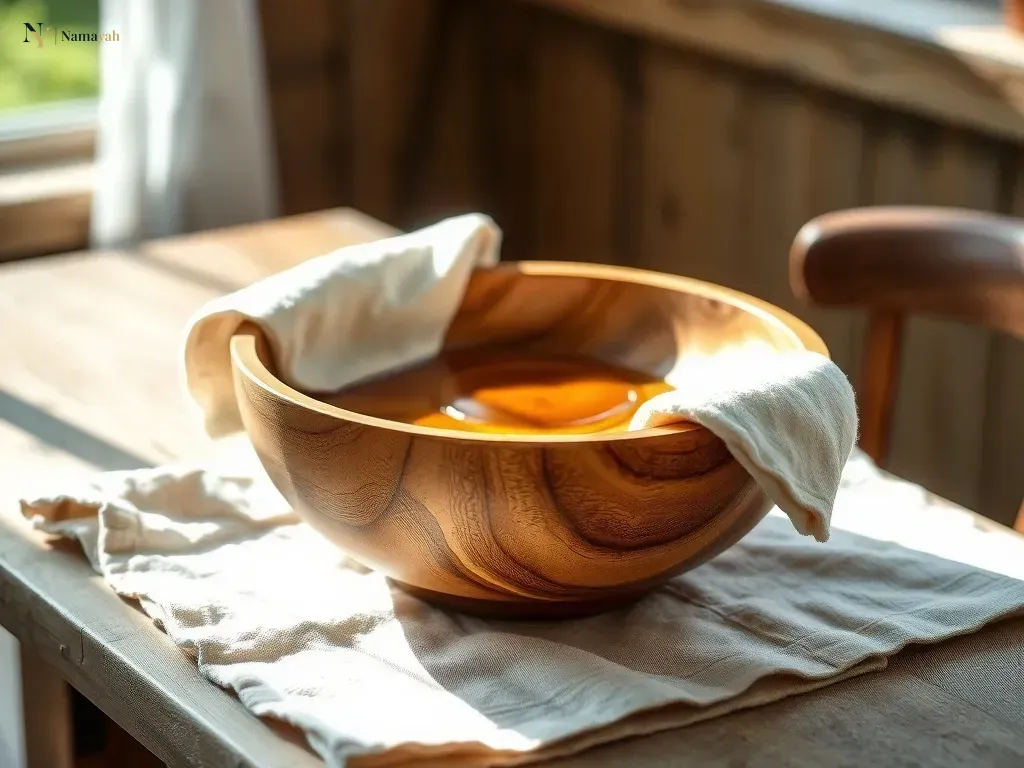
Maintaining your artisan wooden serveware care routine is essential to preserve the natural warmth and integrity of these beautiful pieces. When you invest in handcrafted wooden items, you are bringing a piece of nature and tradition into your dining space. Properly caring for these treasures ensures they remain functional and aesthetically pleasing for generations. Understanding the material is the first step in successful maintenance. Wood is a porous, living material that reacts to its environment. Therefore, it requires specific attention to prevent drying, cracking, or warping over time. By following a consistent care schedule, you can protect the finish and prevent food residue from penetrating the wood grain. This guide provides practical steps to keep your collection in pristine condition. For those interested in the story behind these pieces, you can learn more about our journey.
Understanding Wood Resilience
The Nature of Natural Materials
Natural wood possesses unique patterns and textures that synthetic materials cannot replicate. Because it is organic, wood expands and contracts with changes in humidity and temperature. This natural movement is normal, but extreme conditions can cause structural damage. For example, placing wooden serveware near a radiator or in direct sunlight can lead to rapid moisture loss. This process often results in splintering or cracking. Therefore, keeping your pieces in a stable environment is crucial for longevity.
Why Proper Care Matters
Consistent maintenance prevents the buildup of bacteria and mold. Wood naturally contains antimicrobial properties, but these are only effective when the surface is properly sealed. When the finish wears down, the wood becomes more susceptible to moisture and food particles. Regular oiling creates a protective barrier that seals the pores. This barrier keeps the wood supple and prevents it from looking dull or faded. Proper care keeps your investment looking as vibrant as the day you purchased it.
Daily Cleaning Best Practices
Washing Your Serveware
Never submerge wooden serveware in water for extended periods. Water causes the wood to swell, which can compromise the glue joints and overall structure. Instead, wash your pieces by hand using mild dish soap and warm water. For more information on maintaining various household items, check out our guide for cleaning tips. Use a soft sponge or cloth to wipe away debris gently. After washing, rinse the piece thoroughly under a low-flow tap. Do not use a dishwasher, as the high heat and harsh detergents will strip the natural oils immediately.
Drying Techniques
Immediate drying is the most critical step in your daily routine. Use a lint-free towel to remove all visible moisture from the surface. Then, place the item in a well-ventilated area to air dry completely before storing it. Do not stack wet items, as this traps moisture and creates a breeding ground for bacteria. Proper airflow is vital to ensure that the wood dries evenly across all surfaces. If you notice the wood feeling rough, it may be time for a light sanding followed by oiling.
Deep Maintenance and Oiling
Choosing the Right Oil
Over time, your wooden serveware will look thirsty or dry. This is when you should apply food-grade mineral oil or beeswax. Avoid vegetable, olive, or nut oils, as these can turn rancid and create sticky residues. Food-grade mineral oil is odorless, tasteless, and safe for contact with food. It penetrates the grain deeply to provide lasting protection. You can find high-quality guidance on sustainable practices through the Forest Stewardship Council for responsible wood sourcing.
The Oiling Process
Start by ensuring the wooden surface is clean and completely dry. Apply a generous layer of food-grade oil using a clean, soft cloth. Work the oil into the grain using circular motions until the wood is saturated. Allow the oil to soak in for several hours or overnight. If the wood remains thirsty, apply a second coat until the grain looks rich and healthy. Finally, wipe off any excess oil with a fresh cloth to prevent a tacky surface. This simple process can rejuvenate even the most tired-looking wooden platters.
Troubleshooting Common Issues
Dealing with Stains and Odors
Wooden serveware can occasionally pick up strong odors from ingredients like garlic or onions. A simple solution involves rubbing the surface with a cut lemon and a sprinkle of coarse salt. The acidity of the lemon neutralizes odors, while the salt acts as a mild abrasive to remove light stains. Rinse well and follow up with an application of food-grade oil. This natural method is safe and effective for almost all hard-wood types.
Preventing Warping
If your wooden piece starts to warp, do not panic. Minor bowing is often caused by uneven drying. You can sometimes correct this by placing the piece on a flat surface with a weighted object for a few days. However, prevention is always superior. Keep your serveware away from direct heat sources and avoid extreme temperature fluctuations. Consistent humidity levels in your home will also help maintain the structural integrity of your collection. For further inquiries on our specific product materials, please contact us for personalized assistance.
Conclusion
Mastering artisan wooden serveware care allows you to enjoy the beauty of handcrafted items for many years. By avoiding the dishwasher, drying your pieces promptly, and oiling them regularly, you protect the soul of the wood. These items are more than just tools; they are pieces of art that carry the history of the maker. Respecting the material ensures that your dining table remains a place of warmth, elegance, and natural charm. Adopting these habits today will reward you with beautiful, durable serveware that stands the test of time. For more tips on living sustainably, consult the Environmental Protection Agency guidelines for eco-friendly home maintenance.