
Artisan Wooden Home Decor: Tips for Timeless Interior Style
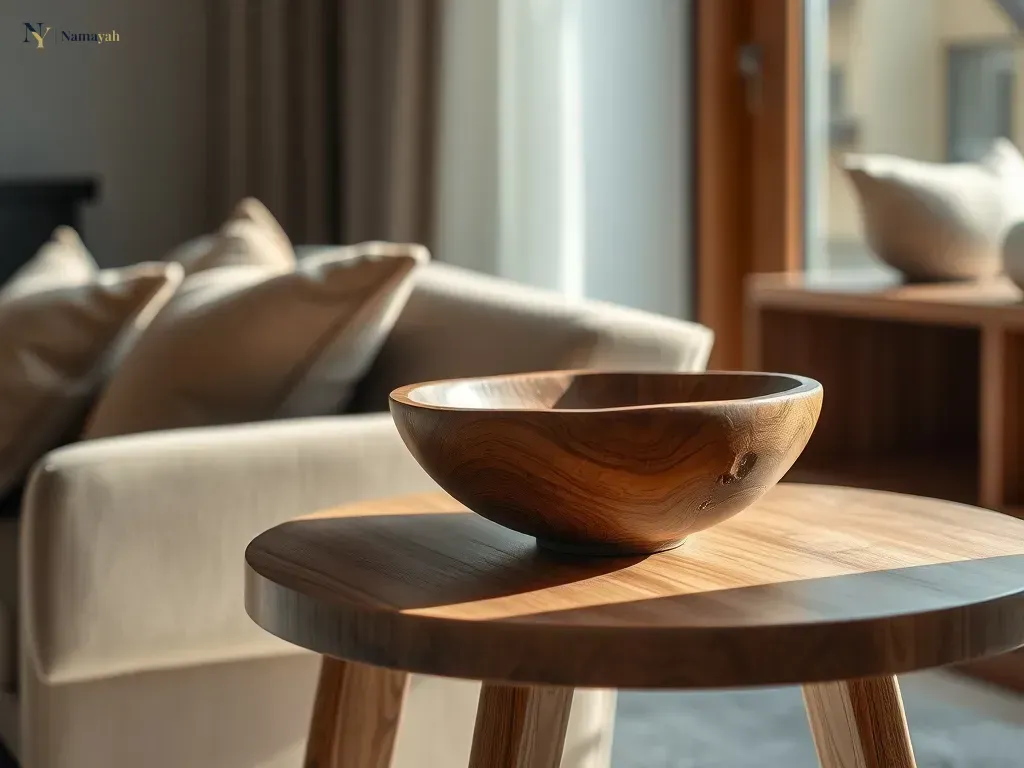
Artisan wooden home decor brings a unique, grounded warmth to any modern living space. When you choose pieces handcrafted by skilled masters, you are not just buying furniture or accessories; you are inviting history and sustainable artistry into your home. This guide will explore how to select, style, and preserve these beautiful treasures to ensure they remain focal points of your interior design for years to come. Whether you prefer rustic charm or polished elegance, wood remains the most versatile material for creating a welcoming atmosphere. Understanding the value of handmade goods is the first step in curating a home that reflects your personal style. To learn more about our commitment to quality, please visit our story.
The Allure of Natural Wooden Accents
Natural wood offers a tactile experience that mass-produced synthetic materials simply cannot replicate. Every grain, knot, and texture tells a story of the tree from which it was carved. In the world of interior design, incorporating organic elements helps balance the coldness of glass or metal surfaces. Artisans often use traditional techniques passed down through generations, ensuring that each item is structurally sound and aesthetically pleasing. By choosing artisan wooden home decor, you support fair trade practices and keep age-old cultural traditions alive. This sustainable approach to luxury living is becoming increasingly popular among homeowners who value both ethics and aesthetics.
Texture and Character in Your Living Space
Texture is the secret weapon of a successful designer. When you introduce a hand-carved wooden bowl or a smooth, polished teak tray, you add layers of visual interest to a room. These pieces provide a soft, natural focal point in otherwise modern or minimalist spaces. They invite touch and curiosity, making your home feel more inviting to guests. Consider the difference between a plastic accessory and one carved from seasoned wood. The latter carries weight, warmth, and a sense of permanence. This balance of function and beauty is exactly why natural wood remains a staple in luxury design.
Selecting Quality Artisan Pieces
Not all wooden items are created equal. When shopping for high-end home goods, look for indicators of superior craftsmanship. First, examine the finish of the wood. A high-quality piece will feel smooth to the touch, with no rough patches or splintering. Artisans should use food-safe, non-toxic oils or waxes to seal the wood, which highlights the natural grain rather than masking it under thick layers of synthetic varnish. Second, check the joinery. Dovetail joints or tight, seamless connections are hallmarks of a skilled craftsman. Avoid items that rely heavily on glue or staples, as these tend to weaken over time. Investing in well-made items is a cornerstone of sustainable luxury home decor.
Wood Types to Consider
Different woods offer different aesthetics. Sheesham, often referred to as Indian Rosewood, is prized for its rich color and durability. It resists warping and decay, making it ideal for kitchenware and serveware. Teak is another excellent choice, known for its high oil content and water resistance. Mango wood provides a lighter, more sustainable alternative, often featuring stunning patterns in the grain. Choosing the right wood depends on the intended use of the item. For kitchen areas, prioritize harder, moisture-resistant woods. For decorative shelves or console tables, softer woods with intricate carving potential may work beautifully.
Styling Your Home with Wood
Styling is an art form. Start by grouping items in odd numbers, such as threes or fives, to create a balanced visual display. If you have a collection of wooden trays or bowls, try layering them on a coffee table. Place a smaller, intricately carved item inside a larger, simpler piece to create depth. Use wooden accents to ground a room that feels too clinical. If you have a white-walled living room, a statement wooden sculpture or a set of hand-turned candle holders can instantly add warmth and contrast. Do not be afraid to mix wood tones, as long as you maintain a cohesive style throughout the space.
Creating a Harmonious Flow
To keep your decor looking intentional, ensure your wooden pieces share a common thread. This could be the finish, the origin, or the carving style. For example, if you love the rustic look, group pieces with raw, live edges. If you prefer a modern aesthetic, stick to sleek, geometric shapes that highlight the wood grain. According to industry standards, mixing tones is perfectly acceptable as long as you maintain a balanced distribution of light and dark elements across the room. This approach ensures your space feels curated rather than cluttered.
Maintenance for Long-Lasting Beauty
Proper care is essential to preserve the luster of your artisan items. Wood is a living material that reacts to changes in humidity and temperature. Avoid placing wooden decor near direct heat sources like radiators or fireplaces, as this can cause the wood to dry out and crack. Instead, keep your items in stable environments. For daily cleaning, a soft, dry cloth is usually sufficient. If you need to deep clean, use a damp cloth followed by immediate drying. Periodically applying a high-quality beeswax or mineral oil will nourish the fibers and prevent the wood from becoming brittle over time.
Handling Spills and Stains
Accidents happen, especially with kitchenware. If a liquid spills on your wooden tray or bowl, wipe it up immediately. Never soak wooden items in water, as this will lead to swelling and potential warping. If a stain persists, a light sanding with fine-grit paper followed by a fresh application of oil can often restore the surface to its original glory. Remember that wood develops a patina over time, which is a natural sign of aging and use. Embrace these small changes as they reflect the life and history of your home pieces. For more technical advice, you can always contact us.
The Environmental Impact of Wood
Choosing artisanal products has a significantly lower carbon footprint than mass-market furniture. Small-scale artisans typically source wood locally, reducing transportation emissions. Furthermore, many artisans work with reclaimed wood or timber from managed forests, ensuring that the environment is respected. By purchasing these items, you are actively participating in a circular economy. This is a vital aspect of modern design practices that prioritize long-term ecological health over short-term trends. Supporting these crafts helps preserve traditional techniques that might otherwise be lost in an era of industrial automation.
Conclusion
Artisan wooden home decor is more than just a trend; it is a commitment to timeless quality and sustainable living. By understanding the material, selecting pieces with care, and maintaining them correctly, you can enjoy these treasures for a lifetime. Whether you are adding a single statement piece or curating a complete collection, let the natural beauty of wood define your home. Embrace the warmth, the texture, and the unique character that only handcrafted items can provide. Your home is a canvas, and these pieces are the brushstrokes that make it truly yours. Start your collection today and enjoy the enduring charm of nature-inspired design.