
Artisan-Made Copper Collections Worth Investing In
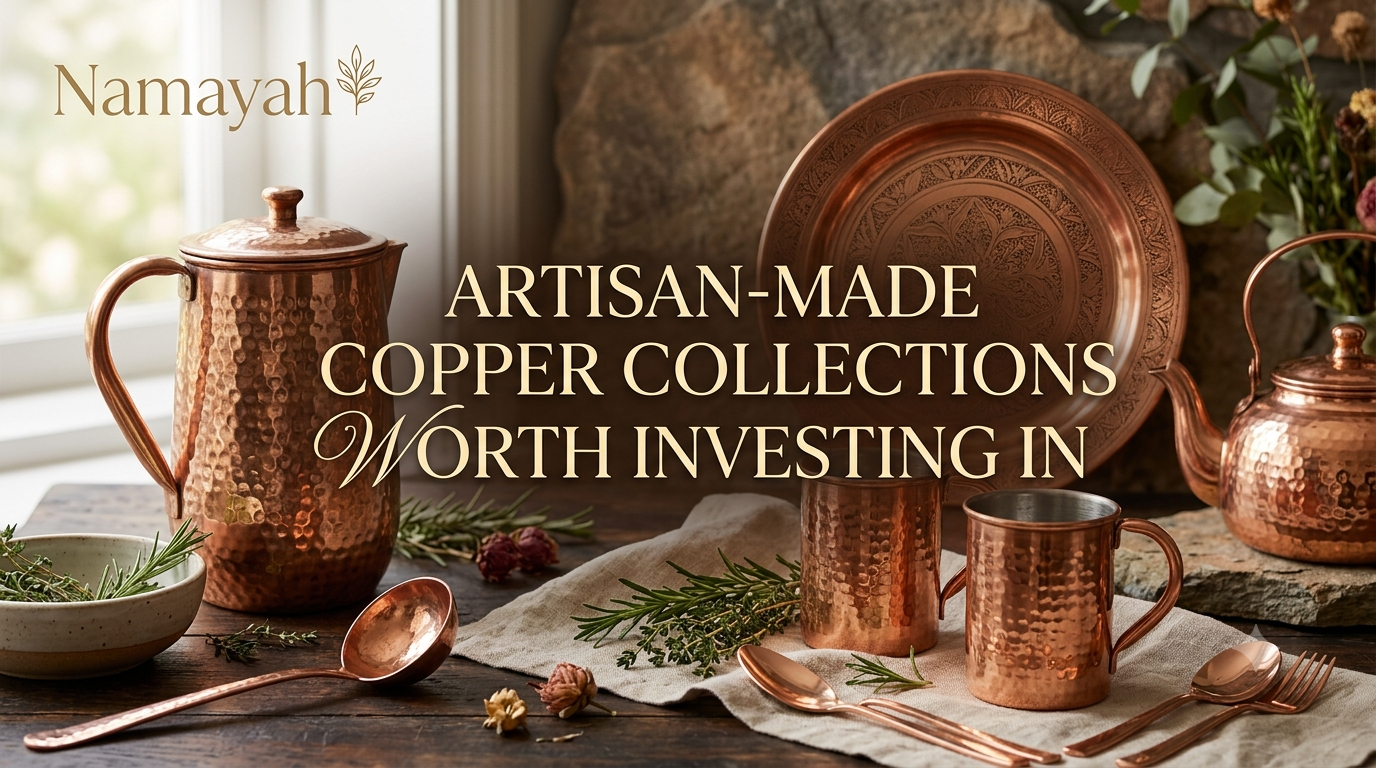
Introduction to Artisan-Made Copper Collections Worth Investing In
In a world dominated by mass production, handcrafted artistry continues to stand out. Artisan-Made Copper Collections Worth Investing In represent more than decorative objects; they embody history, craftsmanship, cultural heritage, and lasting value. Whether displayed as home décor, used as functional cookware, or collected as fine art, artisan-made copper pieces possess a unique charm that machine-made products simply cannot replicate.
Collectors, interior designers, and investors alike are recognizing the enduring appeal of handcrafted copper creations. Their combination of aesthetic beauty and practical utility makes them highly desirable in today’s market.
The Rich Heritage of Copper Craftsmanship
Ancient Origins of Copper Artistry
Copper has been used by civilizations for thousands of years. Ancient Egyptians, Greeks, Romans, and Mesopotamians valued copper for its versatility and durability. Artisans transformed this metal into tools, jewelry, ceremonial objects, and decorative masterpieces.
Many historical artifacts crafted from copper still exist today, demonstrating the metal’s remarkable longevity. This enduring quality is one reason why copper remains attractive to modern collectors.
How Traditional Techniques Survive Today
Many contemporary artisans continue using age-old techniques such as:
- Hand hammering
- Repoussé metalworking
- Engraving
- Chasing
- Hand polishing
These traditional methods preserve cultural craftsmanship while producing truly one-of-a-kind pieces.
What Makes Artisan-Made Copper Pieces Unique
Handcrafted Versus Mass-Produced Copper
Mass-produced copper items are manufactured quickly and uniformly. While functional, they often lack character and individuality.
Artisan-made copper pieces differ significantly because:
| Artisan-Made | Mass-Produced |
|---|---|
| Handcrafted individually | Machine manufactured |
| Unique design variations | Identical appearance |
| Higher craftsmanship quality | Standardized production |
| Cultural significance | Commercial focus |
| Limited availability | Widely available |
Every hammer strike and engraving mark contributes to the story of an artisan-made object.
The Value of Individual Craftsmanship
Collectors appreciate authenticity. A handmade copper bowl, vase, or sculpture often reflects hundreds of hours of skilled labor. The artisan’s expertise transforms raw copper into functional art.
As appreciation for handcrafted goods grows worldwide, the value of these creations continues to rise.
Types of Artisan-Made Copper Collections Worth Investing In
Decorative Home Décor Pieces
Copper décor remains popular in both traditional and modern interiors. Common collectible pieces include:
- Wall art
- Decorative trays
- Handmade vases
- Candle holders
- Decorative bowls
Their warm metallic glow adds sophistication to virtually any space.
Handmade Copper Cookware
Copper cookware is highly prized by professional chefs due to its excellent heat conductivity.
Popular collectible items include:
- Copper pots
- Saucepans
- Tea kettles
- Roasting pans
- Specialty cookware
Well-maintained copper cookware can remain functional for generations.
Sculptures and Artistic Installations
Fine-art copper sculptures often appreciate significantly over time, especially when created by recognized artists.
Collectors frequently seek:
- Abstract sculptures
- Wildlife art
- Garden installations
- Architectural copper works
Jewelry and Fashion Accessories
Copper jewelry combines artistry with affordability. Artisan-made collections may include:
- Bracelets
- Necklaces
- Earrings
- Rings
- Decorative belt buckles
Unique handcrafted designs often become highly collectible.
Benefits of Investing in Artisan-Made Copper Collections Worth Investing In
Long-Term Value Appreciation
One major reason investors pursue artisan copper collections is their potential for appreciation.
Factors supporting value growth include:
- Limited production
- Increasing demand
- Artistic recognition
- Historical significance
- Material value
Unlike many consumer goods, handcrafted copper pieces can become more valuable over time.
Sustainability and Eco-Friendly Appeal
Today’s buyers increasingly value sustainable products. Copper is:
- Recyclable
- Durable
- Environmentally friendly
- Long-lasting
Purchasing artisan-made copper supports small-scale craftsmanship and sustainable production methods.
Cultural and Historical Significance
Many artisan copper works reflect regional traditions and centuries-old techniques. Ownership often means preserving a piece of cultural history.
Collectors frequently view their acquisitions as both investments and heritage preservation efforts.
How to Identify High-Quality Artisan Copper Pieces
Signs of Authentic Handcrafting
Look for characteristics such as:
- Slight variations in texture
- Hand-hammered surfaces
- Artisan signatures
- Tool marks
- Custom detailing
Perfection is not always a sign of quality. Small variations often indicate genuine handcraftsmanship.
Materials and Finishing Techniques
High-quality artisan copper typically features:
- Pure copper construction
- Consistent thickness
- Professional finishing
- Durable protective coatings
Patina and Aging Characteristics
One fascinating aspect of copper is its natural aging process. Over time, copper develops a patina that can enhance both appearance and value.
Collectors often seek naturally aged pieces because the patina contributes to authenticity and uniqueness.
Factors That Influence Market Value
Artist Reputation
As artisans gain recognition, demand for their work often increases. Pieces from respected craftspeople generally command higher prices.
Rarity and Limited Editions
Limited production runs create scarcity. Scarcity frequently drives collector demand and market value.
Provenance and Documentation
Documentation can significantly increase value.
Important records include:
- Certificates of authenticity
- Artist biographies
- Purchase receipts
- Exhibition records
Well-documented pieces are generally easier to resell.
Caring for Your Copper Collection
Cleaning and Maintenance Tips
Proper care protects both beauty and value.
Best practices include:
- Dust regularly.
- Avoid harsh chemicals.
- Use gentle copper cleaners.
- Dry thoroughly after cleaning.
- Handle with clean hands.
Proper Storage Methods
For long-term preservation:
- Store in low-humidity environments.
- Avoid direct sunlight.
- Use soft protective coverings.
- Keep pieces separated to prevent scratches.
Consistent care helps maintain investment quality.
Where to Buy Authentic Artisan Copper Collections
Galleries and Craft Fairs
Reputable galleries often provide direct access to skilled artisans. Craft fairs also allow collectors to meet creators and learn about production methods.
Online Artisan Marketplaces
Many collectors now purchase through specialized online platforms that focus on handmade goods.
Useful resources include:
- https://www.etsy.com
- Independent artisan websites
- Museum gift shops
- Specialty craft marketplaces
Evaluating Seller Credibility
Before purchasing:
- Read customer reviews.
- Verify authenticity guarantees.
- Request detailed photos.
- Ask about materials and techniques.
- Confirm return policies.
Careful evaluation reduces investment risk.
Common Mistakes Investors Should Avoid
Overlooking Authenticity
One of the biggest mistakes is purchasing pieces without verifying their origin. Authentic artisan work should include evidence of craftsmanship and provenance whenever possible.
Ignoring Maintenance Requirements
Even valuable copper pieces can lose appeal if neglected. Understanding maintenance needs is essential for preserving long-term value.
Future Trends in Artisan Copper Collecting
Rising Demand for Sustainable Luxury
Consumers increasingly prefer products that combine sustainability with craftsmanship. Copper collections align perfectly with this trend.
Global Appreciation for Handmade Goods
The handmade movement continues gaining momentum worldwide. Buyers increasingly seek products with meaningful stories and authentic craftsmanship.
This growing demand may further strengthen the market for artisan-made copper collections in the coming years.
Frequently Asked Questions
1. Why are artisan-made copper collections considered valuable?
They combine craftsmanship, rarity, functionality, cultural significance, and long-term durability, making them attractive to collectors and investors.
2. Does copper appreciate in value over time?
Many artisan-made copper pieces can appreciate, especially those created by recognized artists or produced in limited quantities.
3. How can I verify a copper piece is handmade?
Look for hand-tool marks, artisan signatures, documentation, and slight variations that indicate manual craftsmanship.
4. Is copper cookware collectible?
Yes. High-quality artisan copper cookware is often sought after for both culinary performance and collectible value.
5. What affects the value of artisan copper artwork?
Artist reputation, rarity, craftsmanship quality, provenance, condition, and market demand all influence value.
6. Should copper patina be removed?
Not always. Natural patina often enhances authenticity and may increase collectible appeal, depending on the piece.
Conclusion
Artisan-Made Copper Collections Worth Investing In offer a compelling combination of beauty, craftsmanship, cultural significance, and potential financial appreciation. Unlike mass-produced items, these handcrafted treasures tell unique stories through every hammer mark, engraving, and carefully shaped detail.
As global demand for authentic handmade goods continues to rise, artisan copper collections are positioned to remain highly desirable among collectors and investors alike. Whether you’re drawn to decorative art, cookware, jewelry, or sculpture, investing in quality artisan-made copper pieces can provide lasting enjoyment while preserving a valuable artistic tradition.