
Sustainable Corporate Gifting Solutions
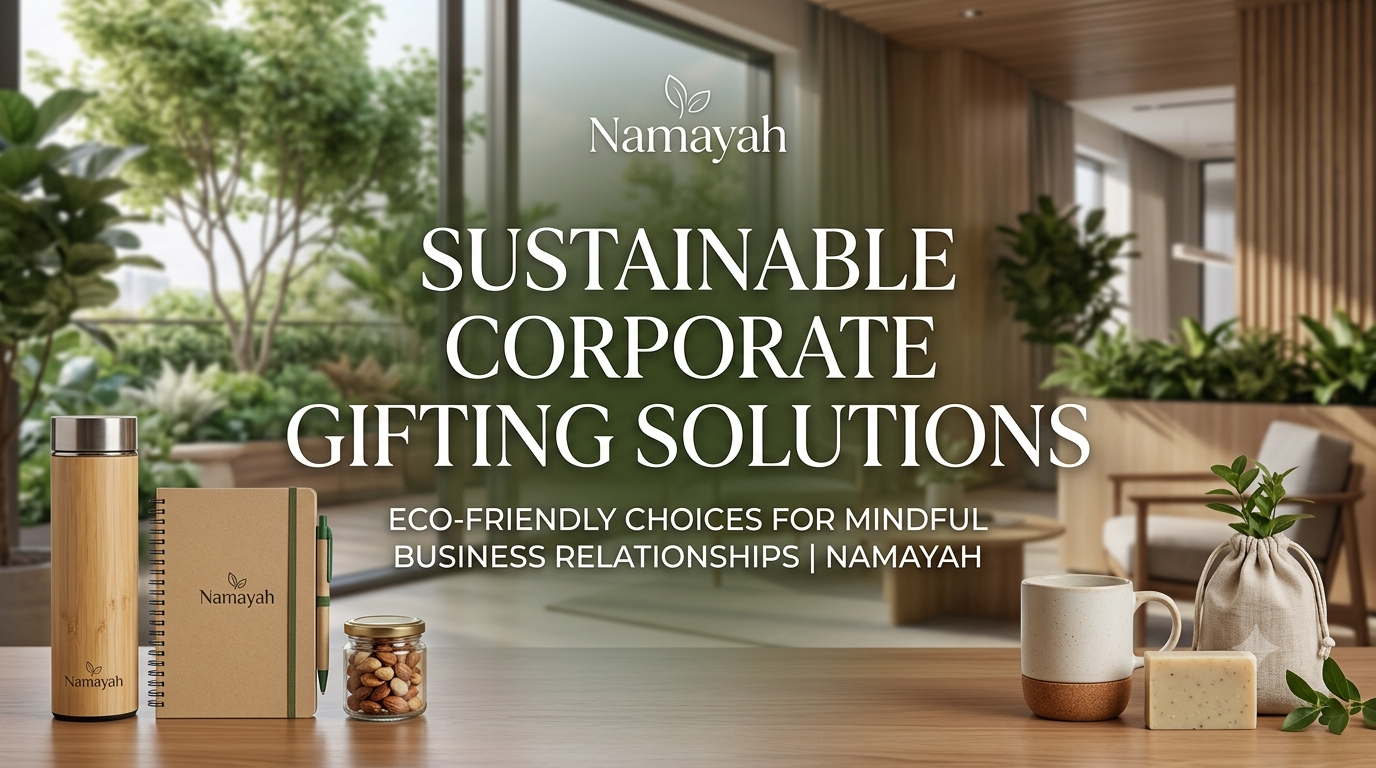
Corporate gifting is more than a way to celebrate milestones or thank employees and clients. The products a company chooses can also communicate its values. Sustainable corporate gifting solutions help businesses combine appreciation, practicality, branding, and more responsible purchasing decisions.
Instead of choosing disposable promotional products or gifts that have little long-term use, companies can consider reusable products, recycled or upcycled materials, responsibly sourced items, useful everyday accessories, and lower-waste packaging.
Sustainable procurement broadly considers environmental, social, and economic factors alongside traditional purchasing considerations. This makes corporate gifting an opportunity to apply sustainability principles to an activity that many organizations already perform.
What Is Sustainable Corporate Gifting?
Sustainable corporate gifting means selecting business gifts with environmental and social considerations in mind throughout the purchasing process.
A sustainable gift may use recycled, upcycled, renewable, natural, or responsibly sourced materials. It may also be designed for long-term use, packaged with less unnecessary material, or produced through processes that support responsible sourcing and local or artisan communities.
The important point is that a green label alone does not automatically make a product sustainable. Businesses should look at the material, durability, packaging, sourcing, production, transportation, and expected useful life of the gift.
For example, a reusable bottle that someone uses regularly may be more practical than a novelty item that quickly becomes unwanted. Similarly, an attractive gift made from recycled materials can combine brand visibility with resource-conscious design.
Why Businesses Are Choosing Sustainable Gifts
Sustainable gifting can support several business objectives at the same time.
1. It Reflects Corporate Values
A thoughtfully selected gift can reinforce a company’s approach to responsible business practices. Sustainability-focused procurement considers more than the initial purchase price and can incorporate environmental and social considerations.
This makes gifting another touchpoint where a company’s values can become visible.
2. It Prioritizes Practicality
Useful gifts are more likely to become part of a recipient’s daily routine. Reusable bottles, bags, notebooks, desk accessories, planters, and similar products can have practical applications at work or home.
The goal should not simply be to find something labeled “eco-friendly.” It should be to select something that the recipient will genuinely want to keep and use.
3. It Can Reduce Unnecessary Waste
Choosing durable, reusable, recyclable, or upcycled products can be part of a broader effort to reduce unnecessary consumption.
Some sustainable corporate gifting providers, for example, offer products made with recycled or upcycled materials and emphasize reuse and circularity.
4. It Creates More Meaningful Gifting Experiences
A sustainable gift can tell a story. A handmade product may highlight craftsmanship. An upcycled product can communicate resourcefulness. A reusable product can become part of someone’s daily routine.
That additional meaning can make business gifting feel less transactional.
Types of Sustainable Corporate Gifts
There is no single category of sustainable corporate gift. Businesses can select products based on their audience, budget, occasion, branding requirements, and sustainability priorities.
Reusable and Everyday Gifts
Practical reusable products are among the easiest categories to integrate into corporate gifting programs.
Examples include:
- Reusable water bottles
- Insulated drinkware
- Coffee cups
- Tote and jute bags
- Lunch boxes
- Reusable travel accessories
- Desk organizers
- Notebooks and journals
- Bamboo or wooden accessories
These products work particularly well for employee onboarding, conferences, appreciation programs, and promotional campaigns.
Recycled and Upcycled Gifts
Recycled and upcycled products can give discarded or previously used materials another purpose.
Possible options include:
- Recycled stationery
- Recycled fabric bags
- Upcycled desk accessories
- Recycled plastic products
- Repurposed materials
- Recycled paper packaging
- Accessories made from recovered materials
For businesses interested in circular approaches, asking suppliers how materials are sourced and processed can be more useful than relying solely on broad sustainability labels.
Plant-Based and Natural Gifts
Natural-material products can provide another direction for sustainable gifting.
Depending on the supplier and product, options may include:
- Jute products
- Bamboo accessories
- Wooden desk items
- Natural-fiber bags
- Seed-paper stationery
- Small plants or planters
- Artisan-made products using natural materials
However, natural does not automatically mean sustainable. Companies should still consider durability, sourcing, processing, packaging, and end-of-life options.
Sustainable Gift Hampers
Gift hampers are useful when a company wants to combine several products into one personalized experience.
A sustainable corporate hamper might include:
- Reusable drinkware
- Eco-conscious stationery
- Artisan products
- Sustainable snacks
- Natural personal-care products
- Small plants
- Reusable bags
- A personalized company note
Sustainable packaging can complete the experience by replacing excessive plastic and unnecessary layers with reusable, recyclable, or appropriately sourced alternatives.
Sustainable Gifts for Different Business Occasions
The best corporate gift depends on the recipient and occasion.
Employee Welcome Kits
For new employees, focus on useful products they can use during their working day.
A welcome kit could include a reusable bottle, notebook, tote bag, desk accessory, and personalized welcome message.
Employee Appreciation
For employee recognition, consider gifts that feel personal rather than generic.
Wellness products, premium reusable accessories, artisan products, personalized hampers, or experience-based rewards can be considered depending on the budget and audience.
Client and Partner Gifting
Client gifts should balance professionalism with usefulness.
Premium drinkware, quality notebooks, sustainable desk accessories, curated hampers, or handcrafted products can work well when selected according to the recipient’s preferences.
Conferences and Corporate Events
Events often require gifts or merchandise at scale. Lightweight reusable bags, notebooks, bottles, badges, and practical event accessories can be considered.
For large quantities, procurement teams should pay particular attention to durability, packaging, shipping requirements, minimum order quantities, and customization lead times.
Festive Corporate Gifting
Festive hampers can combine sustainability with personalization.
Rather than filling a hamper with disposable promotional products, businesses can select a smaller number of useful items and present them in reusable or recyclable packaging.
How to Choose the Right Sustainable Corporate Gift
Choosing a sustainable corporate gift requires more than picking an attractive product.
1. Start With the Recipient
Ask who will receive the gift.
An employee welcome kit may require different products from an executive client gift or a conference giveaway. Understanding the recipient helps prevent unnecessary purchases.
2. Prioritize Usefulness
Ask a simple question:
Will the recipient realistically use this product?
A practical product that lasts can be more valuable than a novelty item with a stronger sustainability claim but little real-world use.
3. Examine Materials
Find out what the product is made from and whether the supplier can explain its material claims.
Look for clear information about recycled content, natural materials, responsible sourcing, or other relevant attributes.
4. Consider Durability
Sustainability should not be separated from product quality.
A durable item that remains useful for years can be preferable to a low-quality product that needs to be replaced quickly.
5. Review the Packaging
Packaging is part of the gifting experience and should be included in the sustainability assessment.
Look for opportunities to reduce unnecessary layers, excessive plastic, and packaging that has no practical second use.
6. Check Supplier Transparency
Ask suppliers questions about:
- Material sourcing
- Manufacturing
- Product durability
- Packaging
- Customization
- Minimum order quantities
- Delivery timelines
- Certifications, where applicable
- Social or artisan impact claims
Clear answers make it easier for procurement teams to compare suppliers responsibly.
Customization and Branding for Sustainable Gifts
Sustainable corporate gifts do not need to look generic.
Businesses can often personalize products through:
- Company logos
- Brand colors
- Printed messages
- Engraving
- Custom packaging
- Personalized cards
- Event-specific designs
- Employee names
The key is to avoid excessive branding that reduces the usefulness or visual appeal of the product.
A subtle logo on a well-designed reusable product can keep the gift professional while allowing the recipient to continue using it.
Sustainable Packaging Matters Too
A sustainable gift can lose some of its environmental value if it is surrounded by unnecessary packaging.
Businesses can review the complete packaging journey, including:
- Outer shipping packaging
- Gift box or bag
- Product wrapping
- Protective materials
- Printed inserts
- Decorative elements
Where practical, companies can consider recyclable, reusable, recycled-content, or minimal packaging.
Packaging can also become part of the gift itself. A reusable fabric bag, storage box, or durable container can provide a second function instead of immediately becoming waste.
Common Sustainable Corporate Gifting Mistakes to Avoid
Choosing a Product Solely Because It Says “Eco-Friendly”
Marketing terminology is not enough. Ask what specifically makes the product more sustainable.
Ignoring Product Quality
A sustainable gift that breaks quickly may not deliver the intended value. Durability should be part of the selection criteria.
Overbranding the Product
Too much branding can make an item less appealing for everyday use. Keep personalization appropriate to the audience.
Using Excessive Packaging
Multiple layers of wrapping, plastic, filler, and decorative materials can undermine an otherwise responsible gifting approach.
Buying Without Considering the Recipient
A gift is only useful when it matches the recipient’s needs. Avoid ordering large quantities of products simply because they are inexpensive.
Making Unverified Environmental Claims
Businesses should avoid describing a product as “zero impact,” “100% sustainable,” or similarly absolute unless those claims can be substantiated.
How to Build a Sustainable Corporate Gifting Strategy
Companies that purchase gifts regularly can move from individual orders to a repeatable gifting strategy.
Step 1: Define Your Sustainability Priorities
Decide what matters most.
For example, your organization may prioritize reusable products, recycled materials, local craftsmanship, minimal packaging, or longer product life.
Step 2: Segment Recipients
Create categories such as:
- Employees
- New hires
- Clients
- Partners
- Executives
- Event attendees
- Long-service employees
Different groups can receive different gift types and price points.
Step 3: Create Budget Tiers
Develop practical categories such as entry-level, standard, premium, and executive gifting.
This makes future purchasing faster while maintaining consistency.
Step 4: Build a Supplier Evaluation Checklist
Compare suppliers using criteria such as product quality, material transparency, customization, packaging, lead times, minimum order quantities, and delivery capability.
Step 5: Measure What Matters
Instead of making vague sustainability claims, track measurable purchasing information where available.
For example, businesses can record quantities purchased, reusable product categories, packaging choices, and supplier sustainability documentation.
Step 6: Review the Program Regularly
After each gifting campaign, ask recipients and internal teams what worked.
Which gifts were used? Which were appreciated? Which products created logistical problems?
These insights can improve future purchasing decisions.
Frequently Asked Questions
What are sustainable corporate gifting solutions?
Sustainable corporate gifting solutions are business gifts selected with environmental and social considerations in mind. They can include reusable, recycled, upcycled, natural-material, responsibly sourced, durable, and lower-waste products.
What are some popular sustainable corporate gift ideas?
Popular options include reusable bottles, jute or fabric bags, recycled stationery, bamboo or wooden desk accessories, planters, sustainable hampers, reusable drinkware, and artisan-made products.
Are sustainable corporate gifts more expensive?
Not necessarily. Costs depend on the product, material, quality, customization, order volume, packaging, and supplier. Businesses can create sustainable gifting programs across different budget levels.
How can companies customize sustainable corporate gifts?
Depending on the product, businesses can use subtle logo placement, engraving, custom packaging, printed messages, personalized cards, or event-specific designs.
What makes a corporate gift genuinely sustainable?
Look beyond the label. Consider the product’s materials, durability, sourcing, manufacturing, packaging, transportation, usefulness, and end-of-life options. Sustainability is better assessed as a combination of factors rather than a single marketing claim.
Are sustainable gifts suitable for clients?
Yes. Sustainable gifts can be appropriate for clients when they are professional, useful, high-quality, and aligned with the recipient’s preferences. Premium reusable products, curated hampers, and well-designed artisan gifts can work particularly well.
How can companies reduce waste from corporate gifting?
Companies can prioritize useful and durable products, avoid unnecessary promotional items, reduce packaging, select reusable products, order according to realistic quantities, and work with suppliers that provide transparent material information.
How can businesses choose a sustainable corporate gifting supplier?
Compare suppliers based on product quality, material transparency, customization options, packaging, production capacity, delivery timelines, minimum order quantities, pricing, and evidence supporting sustainability-related claims.
Conclusion
Sustainable corporate gifting solutions give businesses a practical way to rethink how they recognize employees, appreciate clients, celebrate milestones, and promote their brands.
The strongest approach is not simply to choose a product marketed as eco-friendly. Instead, businesses should consider the entire gifting experience—from material selection and product durability to packaging, customization, sourcing, and actual usefulness.
Reusable products, recycled and upcycled gifts, natural-material products, artisan goods, and thoughtfully assembled hampers can all form part of a responsible gifting strategy.
Ultimately, the best corporate gift is one that combines usefulness, quality, thoughtful design, and credible sustainability considerations. When those elements come together, corporate gifting can become more meaningful for recipients while supporting broader responsible procurement goals.