
Artisan Gifts That Stand the Test of Time
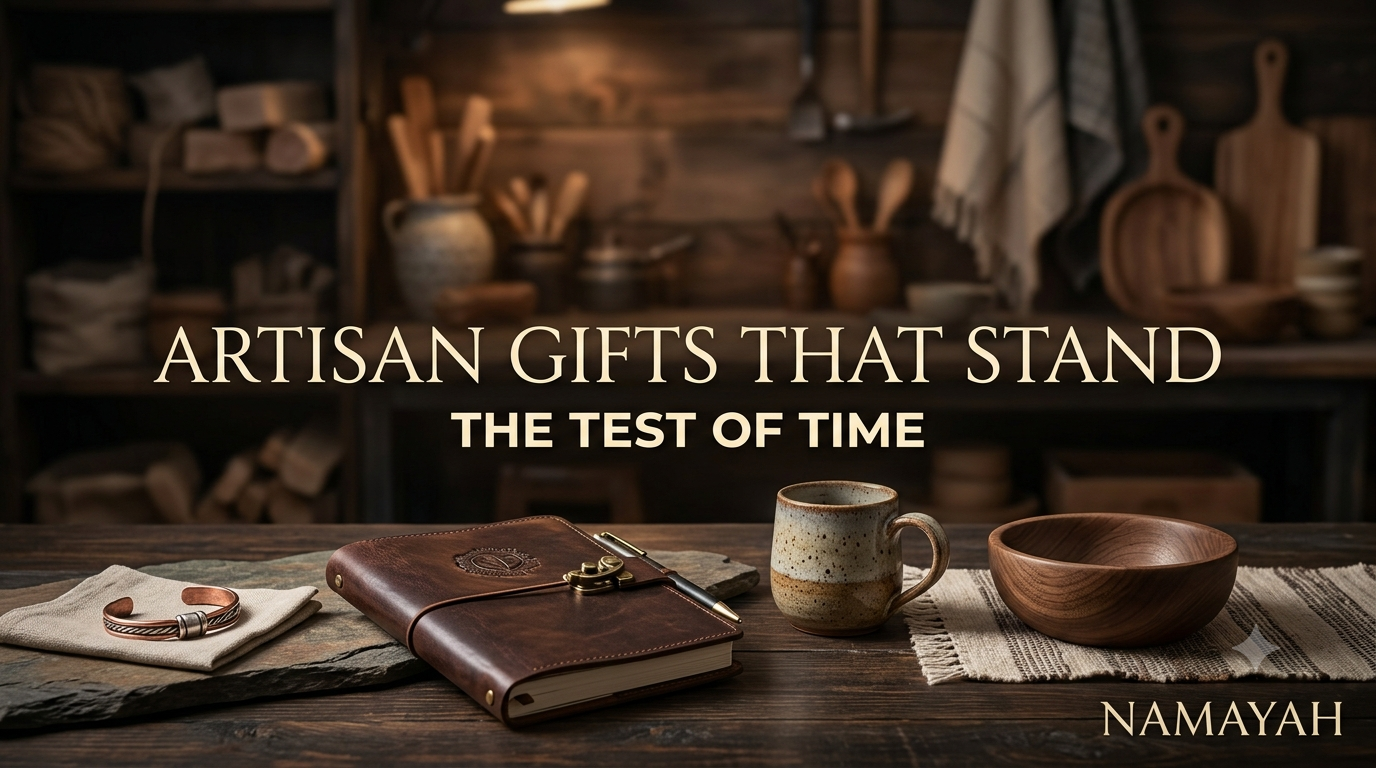
A great gift does more than create a moment of excitement. The best artisan gifts continue to be useful, beautiful, and meaningful long after the occasion has passed. Handcrafted ceramics, wooden keepsakes, woven textiles, metalwork, leather goods, and artisan jewelry can all become lasting reminders of a person, place, or special occasion.
Unlike generic gifts chosen simply to fill a gifting occasion, artisan-made pieces can carry a stronger sense of individuality. Their appeal often comes from the combination of materials, craftsmanship, traditional techniques, and the story behind the maker. Current handmade-gift guides similarly emphasize the personal character and cultural significance of handcrafted products.
The key, however, is to look beyond the word handmade. Not every handmade item is designed for years of use. If longevity matters, consider the material, construction, finish, function, design, and care requirements before choosing your gift.
What Makes an Artisan Gift Timeless?
A timeless artisan gift usually combines durability, usefulness, craftsmanship, and enduring design.
A piece is more likely to remain valued when it:
- Uses materials appropriate for its intended purpose
- Shows careful construction and finishing
- Has a practical or meaningful function
- Avoids overly temporary trends
- Can be maintained or repaired when necessary
- Reflects the maker’s skill or cultural tradition
- Has a story that gives it emotional significance
This is why an expertly made serving bowl, handwoven textile, wooden keepsake box, or carefully crafted piece of jewelry can become more than decoration. It can become part of someone’s everyday life.
Why Craftsmanship Matters
Mass-produced products can certainly be durable, but artisan craftsmanship introduces another dimension: human attention to detail.
Handmade products often show small variations in texture, shape, color, or finish. Those differences can be part of their character rather than flaws. Contemporary coverage of handcrafted home goods frequently highlights these individual imperfections as evidence of human workmanship and uniqueness.
When evaluating an artisan gift, examine the details. Are edges smooth where they should be? Are joins secure? Is the finish consistent? Does the material feel appropriate for the product’s purpose?
A maker’s description can also provide useful information about materials and production methods. The more transparent the product information, the easier it is to judge whether the item matches your expectations.
Best Materials for Long-Lasting Gifts
Material choice has a major influence on how a gift ages. Different materials require different types of care, so consider both durability and the recipient’s lifestyle.
Wood
Wooden artisan gifts can offer warmth, character, and practical usefulness. Options include:
- Carved boxes
- Serving boards
- Decorative sculptures
- Jewelry boxes
- Kitchen utensils
- Small furniture pieces
- Handcrafted frames
Look for solid construction and a finish suited to the item’s intended use. A decorative wooden sculpture may have very different requirements from a frequently used serving board.
Wood can also develop a distinctive appearance over time, making it particularly attractive for people who appreciate materials that acquire character with age.
Ceramics and Pottery
Handmade ceramics combine function and artistry particularly well. A ceramic mug, vase, serving bowl, planter, or decorative plate can become part of a person’s daily routine or home.
When shopping for ceramic gifts, consider:
- Whether the piece is intended for food use
- Whether it is dishwasher or microwave safe, if relevant
- The thickness and construction
- The quality of the glaze
- The intended care requirements
A beautiful handmade bowl that someone uses every week may create more lasting memories than an object that simply sits on a shelf.
Metal
Metalworking traditions can produce exceptionally distinctive gifts, from decorative objects to practical household pieces.
Depending on the craft and finish, artisan metal gifts can include:
- Trays
- Sculptures
- Candleholders
- Jewelry
- Serving accessories
- Decorative boxes
- Desk accessories
Metal gifts can be particularly appealing when the design balances traditional techniques with a simple form that will remain attractive as styles change.
Textiles
Textiles can make excellent artisan gifts because they combine beauty with everyday usefulness.
Consider:
- Handwoven scarves
- Throws
- Table runners
- Cushion covers
- Embroidered textiles
- Hand-printed fabrics
- Decorative wall hangings
Indian handmade-gift guides, for example, highlight hand-block printing and other traditional textile crafts as important categories of artisan gifting.
For longevity, check the fabric composition, stitching, finishing, and washing instructions before buying.
Leather
Well-made leather goods can become highly personal because they often accompany the recipient through everyday life.
Potential gifts include:
- Wallets
- Journals
- Card holders
- Belts
- Desk accessories
- Travel organizers
The quality of leather, stitching, hardware, and finishing all matter. A simple design can also be advantageous because it is less likely to look dated as trends change.
Artisan Gift Ideas for Every Occasion
One advantage of artisan gifts is their versatility. The right piece can work for birthdays, anniversaries, weddings, housewarmings, holidays, milestones, or simply as a thoughtful gesture.
For Birthdays
Choose something connected to the recipient’s interests. A handmade journal may suit a writer, while a ceramic serving piece could appeal to someone who enjoys cooking or entertaining.
For Weddings and Anniversaries
Look for pieces that can become part of a shared home or memory, such as:
- Handcrafted tableware
- Decorative ceramics
- Wooden keepsake boxes
- Textiles
- Personalized artwork
For Housewarmings
Functional home décor is often a strong choice. Consider pottery, woven baskets, serving pieces, wall art, or handcrafted organizers.
For Milestones
A meaningful milestone deserves something with lasting significance. Personalized jewelry, engraved objects, handcrafted artwork, or a traditional craft connected to the recipient’s heritage can add an extra layer of meaning.
How to Choose a Gift That Will Last
Instead of choosing an item based only on appearance, use this simple checklist.
1. Check the material.
Choose a material that suits how the recipient will use the item.
2. Examine construction.
Look at stitching, joints, edges, handles, clasps, and other areas that receive stress.
3. Consider function.
A useful gift has more opportunities to become part of someone’s routine.
4. Look for timeless design.
Classic shapes and understated patterns can remain appealing for longer than highly trend-dependent designs.
5. Read the care instructions.
A durable product can still be damaged by improper cleaning, moisture, heat, or storage.
6. Learn about the maker.
Understanding who made the item and how it was produced can make the gift more meaningful.
7. Think about the recipient.
The most durable gift is not necessarily the most valuable if the recipient never uses or appreciates it.
Handmade Does Not Always Mean Durable
It is tempting to assume that every handmade product is automatically higher quality. That is not necessarily true.
“Handmade” describes how something is made; it does not, by itself, guarantee durability.
A fragile decorative object may be beautifully crafted but unsuitable for everyday use. Likewise, a mass-produced product can sometimes be more durable than a handmade alternative.
That is why shoppers should evaluate the actual product rather than relying on labels. Look for clear material information, construction details, intended use, and care guidance.
The best artisan gifts combine craftsmanship with suitability.
Why Timeless Design Matters
Durability is not only physical.
A gift can remain physically intact while becoming visually outdated. Timeless design helps prevent that.
Neutral colors, classic silhouettes, natural materials, traditional patterns, and functional forms can often work across changing interior and fashion trends.
This does not mean artisan gifts need to be plain. Bold craftsmanship can be highly distinctive without depending on a short-lived trend.
The goal is to choose something the recipient can imagine enjoying years from now.
How to Care for Artisan Gifts
Even the best-made gift needs appropriate care.
Start by following the maker’s specific instructions. General care can include:
- Keep wood away from unnecessary prolonged moisture.
- Use appropriate cleaning methods for ceramics and pottery.
- Protect metal finishes from unsuitable chemicals.
- Follow textile washing and drying instructions.
- Store leather away from excessive moisture and heat.
- Keep delicate jewelry in suitable storage.
- Avoid exposing decorative objects to conditions they were not designed to withstand.
If the maker provides maintenance or repair guidance, keep it with the product information. Proper care can help preserve both the physical condition and appearance of an artisan piece.
The Personal Meaning Behind Artisan Gifts
Perhaps the strongest reason to choose artisan gifts is that they can connect the recipient with a person, place, tradition, or memory.
A handmade object can represent a special trip, a family celebration, a cultural tradition, or an important milestone. Current artisan marketplaces and gift guides frequently position handcrafted products around these ideas of heritage, maker stories, and human connection.
That emotional dimension can give a gift longevity that has little to do with its price.
A small handmade object that reminds someone of a meaningful moment may ultimately be treasured more than an expensive item chosen without much thought.
FAQs About Artisan Gifts
What are artisan gifts?
Artisan gifts are products made or finished by skilled craftspeople, often using specialized techniques, traditional methods, or small-batch production. They can include ceramics, woodwork, textiles, jewelry, leather goods, metalwork, and decorative objects.
What makes an artisan gift a good choice?
A good artisan gift combines quality, appropriate materials, useful or meaningful design, and craftsmanship. It should also suit the recipient’s lifestyle and preferences.
Are handmade gifts more durable than mass-produced gifts?
Not necessarily. Handmade products vary considerably in construction and materials. Instead of assuming handmade means durable, evaluate the specific item’s materials, workmanship, intended use, and care requirements.
What are the best artisan gifts for someone who has everything?
Choose something personal rather than generic. A handcrafted item connected to the person’s hobbies, home, heritage, travels, or interests can feel more distinctive.
Are artisan gifts suitable for weddings?
Yes. Handmade ceramics, textiles, woodwork, artwork, serving pieces, and personalized keepsakes can all work well for weddings. Choose an item that fits the couple’s home or has lasting sentimental value.
How do I know if an artisan gift is high quality?
Check the materials, construction, finish, stitching, joints, hardware, and product information. Also consider whether the maker explains the production process and care requirements clearly.
Can artisan gifts be practical?
Absolutely. Some of the most memorable artisan gifts are objects people can use regularly, including mugs, bowls, textiles, journals, trays, jewelry, bags, and wooden household items.
Why are artisan gifts considered meaningful?
They can reflect human craftsmanship, individuality, cultural traditions, and the thought behind the selection. A meaningful artisan gift connects the object to the recipient rather than functioning simply as another purchased item.
Conclusion
Artisan gifts that stand the test of time are not defined by price alone. Their lasting value comes from a combination of thoughtful design, suitable materials, careful craftsmanship, useful function, and personal meaning.
Whether you choose a handwoven textile, carved wooden keepsake, ceramic vessel, metalwork piece, leather accessory, or artisan jewelry, focus on the qualities that will matter after the initial excitement fades.
Choose something the recipient can use, display, care for, and remember.
That is what turns a handmade gift into something more enduring: a useful object with a story worth keeping.