
Timeless Interior Design Trends Inspired by Indian Heritage
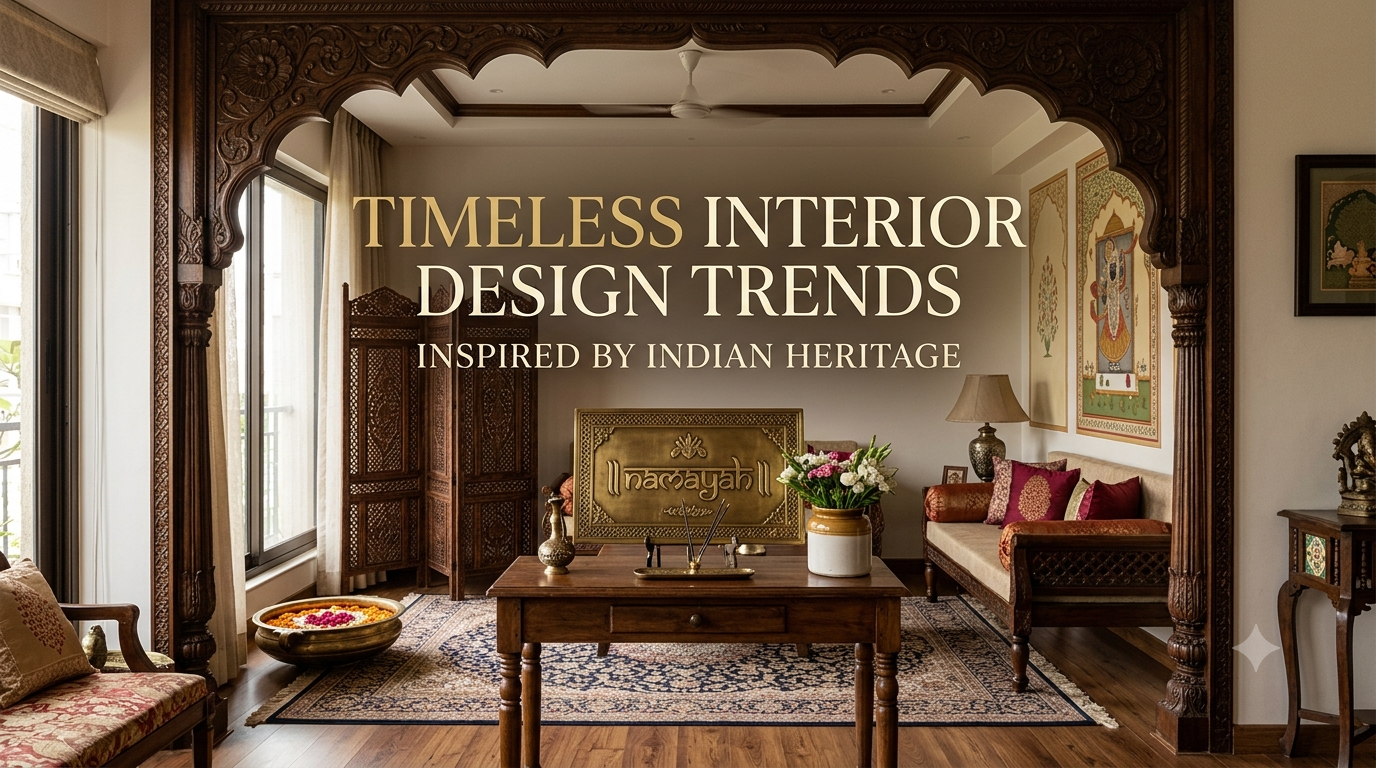
Indian homes have always reflected warmth, artistry, and a deep connection to culture. Today, homeowners are rediscovering traditional aesthetics and blending them with modern lifestyles. Timeless Interior Design Trends Inspired by Indian Heritage offer a perfect balance between elegance, sustainability, and functionality.
Whether you’re renovating a centuries-old bungalow or decorating a modern apartment, these design principles create interiors that remain beautiful for decades.
Introduction to Indian Heritage in Interior Design
Indian interior design is rooted in centuries of architectural traditions, regional craftsmanship, and cultural diversity. Every region—from Rajasthan to Kerala—contributes unique styles, materials, and decorative elements.
Modern designers increasingly embrace these influences because they provide authenticity and character that mass-produced interiors often lack.
Key characteristics include:
- Handmade furniture
- Natural materials
- Rich textures
- Traditional motifs
- Functional elegance
- Sustainable craftsmanship
Why Heritage-Inspired Interiors Never Go Out of Style
Unlike temporary décor trends, heritage-inspired spaces emphasize quality and timeless beauty.
Reasons they remain popular include:
- Natural materials age beautifully.
- Handmade pieces become family heirlooms.
- Traditional craftsmanship tells meaningful stories.
- Cultural elements create emotional connections.
- Sustainable design reduces environmental impact.
These qualities make heritage interiors a long-term investment rather than a passing trend.
The Philosophy Behind Traditional Indian Homes
Traditional Indian homes were designed to promote harmony between people, nature, and architecture.
Balance Between Nature and Architecture
Older Indian homes often featured:
- Open courtyards
- Verandas
- Cross ventilation
- Natural lighting
- Indoor gardens
These features kept homes comfortable while reducing dependence on artificial cooling.
Importance of Craftsmanship
Indian artisans have perfected woodworking, stone carving, weaving, pottery, and metalwork over generations.
Choosing handcrafted décor not only enhances beauty but also supports local artisans and preserves traditional skills.
Rich Wooden Furniture with Intricate Carvings
Solid wood remains one of the defining elements of Indian heritage interiors.
Popular choices include:
- Sheesham
- Teak
- Mango wood
- Rosewood
Look for:
- Hand-carved headboards
- Ornate coffee tables
- Antique cabinets
- Traditional swing chairs (Jhoolas)
- Wooden room dividers
These timeless pieces instantly add warmth and sophistication.
Natural Materials That Define Indian Homes
Natural materials create inviting interiors while promoting sustainability.
Stone, Clay, and Terracotta
These materials appear in:
- Flooring
- Decorative pots
- Accent walls
- Roof tiles
- Sculptures
Terracotta accessories especially bring earthy charm to contemporary homes.
Cane, Bamboo, and Rattan
These renewable materials are increasingly popular because they are:
- Lightweight
- Eco-friendly
- Durable
- Stylish
- Affordable
Use them in chairs, pendant lights, baskets, or room partitions.
Vibrant Yet Harmonious Color Palettes
Indian heritage embraces color without overwhelming the space.
Popular shades include:
| Color | Symbolism |
|---|---|
| Saffron | Energy |
| Indigo | Wisdom |
| Emerald Green | Prosperity |
| Deep Red | Celebration |
| Mustard Yellow | Warmth |
| Ivory | Peace |
| Earth Brown | Stability |
Pair bold accents with neutral backgrounds for a balanced look.
Traditional Indian Textiles in Modern Spaces
Textiles instantly introduce heritage into any room.
Handloom Fabrics
Choose handcrafted:
- Cotton
- Khadi
- Silk
- Linen
- Wool
Use them for:
- Curtains
- Cushion covers
- Upholstery
- Table runners
Block Prints and Embroidery
Traditional techniques include:
- Bagru prints
- Ajrakh
- Kalamkari
- Kantha embroidery
- Chikankari accents
Mix these textiles with modern furniture for a refined fusion aesthetic.
Statement Doors and Arches
Traditional carved doors serve as stunning focal points.
Ideas include:
- Antique wooden entrances
- Brass knockers
- Jharokha-inspired wall décor
- Decorative arches
- Intricate lattice screens (Jaali)
These architectural details add authenticity and grandeur.
Heritage Lighting Ideas
Lighting dramatically influences the mood of heritage interiors.
Popular options include:
- Brass pendant lamps
- Lantern-style fixtures
- Temple-inspired lighting
- Hanging diyas (decorative use)
- Handcrafted ceramic lamps
Warm lighting enhances wood tones and traditional décor.
Courtyards and Indoor Greenery
Nature has always been central to Indian homes.
Even in apartments, you can recreate this feeling using:
- Indoor palms
- Tulsi plants
- Hanging planters
- Vertical gardens
- Water bowls with floating flowers
Greenery improves air quality while adding tranquility.
Brass, Copper, and Antique Décor
Metal accents have long been part of Indian interior traditions.
Decorative elements include:
- Brass urlis
- Copper vessels
- Temple bells
- Antique mirrors
- Metal sculptures
Use these sparingly to create elegant focal points rather than visual clutter.
Artistic Walls Inspired by Indian Culture
Walls offer endless opportunities to showcase heritage.
Consider:
- Madhubani paintings
- Pichwai art
- Warli murals
- Hand-painted motifs
- Traditional framed textiles
A single statement wall can transform an entire room.
Blending Heritage with Contemporary Design
The beauty of modern Indian interiors lies in thoughtful balance.
Tips include:
- Pair antique furniture with minimalist layouts.
- Use neutral walls to highlight traditional artwork.
- Combine handcrafted décor with sleek lighting.
- Mix modern sofas with heritage cushions.
- Introduce natural textures instead of excessive ornamentation.
This approach creates homes that feel both current and timeless.
Common Mistakes to Avoid
When designing heritage-inspired interiors, avoid:
- Overcrowding rooms with decorative items
- Mixing too many regional styles without cohesion
- Ignoring natural lighting
- Choosing synthetic materials over authentic alternatives
- Prioritizing appearance over functionality
A curated approach ensures elegance and longevity.
Frequently Asked Questions
1. Can Indian heritage interiors work in small apartments?
Yes. Use handcrafted accents, textiles, natural materials, and statement décor pieces without overwhelming the space.
2. Which wood is best for heritage furniture?
Teak and Sheesham are popular due to their durability, rich grain, and timeless appeal.
3. Are heritage interiors expensive?
Not necessarily. You can achieve the look gradually by investing in quality handcrafted pieces and mixing them with modern furnishings.
4. How can I make my home feel traditional without looking outdated?
Blend heritage elements—such as carved wood, handloom fabrics, and brass accents—with clean lines, neutral walls, and contemporary lighting.
5. What colors best represent Indian heritage?
Earthy neutrals paired with saffron, indigo, emerald green, mustard, and deep red create a classic heritage-inspired palette.
6. Is sustainable design part of Indian heritage interiors?
Absolutely. Traditional Indian homes have long emphasized natural materials, handcrafted furniture, cross-ventilation, and locally sourced décor, making sustainability an integral aspect of their design.
Conclusion
Timeless Interior Design Trends Inspired by Indian Heritage celebrate the enduring beauty of traditional craftsmanship, natural materials, and cultural storytelling. By incorporating carved wooden furniture, handloom textiles, earthy color palettes, brass accents, and artisanal décor into modern spaces, you can create a home that is elegant, welcoming, and built to stand the test of time.
Rather than following fleeting design fads, heritage-inspired interiors focus on authenticity, sustainability, and quality—ensuring that every room reflects both personal style and India’s rich cultural legacy.
For more inspiration on traditional Indian crafts and design heritage, explore the official resources of the Development Commissioner (Handicrafts), Government of India: https://handicrafts.nic.in/