
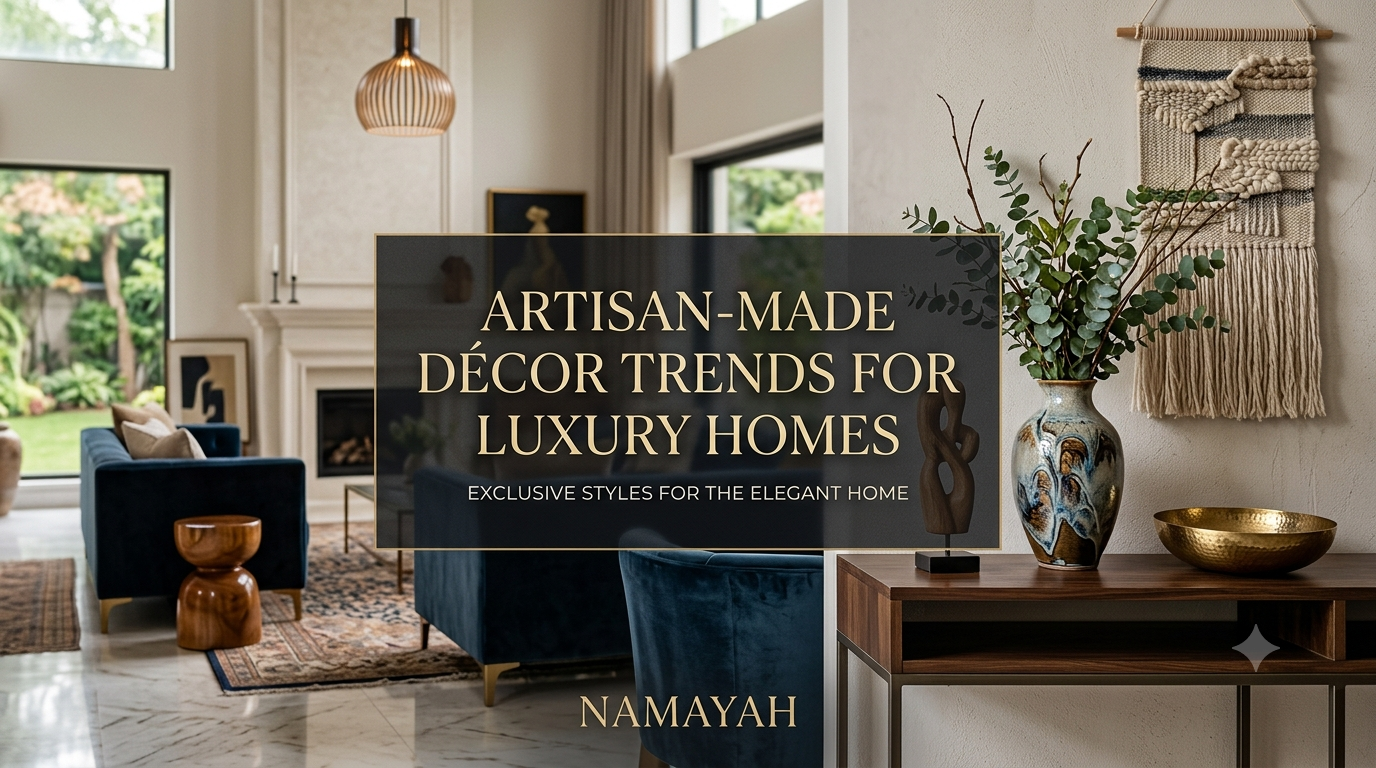
Artisan-Made Décor Trends for Luxury Homes
The Rise of Sustainable Luxury
One of the defining characteristics of Artisan-Made Décor Trends for Luxury Homes is the growing emphasis on sustainability. Affluent homeowners are increasingly seeking furnishings and decorative pieces that combine exceptional craftsmanship with environmentally responsible practices. Rather than purchasing mass-produced accessories, they are investing in handcrafted works that celebrate natural materials, ethical production, and long-lasting quality.
Artisans often source wood from responsibly managed forests, work with recycled metals, and use organic fibers or natural dyes. These environmentally conscious choices reduce waste while producing décor with distinctive textures and visual warmth. The result is an interior that feels authentic, sophisticated, and environmentally mindful.
Beyond environmental benefits, sustainable artisan décor supports traditional communities and preserves generations of craftsmanship. Every purchase helps maintain valuable cultural skills while offering homeowners décor that cannot be replicated by automated manufacturing.
Handcrafted Lighting as Functional Art
Lighting has evolved from a purely functional necessity into one of the most important artistic statements in luxury interiors. Hand-blown glass chandeliers, sculptural ceramic pendant lights, forged brass sconces, and carved wooden lamps create dramatic focal points throughout the home.
Unlike factory-produced fixtures, artisan lighting often incorporates subtle imperfections that highlight the maker’s hand. Slight variations in shape, texture, or finish give every fixture its own personality.
Luxury designers frequently layer artisan lighting by combining:
- Statement chandeliers
- Accent sconces
- Decorative table lamps
- Floor lamps with sculptural bases
- Handcrafted lanterns
This layered approach enhances ambiance while showcasing multiple forms of craftsmanship.
Natural Materials Continue to Dominate
Natural materials remain central to Artisan-Made Décor Trends for Luxury Homes because they introduce warmth, texture, and timeless elegance.
Popular materials include:
| Material | Luxury Appeal | Common Applications |
|---|---|---|
| Solid Oak | Rich grain and durability | Tables, cabinetry |
| Walnut | Sophisticated dark finish | Furniture |
| Marble | Timeless luxury | Coffee tables, countertops |
| Travertine | Organic texture | Side tables, décor |
| Linen | Breathable elegance | Upholstery and drapery |
| Wool | Comfort and insulation | Rugs |
| Leather | Premium character | Chairs and sofas |
| Bronze | Artistic aging | Sculptures and hardware |
The beauty of these materials lies in how they age. Over time they develop patinas, character, and depth that synthetic materials simply cannot achieve.
Statement Furniture with a Story
Luxury homeowners increasingly favor fewer but more meaningful furniture pieces. Instead of filling rooms with matching collections, designers recommend selecting standout handcrafted furniture that anchors each space.
Examples include:
- A hand-carved walnut dining table
- A sculpted oak coffee table
- Leather lounge chairs stitched by master craftsmen
- Handmade ceramic side tables
- Bespoke cabinetry created by local artisans
These signature pieces often become family heirlooms, appreciated not only for their beauty but also for their exceptional construction.
Custom Pieces Define Modern Luxury
Customization has become one of the strongest trends in luxury design. Homeowners want interiors that reflect their lifestyles rather than catalog displays.
Working directly with artisans allows clients to customize:
- Dimensions
- Materials
- Colors
- Finishes
- Decorative carvings
- Metal accents
- Upholstery fabrics
The resulting furniture perfectly complements the architecture while expressing the owner’s personality.
Texture Takes Center Stage
Modern luxury relies less on excessive ornamentation and more on layered textures. Artisan-made décor excels at introducing tactile richness that makes interiors inviting.
Successful combinations include:
- Smooth marble paired with rough stone
- Soft wool rugs beneath polished wood furniture
- Handmade ceramics beside reflective metals
- Linen upholstery combined with leather accents
- Woven baskets alongside glass décor
This interplay of textures creates visual interest without overwhelming the space.
Global Craftsmanship Influences Interior Design
Luxury homes increasingly celebrate craftsmanship from around the world. Designers thoughtfully combine traditions from different cultures while maintaining a cohesive aesthetic.
Popular artisan influences include:
- Japanese woodworking
- Moroccan handwoven textiles
- Italian blown glass
- Scandinavian minimalist craftsmanship
- Mexican ceramics
- Indian carved wood furniture
- African woven baskets
The objective is not to recreate a single regional style but to curate meaningful pieces that harmonize beautifully.
Artisan Ceramics Become Collectible Décor
Handmade ceramics have emerged as one of the fastest-growing luxury décor categories.
Popular ceramic pieces include:
- Sculptural vases
- Decorative bowls
- Handmade dinnerware
- Textured planters
- Artistic candle holders
- Ceramic wall installations
Because each piece is individually crafted, collectors appreciate their uniqueness. Even subtle glazing variations contribute to their artistic value.
Luxury Kitchens Embrace Handcrafted Details
The kitchen has become one of the most personalized spaces in luxury homes.
Artisan-made elements commonly include:
- Handmade cabinet pulls
- Custom wood cabinetry
- Stone countertops with natural veining
- Handcrafted range hoods
- Ceramic backsplashes
- Bespoke cutting boards
- Hand-thrown serving dishes
These details transform functional kitchens into elegant gathering spaces where craftsmanship is visible in every corner.
The Emotional Value of Handmade Décor
Perhaps the greatest strength of artisan-made décor is its emotional connection. Mass-produced items often prioritize efficiency, while handcrafted objects reflect patience, creativity, and human expertise.
Every handcrafted piece carries evidence of the artisan’s skill, making the home feel more personal and meaningful. Over time, these objects become associated with family memories, celebrations, and everyday living, adding sentimental value alongside aesthetic appeal.
Blending Artisan Craftsmanship with Smart Home Technology
Modern luxury homes are increasingly defined by the seamless integration of traditional craftsmanship and advanced technology. Rather than viewing smart home systems and handmade décor as opposing concepts, today’s designers combine them to create spaces that are both intelligent and timeless.
For example, handcrafted wooden cabinets can conceal smart entertainment systems, while artisan-made lighting fixtures can be paired with intelligent lighting controls that adjust brightness and color temperature throughout the day. Custom-built furniture can incorporate wireless charging stations, hidden speakers, or discreet cable management without compromising its handcrafted appeal.
The key is ensuring that technology enhances rather than dominates the design. Artisan-made décor provides warmth and authenticity, while smart systems improve comfort, convenience, and energy efficiency.
How to Incorporate Artisan Décor Room by Room
Adding handcrafted pieces throughout a luxury home creates a cohesive yet personalized interior.
Living Room
- Invest in a handcrafted coffee table as the centerpiece.
- Layer handmade wool rugs for warmth.
- Display artisan ceramics and sculptures on shelves.
- Use handwoven cushions and throws for added texture.
Dining Room
- Choose a solid wood dining table crafted by skilled artisans.
- Pair it with upholstered chairs featuring premium fabrics.
- Hang a sculptural handcrafted chandelier above the table.
- Display handmade serving platters and decorative bowls.
Bedroom
- Select a custom-made bed frame with fine woodworking details.
- Add handcrafted bedside tables and ceramic lamps.
- Use linen bedding and woven textiles to create a relaxing atmosphere.
- Incorporate artisan wall art for visual interest.
Bathroom
- Install handcrafted stone or ceramic sinks.
- Add custom wood vanities.
- Use handmade soap dishes, trays, and mirrors.
- Introduce woven baskets for practical storage.
Outdoor Spaces
Luxury extends beyond interior walls.
Outdoor artisan décor may include:
- Hand-carved stone fountains
- Custom fire pits
- Woven outdoor furniture
- Handmade ceramic planters
- Sculptural garden art
- Forged metal gates
These elements create elegant outdoor living areas that feel like natural extensions of the home.
Investment Value of Artisan-Made Décor
High-quality handcrafted décor is often viewed as an investment rather than a simple purchase. While artisan pieces generally require a higher initial investment, they frequently provide greater long-term value because of their durability, exclusivity, and timeless design.
Unlike mass-produced furniture that may go out of style or require replacement after a few years, expertly crafted pieces are built to last for decades. Many become cherished family heirlooms, passed from one generation to the next.
Factors that contribute to their investment value include:
- Superior craftsmanship
- Limited production or one-of-a-kind designs
- High-quality natural materials
- Timeless aesthetics
- Cultural and artistic significance
Common Mistakes to Avoid
When decorating luxury homes with artisan-made pieces, keep these best practices in mind:
- Avoid overcrowding rooms with too many statement items.
- Balance handcrafted décor with clean, open spaces.
- Prioritize quality over quantity.
- Purchase from reputable artisans or galleries.
- Consider the scale and proportions of each piece.
- Mix textures thoughtfully without creating visual clutter.
- Maintain natural materials according to the maker’s care recommendations.
A carefully curated approach allows each handcrafted object to shine while maintaining a harmonious overall design.
Frequently Asked Questions (FAQs)
1. What makes artisan-made décor different from mass-produced décor?
Artisan-made décor is handcrafted by skilled makers using traditional techniques, premium materials, and meticulous attention to detail. Each piece is unique, whereas mass-produced items are manufactured in large quantities with minimal variation.
2. Is artisan-made décor worth the investment for luxury homes?
Yes. Handmade pieces often offer exceptional durability, timeless appeal, and exclusivity. They can also become heirloom-quality furnishings that retain both sentimental and monetary value.
3. Which materials are most popular in artisan-made luxury décor?
Solid wood, marble, natural stone, linen, wool, leather, hand-blown glass, bronze, brass, and handcrafted ceramics are among the most sought-after materials due to their beauty, longevity, and authentic character.
4. Can artisan-made décor work with modern interior styles?
Absolutely. Contemporary interiors often benefit from the warmth and texture of handcrafted elements. Combining clean architectural lines with artisan-made furnishings creates a balanced, sophisticated aesthetic.
5. How can I verify the authenticity of artisan-made pieces?
Purchase directly from artisans, established galleries, reputable design studios, or trusted retailers. Look for information about the maker, the production process, and the materials used.
6. How do I maintain handcrafted furniture and décor?
Follow the care instructions provided by the artisan. Dust regularly, avoid harsh chemical cleaners, protect surfaces from excessive moisture and direct sunlight, and use specialized products appropriate for wood, stone, leather, or metal.
Conclusion
As homeowners increasingly seek interiors that reflect individuality, sustainability, and lasting quality, Artisan-Made Décor Trends for Luxury Homes continue to redefine modern luxury. Handmade furnishings, bespoke lighting, sculptural ceramics, and thoughtfully crafted accessories bring warmth, authenticity, and timeless elegance to every room.
Beyond their visual appeal, artisan-made pieces embody stories of heritage, skill, and creativity. They transform houses into curated living spaces where every object has purpose and meaning. By investing in handcrafted décor, homeowners not only elevate their interiors but also support talented craftspeople and preserve traditional techniques for future generations.
Whether incorporated as a single statement piece or woven throughout an entire residence, artisan craftsmanship remains one of the most enduring and sophisticated expressions of luxury living.
Further Reading: For more inspiration on sustainable design and craftsmanship, explore the resources available from the Crafts Council at https://www.craftscouncil.org.uk/.