
Styling Artisanal Home Decor: Elevate Your Modern Luxury Space
Styling artisanal home decor is an art form that breathes soul and history into your living environment. Whether you are incorporating handcrafted brass pieces or rustic wooden accents, the goal is to create a balanced aesthetic. When you choose authentic handmade items, you are not just buying furniture; you are curating a narrative of tradition and skill. This guide helps you navigate the delicate balance of mixing global craftsmanship with contemporary design sensibilities for a truly elevated home. If you want to understand our commitment to these values, you can read more about our journey.
The Philosophy of Curation
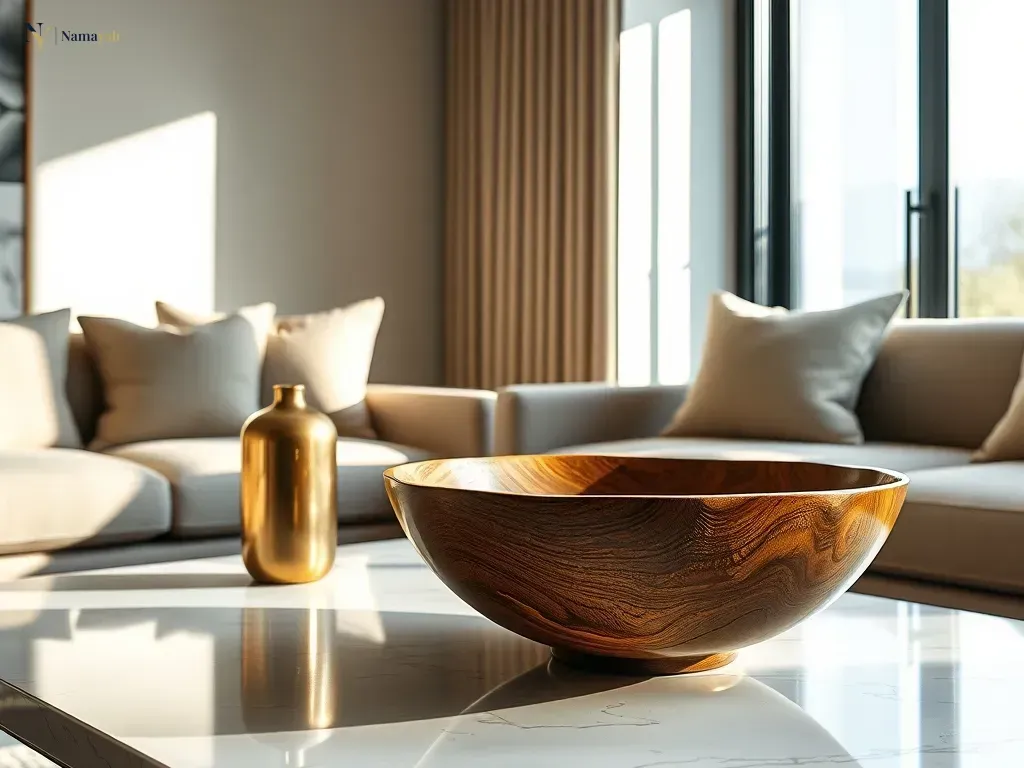
Curation begins with intention rather than mere collection. Therefore, you should select pieces that resonate with your personal story and the architecture of your home. A single, well-placed artisan sculpture often speaks louder than a room full of mass-produced items. For example, consider the placement of a handcrafted wooden bowl on a glass-topped table. The contrast between the organic texture of the wood and the sleek, man-made surface immediately adds depth to your room.
Always prioritize quality over quantity when you are styling artisanal home decor. This approach ensures that every item in your home serves a purpose or provides genuine visual delight. By limiting your collection to meaningful pieces, you avoid clutter and allow each item to shine. Furthermore, this minimalist approach helps emphasize the fine details of the craftsmanship, such as intricate hand-carvings or unique metal finishes that are often lost in crowded settings. According to industry standards, focused curation is the hallmark of sophisticated interior design.
Balancing Materials and Textures
Successful interior design relies heavily on the interplay of different materials. You might pair the cool, reflective surface of brass with the warmth of natural wood to create a harmonious environment. For instance, placing a brass candle holder on a heavy wooden side table provides a beautiful contrast that feels both grounded and luxurious. This tactile variety is essential for creating a space that feels inviting and lived-in.
Incorporating Metallic Accents
Metals like brass and copper add a layer of sophistication to any room. When styling, use these pieces as focal points rather than background elements. You can place a polished brass vase on a mantle to catch the light or use copper kitchenware to bring a warm glow to your culinary space. Remember that these materials develop a unique patina over time, which only adds to their authentic beauty. For tips on keeping these items looking their best, check out our maintenance guide.
Creating Focal Points in Your Layout
Every room requires a clear focal point to anchor the visual experience. You can create this by using a standout piece of artisanal decor, such as a large hand-carved wooden mirror or a sculptural brass centerpiece. Therefore, arrange your furniture so that it naturally directs the eye toward these unique items. A well-placed focal point simplifies the room's layout and makes the entire space feel more intentional.
Consider the scale of your decor when establishing these points. A small trinket on a vast dining table will look lost, whereas a substantial piece creates a sense of proportion and balance. If you are struggling with placement, try the rule of thirds. This design principle suggests that you group items in odd numbers to create a more dynamic and pleasing visual arrangement. This technique is widely recommended by design professionals as a way to ensure your displays never feel static or overly symmetrical.
The Role of Lighting in Display
Lighting is perhaps the most critical tool for highlighting your decor. Proper illumination can transform an ordinary object into a stunning display piece. For example, use warm-toned LED spotlights to highlight the texture of wood or the polished surface of metal. Similarly, soft, ambient lighting can create a cozy atmosphere that makes handcrafted items feel more approachable and intimate.
Practical Lighting Tips
Avoid harsh overhead lighting, which can wash out the subtle details of artisanal work. Instead, opt for layered lighting schemes that include floor lamps, table lamps, and accent lights. By adjusting the intensity of your lights throughout the day, you can change the mood of your room. Always ensure your lighting source is positioned to minimize glare on shiny surfaces, allowing the true character of your chosen decor to remain visible.
Seasonal Transitions and Styling
Your home decor should be as dynamic as the seasons. During the summer, you might prefer lighter, more airy arrangements with polished brass accents to reflect sunlight. Conversely, as winter approaches, swap these for deeper, richer wooden textures that evoke a sense of warmth and security. This rotational approach keeps your home feeling fresh and prevents it from becoming stagnant.
Moreover, seasonal updates allow you to rediscover pieces you may have tucked away. You do not need to buy new items to refresh your space. Simply moving a piece from the bedroom to the living room or changing the contents of a decorative tray can drastically alter the feel of a room. This practice makes styling artisanal home decor a sustainable and cost-effective way to manage your living space.
Integrating Heritage into Modernity
Modern luxury does not mean abandoning the past. In fact, the most striking homes are those that seamlessly blend heritage crafts with modern design. You can achieve this by placing traditional, hand-hammered copper vessels in a minimalist, contemporary kitchen. The juxtaposition highlights the beauty of both the modern architectural style and the ancient artisan technique.
Think about the story behind your items. When you select pieces that reflect global heritage, you are adding cultural layers to your home. This makes your space feel truly unique and personal. It turns your residence into a sanctuary that reflects your values and your appreciation for the human element in art. Engaging with global design trends shows that people are increasingly valuing the authenticity of handmade goods over mass-produced alternatives.
Troubleshooting Common Styling Issues
It is common to feel overwhelmed when styling your home. If your room feels cluttered, try removing half of your decor items and slowly reintroducing them one by one. Often, the issue is not a lack of good pieces, but a lack of breathing room. Remember that negative space is just as important as the decor itself; it allows the eye to rest.
Another common issue is a lack of color cohesion. If your room feels chaotic, try to limit your palette to a few complementary tones. For example, if your artisan decor is primarily brass and dark wood, use neutral colors like cream, beige, or charcoal for your walls and textiles. This provides a clean backdrop that makes your decor pop without overwhelming the senses. Finally, do not be afraid to experiment. Design is a journey of trial and error.
Conclusion
Styling artisanal home decor is a continuous process of discovery and refinement. By focusing on intentional curation, balanced material use, and thoughtful lighting, you can create a home that is both luxurious and deeply personal. Embrace the imperfections of handmade items, as they are the marks of the artisan and the source of your home's unique character. Start small, be patient, and enjoy the process of turning your living space into a gallery of your own heritage and taste.