
Artisan Wooden Serveware Care: Keep Your Pieces Beautiful
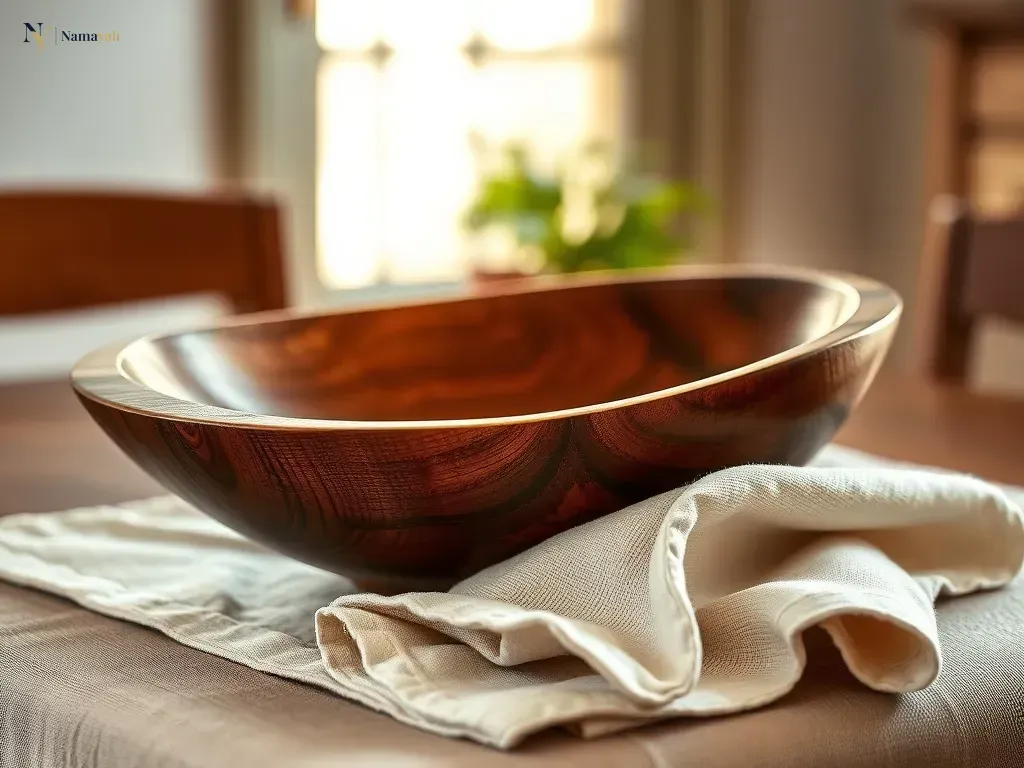
Maintaining the natural beauty of your kitchen essentials requires proper artisan wooden serveware care. Many homeowners invest in high-quality handcrafted pieces but often overlook the specific maintenance needs of natural materials. When you treat your items with intentionality, they last for generations and continue to serve as elegant focal points in your home. This guide explores the essential techniques for keeping your wooden items in pristine condition while honoring the craftsmanship behind them. Proper care ensures your investment remains as functional as it is aesthetic.
Understanding Natural Wood Materials
Natural wood is a living, porous material that reacts to its environment. Therefore, understanding how heat, moisture, and dryness affect your serveware is the first step in effective maintenance. Unlike synthetic materials, wood expands and contracts with changes in humidity. For example, placing wooden serveware near a radiator or in direct sunlight can cause the wood to warp or crack over time. Always store your pieces in a cool, dry place to preserve their structural integrity.
Wood possesses natural antibacterial properties, yet it remains sensitive to improper cleaning methods. Harsh chemicals or soaking your pieces in water can strip away the wood's natural oils and cause the fibers to swell. By respecting these natural characteristics, you ensure your serveware remains both hygienic and beautiful. If you are interested in our heritage, you can learn more about our journey by visiting our story.
The Importance of Regular Oiling
Regular oiling represents the most critical aspect of artisan wooden serveware care. Because wood is porous, it loses its natural moisture after repeated use and washing. Therefore, applying food-grade mineral oil or beeswax creates a protective barrier that prevents the wood from drying out and absorbing unwanted odors. This simple process revitalizes the grain and keeps the wood looking vibrant and lustrous.
How to Properly Oil Your Wood
First, ensure your serveware is completely dry and clean. Next, apply a generous amount of food-safe mineral oil using a soft, lint-free cloth. Rub the oil into the wood, following the direction of the grain, until the surface appears saturated. Allow the wood to absorb the oil for several hours or overnight. Finally, wipe off any excess oil with a clean cloth before using the piece for serving food again.
Daily Cleaning and Maintenance Practices
Daily cleaning routines significantly impact the longevity of your wooden serveware. Never put your handcrafted wooden items in the dishwasher, as the high heat and harsh detergents will quickly ruin the finish. Instead, hand wash your serveware with warm water and mild dish soap. Immediately dry the piece with a soft towel rather than allowing it to air dry, which can lead to moisture buildup.
If you notice persistent food smells, try using a simple solution of white vinegar and water. Wipe the surface gently, then rinse and dry thoroughly. Furthermore, keeping your collection clean prevents the buildup of bacteria and ensures your items are ready for your next dinner party. According to the Forest Service, maintaining moisture balance is essential for wood longevity in any environment.
Handling Stains and Odors
Sometimes, even with the best artisan wooden serveware care, stains or odors may occur. To remove stubborn stains, you can create a paste of baking soda and water. Apply this paste to the affected area and scrub gently with a soft sponge. For deeper odors, rubbing a slice of fresh lemon across the surface works as a natural deodorizer. Rinse well and dry immediately.
When to Deep Clean
Deep cleaning is recommended every few months depending on usage frequency. For a thorough refresh, mix equal parts water and white vinegar to wipe down the entire piece. This helps neutralize any lingering smells without damaging the wood fibers. Always follow up with a light coat of food-grade oil to restore the protective finish.
Preventing Damage and Wear
Prevention is always better than repair when dealing with fine woodwork. Avoid using metal utensils on your wooden serveware, as they can cause scratches and gouges. Instead, opt for silicone or soft wooden servers to preserve the smooth finish. Additionally, avoid leaving your wooden items submerged in liquids for extended periods, as this will inevitably lead to warping or splitting.
If you find your pieces are showing significant signs of wear, a light sanding with fine-grit sandpaper can smooth out rough patches. Always sand in the direction of the grain to avoid damaging the wood surface. Afterward, be sure to re-oil the piece immediately to protect the newly exposed wood. For more professional tips, read more here regarding wood maintenance standards.
When to Replace Your Serveware
While high-quality wooden items are built to last, there comes a time when they may need replacement. If you notice deep cracks, splintering, or signs of mold that cannot be removed, it is time to retire the piece for safety reasons. Healthy wooden serveware should feel smooth to the touch and remain free of deep crevices where food particles can collect.
Choosing quality pieces from the start often prevents these issues. By investing in well-crafted items, you minimize the risk of premature structural failure. If you have questions about our specific collections, please reach out today to discuss our range of artisan options.
Conclusion
Mastering artisan wooden serveware care is a rewarding practice that honors the natural beauty of your home accessories. By following these consistent maintenance steps, you protect the investment you have made in handcrafted luxury. Remember that wood is a living material that thrives with gentle, intentional care. Whether you are serving a casual meal or hosting a formal event, well-maintained wooden serveware adds a unique, warm character to your table. Take the time to nourish your pieces, and they will continue to serve you beautifully for years to come.