
Styling Wooden Home Decor: A Guide to Timeless Elegance
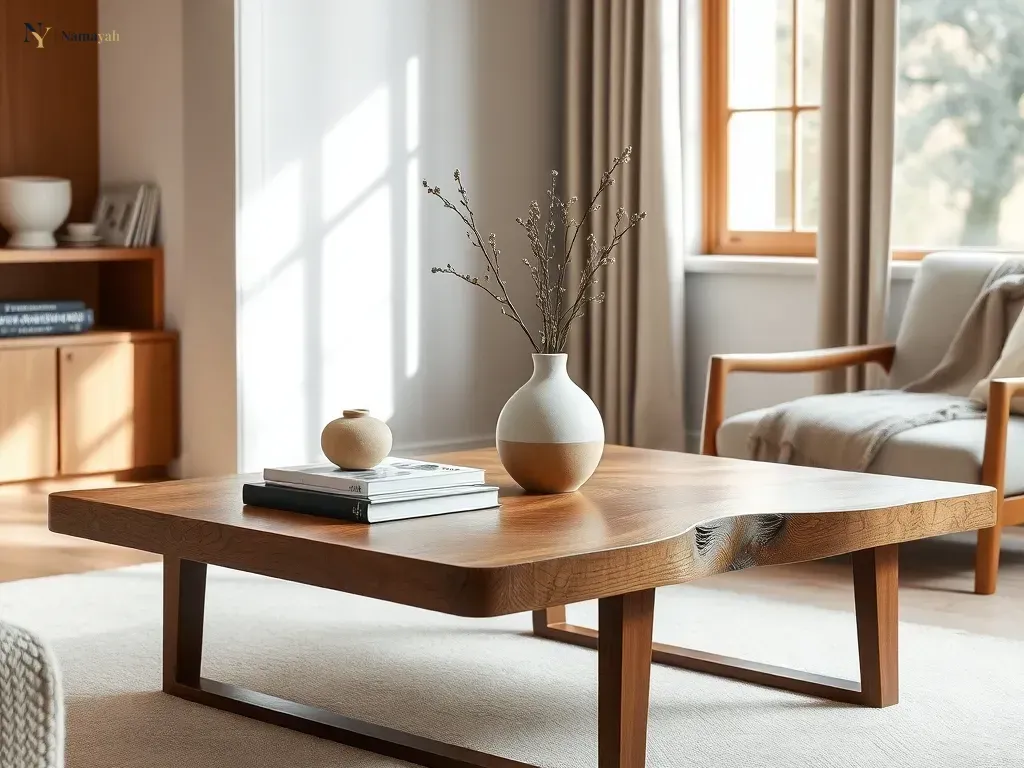
Styling wooden home decor is an art form that brings warmth, texture, and a sense of history into any modern living space. Whether you are working with reclaimed teak, polished rosewood, or rustic mango wood, the right approach can transform a house into a sanctuary. Wood is a versatile material that bridges the gap between traditional craftsmanship and contemporary design. By understanding how to balance wood tones, textures, and placement, you can create a cohesive look that feels both curated and comfortable. This guide explores how to integrate these natural elements into your home with confidence and style.
Understanding Wood Tones and Textures
Before you begin styling, it is important to understand the character of the wood you are working with. Different species offer unique grains, colors, and finishes that dictate the mood of a room. Darker woods like walnut or mahogany often evoke a sense of luxury and formality, making them perfect for study areas or dining rooms. In contrast, lighter woods like oak or ash provide an airy, Scandinavian-inspired aesthetic that works well in smaller or minimalist spaces.
Mixing wood tones is a common concern for many homeowners. You do not need to match every piece of furniture perfectly to achieve a professional look. Instead, focus on the undertones of the wood. Warm-toned woods generally pair well with other warm tones, while cool-toned woods harmonize with similar hues. If you want to mix them, ensure there is a clear contrast rather than a near-miss. For example, pairing a very dark coffee table with light oak side chairs creates a deliberate, high-contrast design statement that feels intentional.
The Role of Texture in Design
Texture adds depth to your decor. A smooth, polished wooden bowl looks vastly different from a rough-hewn, live-edge serving platter. When styling, aim for a balance between these textures. If your room features many sleek, modern surfaces, introduce a piece of raw or reclaimed wood to ground the space. This contrast prevents the room from feeling sterile and adds a tactile quality that invites touch. You can learn more about our commitment to these textures by visiting our About Us page.
Creating Focal Points with Wooden Accents
Every room needs a focal point to anchor the design. Large wooden statement pieces, such as a hand-carved console table or an ornate wall mirror, serve this purpose beautifully. When styling these items, keep the surrounding area relatively simple to allow the wood to shine. Avoid cluttering the surface with too many small objects, which can distract from the natural beauty of the grain.
For smaller spaces, consider using wooden shelving or wall-mounted displays. These allow you to showcase decorative items without taking up valuable floor space. Arrange your items in groups of three, varying the heights and shapes to create visual interest. This technique, known as the rule of three, is a fundamental principle in interior design that helps create a balanced and pleasing composition.
Balancing Wood with Other Materials
Wood is a natural material that pairs exceptionally well with other organic elements. To create a layered look, combine your wooden decor with textiles like linen, wool, or cotton. A wooden coffee table looks stunning when topped with a soft, textured throw blanket or a linen runner. These soft materials soften the hard edges of the wood and make the space feel more inviting.
Metals also provide a striking contrast to wood. The cool, industrial feel of brass or copper complements the warmth of timber perfectly. Consider placing a polished brass vase on a rustic wooden side table. This juxtaposition highlights the unique qualities of both materials. For those interested in how to maintain these metallic accents, our guide on how to prevent tarnishing provides essential care tips.
Incorporating Greenery
Plants are the natural companions of wood. The vibrant green of foliage brings out the earthy tones of timber, creating a fresh and organic atmosphere. Place a potted plant on a wooden pedestal or use wooden planters to house your indoor garden. This combination is particularly effective in sunlit corners, where the natural light can highlight the textures of both the wood and the leaves.
Seasonal Styling Tips
Your home decor should evolve with the seasons. During the warmer months, keep your wooden surfaces clear and light. Use minimal accessories to maintain an airy feel. As the weather cools, introduce warmer elements to your wooden displays. Think of adding candles, dried flowers, or seasonal fruits in wooden bowls. These small changes can significantly alter the mood of a room without requiring a full redesign.
According to industry standards from the Interior Design Society, layering textures is key to creating a home that feels lived-in and authentic. By rotating your accessories, you keep your home feeling fresh and responsive to the changing environment. Don't be afraid to move pieces from one room to another; sometimes a fresh perspective is all that is needed to revitalize a space.
Practical Maintenance for Longevity
To keep your wooden decor looking its best, regular maintenance is essential. Dust your wooden items weekly with a soft, dry cloth to prevent buildup. Avoid using harsh chemical cleaners, which can strip the wood of its natural oils and finish. If your wooden pieces are used for serving food, ensure they are treated with food-safe oils to prevent drying and cracking.
For deeper cleaning, a mild solution of soap and water can be used, provided you dry the wood immediately afterward. Never leave wooden items soaking in water, as this can cause the wood to warp or swell. Proper care ensures that your investment pieces remain beautiful for generations to come. For more information on sustainable practices, refer to the Environmental Protection Agency guidelines on sustainable material management.
Frequently Asked Questions
How do I mix different wood finishes?
Focus on the undertones. If you have a warm-toned floor, look for furniture with similar warm undertones. If you want to mix, use a neutral bridge like a rug or a painted piece of furniture to separate the two wood tones.
Can I use wooden decor in the bathroom?
Yes, but choose woods that are naturally moisture-resistant, such as teak. Ensure the room is well-ventilated to prevent mold and mildew growth on the wood surface.
How often should I oil my wooden serveware?
If you use your wooden serveware frequently, oil it once a month with a food-grade mineral oil. This keeps the wood hydrated and prevents it from becoming brittle or absorbing food odors.
Conclusion
Styling wooden home decor is about celebrating the natural beauty of the material while creating a space that reflects your personal style. By focusing on wood tones, balancing textures, and incorporating complementary materials, you can create a home that feels both timeless and modern. Remember that the best design is one that brings you joy and comfort. Start with a few key pieces, experiment with different arrangements, and let your home evolve over time. With a little care and creativity, your wooden accents will serve as the heart of your living space for years to come.