
Artisan Wooden Serveware Care: A Guide to Lasting Beauty
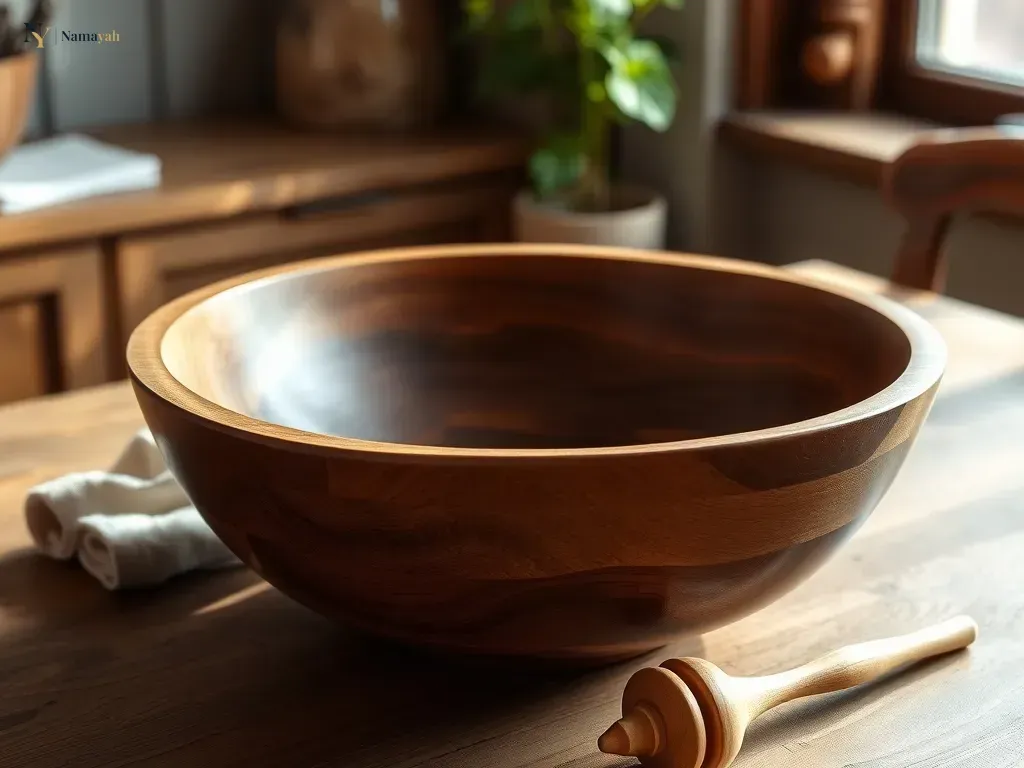
Introduction to Artisan Wooden Serveware Care
Artisan wooden serveware brings a touch of organic elegance to any dining table. These handcrafted pieces are not just functional tools; they represent a deep connection to Indian heritage and sustainable craftsmanship. Proper artisan wooden serveware care is essential if you want your bowls, platters, and serving boards to remain beautiful for generations. Many homeowners love the warmth of wood but often feel unsure about how to maintain it. Protecting your investment requires simple habits rather than complex chemical treatments. By following these professional tips, you can ensure your wooden treasures stay functional and vibrant.
Understanding Your Wooden Serveware
Before you begin maintenance, you must understand the material. Artisanal wood pieces are porous, meaning they absorb moisture and oils from the environment. Because wood is a natural, living material, it reacts to temperature and humidity changes. A piece that feels perfectly smooth might dry out or crack if left near a heat source. Similarly, extreme moisture can cause the wood fibers to swell, leading to warping over time. When you invest in high-quality Artisan Treasures pieces, you are choosing items that have been treated with food-safe finishes. However, these finishes wear down with regular use and frequent washing. Therefore, understanding your serveware's needs is the first step toward long-term preservation.
The Importance of Gentle Handling
Handcrafted wood requires a different approach than mass-produced glass or ceramic dinnerware. Never place your wooden serveware in a dishwasher, as the high heat and harsh detergents will strip the natural oils. Instead, wash your pieces by hand using lukewarm water and a very mild soap. Avoid soaking the wood for long periods. If you allow the wood to stay wet, you risk compromising its structural integrity. Dry the item immediately after cleaning with a soft, lint-free cloth. Leaving it to air dry on a flat surface can sometimes trap moisture underneath, which is why standing it upright or using a drying rack is preferred.
Establishing a Regular Cleaning Routine
Consistency is the key to maintaining your kitchen tools. After every use, wipe your serveware down immediately to prevent food stains from settling into the grain. For stubborn residue, use a soft sponge rather than an abrasive scouring pad. Abrasive materials can scratch the finish, making the surface more susceptible to bacteria. If you notice persistent smells from aromatic foods like onions or garlic, a simple trick is to rub the surface with a slice of fresh lemon. The acidity neutralizes odors naturally. You can learn more about our commitment to quality through our About Us page, where we detail how we source our sustainable materials.
The Art of Conditioning Wood
Even with careful cleaning, wood will eventually lose its luster. Conditioning your wooden serveware is a transformative step that restores moisture and prevents cracking. We recommend applying a food-safe mineral oil or beeswax-based wood conditioner at least once a month. To apply, ensure the wood is clean and bone-dry. Use a soft cloth to rub the oil into the grain using circular motions. Allow the wood to absorb the oil for several hours or even overnight. After the wood has soaked up the treatment, wipe away any excess oil with a clean cloth. This creates a protective barrier against water and stains.
Common Mistakes to Avoid
Many people accidentally damage their beautiful serveware through common household habits. One major mistake is storing wooden items in damp or poorly ventilated areas. High humidity creates the perfect environment for mold and mildew to grow on organic fibers. Another common error is using vegetable oils like olive or corn oil for conditioning. These oils go rancid over time, which will give your serveware an unpleasant odor and a sticky texture. Always stick to food-grade mineral oil or specialized wood waxes. According to the USDA, maintaining food-contact surfaces with food-safe products is a critical aspect of home kitchen safety.
Troubleshooting Scratches and Stains
Sometimes, despite your best efforts, minor scratches or deep stains may appear. Do not panic; wood is remarkably resilient. For light surface scratches, you can lightly sand the area with high-grit sandpaper, following the direction of the grain. After sanding, always re-oil the area to seal the wood. If you encounter dark stains caused by iron contact or prolonged moisture, a paste made of baking soda and water can often lift the blemish. Gently rub the paste into the stained area, let it sit for a few minutes, and then rinse and dry thoroughly. Always finish with a fresh coat of oil to restore the sheen.
Choosing the Right Storage Solutions
Where you store your serveware is just as important as how you clean it. Avoid stacking heavy items on top of fragile wooden bowls, as this can cause pressure cracks. If you display your pieces on open shelves, keep them away from direct sunlight. Ultraviolet rays can fade the natural color of the wood and cause it to become brittle. For those who enjoy Sustainable Luxury Home Decor, proper storage is a hallmark of a well-cared-for home. By organizing your pieces with care, you keep them accessible for your next dinner party while protecting them from unnecessary environmental stress. The Environmental Protection Agency provides guidelines on indoor air quality, which is also relevant for preserving organic materials in the home environment.
Conclusion: Enjoying Your Timeless Pieces
Caring for your wooden serveware is a rewarding ritual that celebrates the beauty of natural materials. While it may seem like extra work, these simple steps extend the life of your items significantly. By choosing the right cleaning methods, conditioning regularly, and avoiding common storage pitfalls, you ensure your serveware remains a centerpiece for years to come. Remember, each scratch and mark tells a story of the meals you have shared with loved ones. Treat your wood with the same respect you show your guests, and it will continue to serve you beautifully. For further inspiration on styling your home, consult the National Kitchen & Bath Association for additional design insights. Your commitment to maintenance preserves the heritage of Indian craftsmanship in your modern luxury lifestyle.