
Styling Handmade Wooden Serveware for Elegant Dining
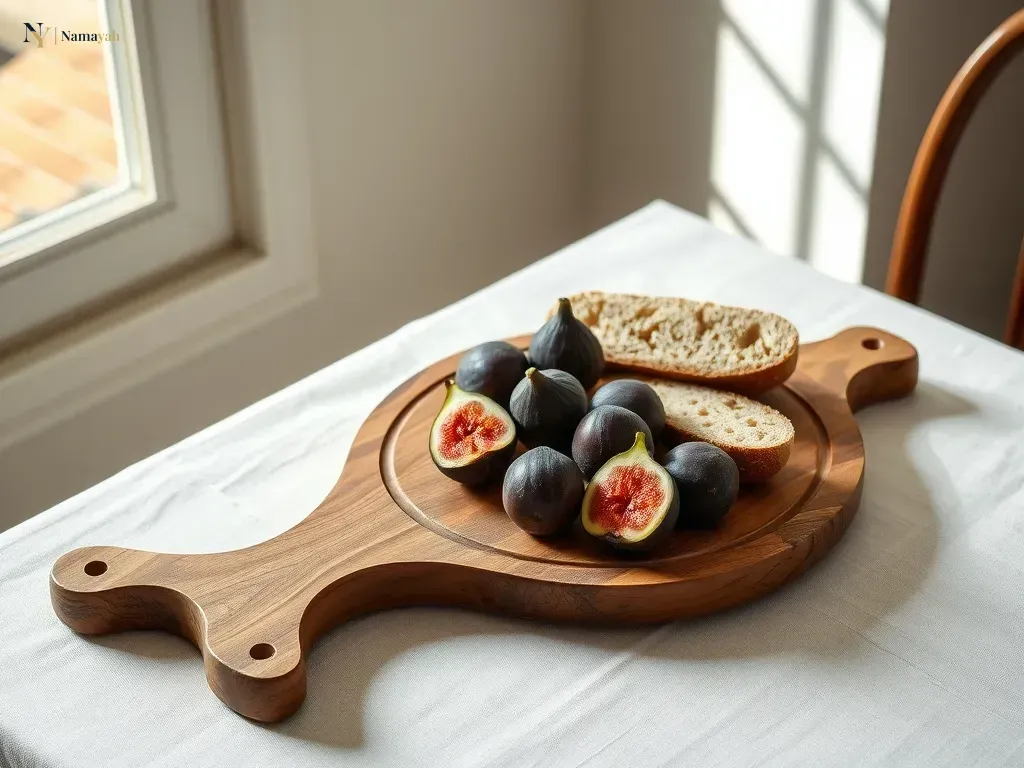
Elevating Your Dining Experience with Handmade Wooden Serveware
Styling handmade wooden serveware is an art form that brings warmth and organic texture to any table setting. Whether you are hosting a formal dinner party or enjoying a quiet morning breakfast, the right wooden pieces can transform a simple meal into a sophisticated experience. At Namayah, we celebrate the raw beauty of natural materials, believing that every grain tells a story of heritage and skilled craftsmanship. Mastering the placement and pairing of these items is the key to creating a memorable atmosphere for your guests.
The Allure of Natural Textures
Natural wood possesses a tactile quality that synthetic materials simply cannot replicate. Each piece of handmade wooden serveware features unique patterns, knots, and color variations that serve as a testament to the artisan's work. When you incorporate these elements into your dining room, you are not just setting a table; you are inviting nature indoors. We invite you to learn more about our unique approach to these timeless materials. By focusing on quality over quantity, you create a space that feels curated, intentional, and deeply personal.
Choosing the Right Pieces for Your Table
Before you begin styling, it is important to select the right wooden serveware for your specific needs. Not all wood is created equal, and the type of finish or wood species can dictate the vibe of your table. Hardwoods like teak, mango, or rosewood are excellent choices because they are durable and develop a beautiful patina over time. Always consider the scale of your serving platters relative to the size of your table and the number of guests you intend to serve.
For an elegant look, opt for minimalist designs that highlight the natural grain rather than heavily carved or lacquered pieces. A large, shallow wooden bowl serves as an excellent centerpiece for fruit or bread, while smaller boards are perfect for individual appetizers. You can find inspiration in our Artisan Treasures archives to see how diverse shapes and sizes can complement one another. Balance is essential; avoid overcrowding your table with too many large wooden items, as this can make the setting feel heavy or cluttered.
Mastering the Art of Layering
Layering is the secret weapon of professional interior stylists. Instead of placing items directly onto the tablecloth, use wooden serving boards as chargers or base layers. This technique adds depth and creates a visual anchor for your dinnerware. For example, you can place a ceramic salad bowl atop a circular wooden board to create a striking contrast between the smooth finish of the ceramic and the rugged texture of the wood.
Furthermore, consider the colors of your other tableware. Neutral linens in white, cream, or soft linen tones allow the rich, deep hues of the wood to take center stage. If you prefer a more vibrant look, try adding napkins in muted earth tones like sage green or terracotta. According to the Food and Agriculture Organization, sustainable wood usage is a critical aspect of responsible forestry, and choosing artisan-made goods supports ethical craftsmanship worldwide. This practice ensures that your table is not only beautiful but also ethically sound.
Creating Visual Interest with Height
Another way to style your serveware is by introducing different heights to your display. Use tiered wooden stands or small wooden pedestals to lift certain dishes above others. This creates a dynamic landscape on your table, drawing the eye across the spread and making the presentation feel more professional. It also frees up valuable surface area on a crowded table, allowing you to serve more guests without sacrificing elegance.
Pairing Wood with Other Natural Elements
To truly elevate the look of your handmade wooden serveware, pair it with other natural textures. Think of fresh greenery, dried florals, or stone accents. A wooden platter filled with seasonal vegetables looks even more inviting when surrounded by sprigs of rosemary or eucalyptus. Similarly, pairing wooden serveware with slate coasters or linen napkins reinforces the organic theme of your dining setup.
Don't be afraid to mix metals as well. The warmth of brass or copper complements the earthy tones of wood perfectly. You can explore how brass artistry pieces can act as subtle accents alongside your wooden bowls or platters. The key is to maintain a cohesive color palette. By sticking to warm, natural tones, you ensure that the mix of materials feels deliberate rather than disjointed.
Practical Tips for Maintaining Your Serveware
Styling is only half the battle; maintaining the beauty of your handmade wooden pieces is equally important. Wood is a living material, and it requires care to prevent it from drying out or cracking. After each use, wash your wooden serveware with mild soap and warm water, then dry it immediately. Avoid soaking these items, as excess moisture can cause the wood to warp or split.
Periodic oiling is essential to keep the wood looking fresh and to protect it from stains. Use a food-safe mineral oil or a specialized wood wax to replenish the surface. You can learn more about proper care through industry-standard maintenance guides that emphasize the longevity of natural products. Regular care not only protects your investment but also ensures that your serveware remains a functional piece of art for generations. If you have questions about specific items, please contact us for tailored advice from our artisans.
Setting the Mood for Different Occasions
Your styling approach should change based on the occasion. For a casual brunch, keep it simple with rustic wooden boards, fresh bread, and linen napkins. For a formal dinner, you might use a large, polished wooden platter as a base for a centerpiece, perhaps decorated with metallic accents or candles to enhance the ambiance. The lighting in your dining room also plays a significant role; dim, warm light enhances the richness of wooden grains, while bright, natural light highlights the texture and detail of the craftsmanship.
Think about the flow of your meal as well. If you are serving a grazing board, choose a large wooden platter that allows guests to easily reach all the ingredients. If you are serving a multi-course meal, have smaller wooden serving bowls ready for side dishes. By considering how your guests will interact with the serveware, you make the dining experience both functional and aesthetically pleasing.
Conclusion
Styling handmade wooden serveware is a rewarding practice that honors the beauty of nature and the skill of the human hand. By focusing on texture, layering, and proper maintenance, you can create a dining environment that is both welcoming and sophisticated. Remember that the best table settings are those that feel personal and reflect your own style. Whether you are building your collection from scratch or showcasing a few cherished pieces, let the natural character of the wood guide your design choices. With a little creativity and care, your wooden serveware will become the centerpiece of many wonderful gatherings for years to come. Explore our latest collections and find the perfect pieces to bring warmth and elegance to your home.