
Styling Wooden Home Decor: Tips for an Elegant Space
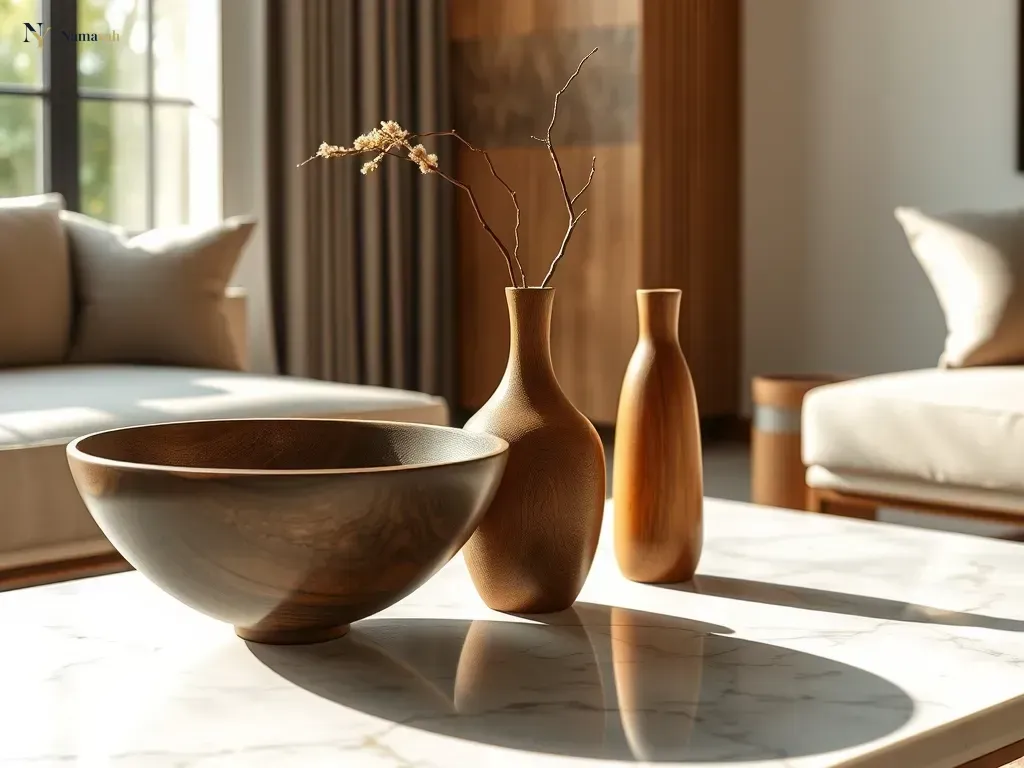
Styling wooden home decor is an art form that brings warmth, texture, and a sense of history into any modern living space. Wood is a versatile material that grounds a room, connecting your interior design to the natural world. Whether you own intricate hand-carved pieces or minimalist wooden accents, knowing how to display them can transform a house into a home. By incorporating organic shapes and varied wood tones, you create a layered, sophisticated environment that reflects refined taste. Achieving this balance requires a thoughtful approach to placement, lighting, and composition.
The Role of Texture in Interior Design
Texture is the secret ingredient in professional interior design. When you are styling wooden home decor, you should focus on the interplay between smooth, polished grains and raw, organic surfaces. Contrast is essential for visual interest. For instance, place a rough-hewn wooden bowl on a sleek marble dining table to highlight the natural beauty of the wood. This contrast prevents a room from feeling one-dimensional or cold.
Furthermore, consider the grain patterns of your pieces. A piece with a complex, swirling grain can serve as a focal point, while more uniform wood tones provide a calming backdrop. By mixing different wood types, you create a depth that feels curated rather than overly matched. Think of your wooden decor as the punctuation in a sentence; it provides rhythm and emphasis to your furniture layout. Visit our blog for more inspiration on how to harmonize your home.
Creating Focal Points with Wooden Accents
Every room needs a visual anchor, and wooden pieces are ideal for this purpose. A large, artisan-crafted wooden centerpiece can define a dining area or living room shelf. When selecting items, look for pieces that tell a story. Handcrafted items often possess unique imperfections that add soul to a space. Therefore, don't hide these character-filled details. Instead, highlight them with directed lighting.
Strategic Placement Techniques
Placement is paramount when styling wooden home decor. Avoid overcrowding surfaces. If you have a collection of wooden items, group them in odd numbers. This rule of design creates a more natural, balanced aesthetic. Additionally, vary the heights of your objects. A tall wooden vase paired with a low, wide serving platter draws the eye upward and makes the arrangement feel dynamic. Always ensure your pieces have room to breathe, allowing the craftsmanship to stand out against the negative space.
Balancing Wood with Other Materials
Wood thrives when paired with contrasting materials like metal, glass, and stone. For example, a heavy wooden tray looks exceptional when holding delicate brass or copper accessories. This combination of earth and metal elements is a hallmark of sustainable luxury home decor. The warmth of the wood softens the metallic sheen, while the metal prevents the wood from looking too rustic or dated.
Enhancing the Visual Flow
To maintain a cohesive look, consider the color palette of your room. Light woods like oak or ash work beautifully in airy, minimalist spaces. Conversely, darker woods such as walnut or teak add drama and intimacy to cozy rooms. Consistency in tone isn't strictly necessary, but a harmonious temperature—either warm or cool-toned woods—helps create a seamless transition between living areas. For professional guidance on integrating these elements, you can contact us for design consultations.
Lighting Your Wooden Displays
Lighting fundamentally changes how we perceive wood. Natural light is best, so position your favorite wooden pieces near windows or in areas with ample daylight. As the sun moves, the shadows cast by the wood grain will shift, adding life to your decor. In the evening, use warm-toned LED bulbs to replicate the soft glow of natural light.
Avoid harsh, bright fluorescent lighting, which can make wood look sterile or faded. Instead, utilize spotlights or lamps that cast a gentle wash over your shelves. This technique emphasizes the depth of the carving and the richness of the finish. Proper lighting ensures that your decor remains the star of the room, even after the sun goes down.
Seasonal Styling and Maintenance
Your home decor should evolve with the seasons. Styling wooden home decor involves knowing when to swap pieces to keep your space fresh. In autumn, bring out darker, heavier wooden items to create a sense of comfort. In the spring, switch to lighter, polished wood pieces that feel airy and bright.
Practical Maintenance Tips
Maintaining the luster of your wooden items is essential for longevity. Dust your pieces regularly with a soft, dry cloth to prevent buildup. Avoid harsh chemicals, which can strip the wood of its natural oils. According to the Forest Stewardship Council, sustainable management is key to preserving the beauty of wood for future generations. If your wood looks dry, consider applying a food-safe beeswax or natural oil to restore its original depth and shine. Keeping your pieces clean is just as important as how you display them. For more on preserving your artisan treasures, read our guide on protecting your home accents.
The Psychology of Natural Materials
Bringing nature indoors is a growing trend for good reason. Studies suggest that incorporating organic materials like wood into our living environments can lower stress levels and increase productivity. This concept, often referred to as biophilic design, focuses on the human need to be connected to nature.
By choosing handcrafted wooden items, you bring an element of the forest into your home. This connection is not just visual; it is experiential. The texture of wood is pleasant to the touch, grounding us in the present moment. When you style your home with intention, you create a sanctuary that supports your well-being. Look to sources like the World Health Organization for information on how indoor environments influence mental health.
Finalizing Your Curated Look
To wrap up, styling wooden home decor is about creating a dialogue between your personal taste and the inherent beauty of the material. Start small if you are unsure, perhaps with a single wooden tray or a set of hand-carved coasters. Observe how these items interact with your existing furniture and lighting.
Don't be afraid to rearrange your displays; design is an iterative process. As you collect more pieces, your style will naturally refine. Remember that the goal is not perfection, but rather the creation of a home that feels authentic and welcoming. By following these principles, you ensure your space remains timeless and elegant for years to come. Your home is a canvas, and wood is the perfect medium to add warmth, character, and professional style to your daily life.