
Artisan Wooden Home Decor Maintenance for Lasting Beauty
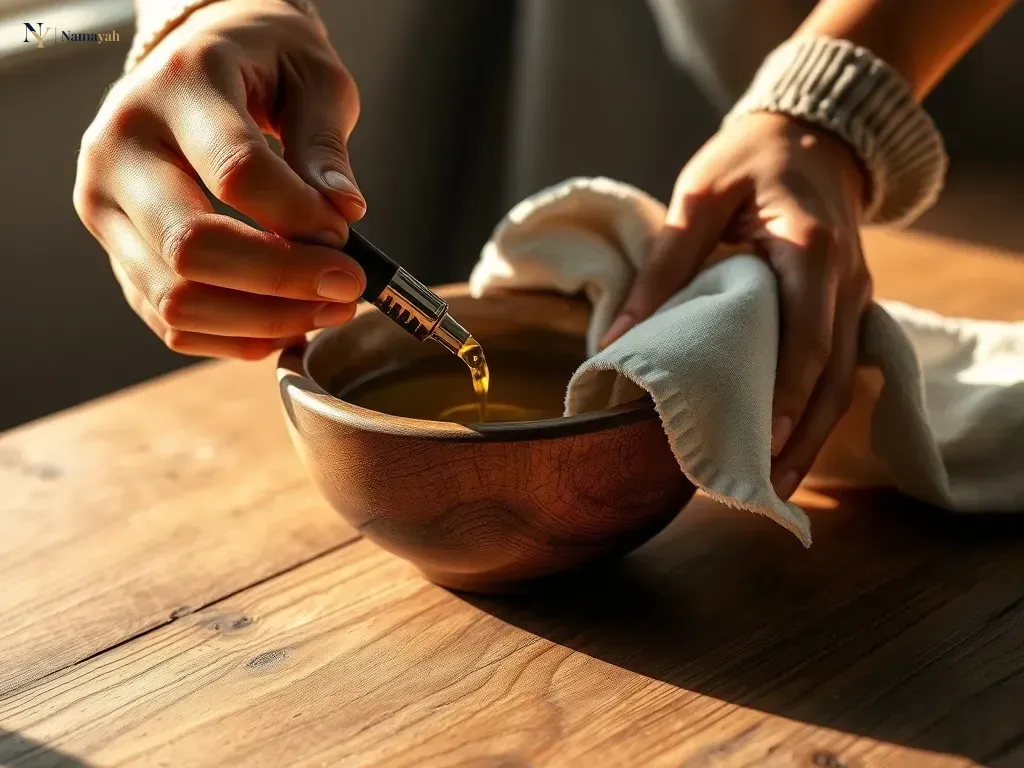
Maintaining artisan wooden home decor maintenance is essential for preserving the warmth and character of handcrafted pieces. Wood is a living, breathing material that reacts to its environment, making proper care a fundamental part of sustainable luxury living. When you invest in handcrafted wooden items, you are not just purchasing decor; you are preserving a piece of heritage. Whether you own intricately carved bowls, hand-turned vases, or bespoke furniture, understanding the nuances of wood care ensures your investment remains beautiful for generations. By following a few simple steps, you can prevent drying, cracking, and loss of luster. Through our guide, you can discover how we infuse passion and craftsmanship into every piece we create at Namayah. Proper maintenance is the hallmark of a discerning homeowner who appreciates the value of timeless artistry. By prioritizing these care routines, you ensure that your wooden treasures continue to serve as the focal point of your interior design scheme.
Understanding the Nature of Your Wooden Decor
To master artisan wooden home decor maintenance, you must first understand the material. Wood is porous, meaning it constantly exchanges moisture with the surrounding air. In humid climates, wood absorbs moisture and expands, while in dry or air-conditioned environments, it releases moisture and shrinks. This constant movement is normal, yet it requires management to prevent structural damage or finish degradation. For high-quality artisanal pieces, the finish acts as a critical barrier. Whether it is a natural oil, a wax finish, or a food-safe lacquer, this layer protects the organic fibers from pollutants and moisture fluctuations.
Furthermore, direct sunlight acts as a catalyst for fading and structural stress. Ultraviolet rays break down the cellular structure of wood fibers, leading to a bleached appearance and potential warping over time. Therefore, it is wise to position your handcrafted wooden items away from intense, direct sunlight whenever possible. If you must place a piece near a window, consider using sheer curtains to diffuse the light. Understanding these environmental factors allows you to proactively protect your items before damage occurs. This awareness is the first step in successful, long-term preservation of your curated home collection.
Dusting and Regular Cleaning Procedures
Routine cleaning is the cornerstone of effective artisan wooden home decor maintenance. Dust may seem harmless, but it can act as an abrasive over time, especially when it mixes with household oils or moisture. Use a soft, lint-free microfiber cloth for daily or weekly dusting. Avoid using feather dusters, which can merely redistribute dust rather than trapping it. For more thorough cleaning, a slightly damp cloth is often sufficient, provided you follow up immediately with a dry cloth to remove any residual moisture. Never use harsh chemical cleaners, silicone-based sprays, or ammonia-based products on your handcrafted wood. These substances can strip the natural finish, cloud the grain, or cause long-term chemical damage that is difficult to reverse.
The Importance of Gentle Care
For intricate carvings or tight spaces, a soft-bristled brush can gently dislodge debris without scratching the surface. Always move the cloth or brush in the direction of the wood grain to minimize the risk of micro-scratches. If you encounter a sticky residue, a mild solution of soapy water (using a very gentle, pH-balanced soap) can be applied sparingly. Ensure you wring the cloth until it is nearly dry to avoid soaking the wood. Water is the primary enemy of neglected wood, as it can cause swelling and grain raising. Consistency is far more important than intensity when it comes to cleaning your wooden treasures.
Applying Natural Oils and Finishes
As time passes, even the finest wooden decor can begin to look dull. Artisan wooden home decor maintenance often involves periodic re-oiling to nourish the wood fibers and restore their natural glow. Food-safe mineral oils, beeswax, or walnut oil are excellent choices for items that come into contact with food, such as serveware. For purely decorative pieces, specialized wood oils or high-quality furniture waxes can provide a deeper, more lustrous finish. Always perform a patch test on an inconspicuous area before applying any treatment to the entire surface. This step prevents potential discoloration or adverse reactions with the existing finish.
Frequency of Re-Oiling
Typically, wood should be treated every three to six months, depending on your local climate and how often the piece is handled. If the wood begins to feel dry, brittle, or looks lighter in color, it is likely time for a refresh. Apply a small amount of oil onto a clean cloth and buff it into the wood using circular motions. Allow the wood to absorb the oil for about fifteen to twenty minutes before wiping away any excess with a clean, dry cloth. This simple process creates a protective barrier that seals the wood against humidity and enhances the depth of the natural grain patterns. For further insights on caring for your home, visit our contact page for personalized advice.
Controlling Environmental Humidity
Maintaining a stable indoor climate is critical for wood longevity. In extreme conditions, even the best artisan wooden home decor maintenance cannot prevent damage if the environment is hostile. High humidity levels can lead to mold or mildew, while extremely low humidity can cause wood to crack. If you live in a region with significant seasonal variations, consider using a humidifier or dehumidifier to keep indoor humidity levels between 40% and 55%. This range is generally ideal for both the comfort of the occupants and the health of your wooden decor.
Avoid placing wooden items directly on top of or immediately next to heat sources like radiators or fireplaces. The concentrated heat will quickly dry out the wood, leading to inevitable checking or cracking. Similarly, ensure adequate airflow around your furniture pieces. Stagnant air or blocked airflow can lead to moisture buildup behind a piece of furniture, which may result in uneven expansion and potential structural issues. Thoughtful placement is a form of passive maintenance that significantly extends the lifespan of your collection.
Handling Scratches and Minor Repairs
Despite your best efforts, minor accidents can happen. Artisan wooden home decor maintenance includes knowing how to address small nicks or scratches. For minor surface scratches, a walnut rub can often work wonders, as the natural oils in the nut help blend the scratch with the surrounding finish. For deeper nicks, you might consider using a color-matched wood filler or a wax stick designed for furniture repair. However, always exercise caution. If a piece is a valuable heirloom, it is often better to consult a professional furniture restorer rather than attempting a DIY fix that could diminish the item's value or aesthetic integrity.
For more information on maintaining your collection, you can read more at the National Wood Flooring Association or consult professional interior design standards for wood care. By addressing minor issues promptly, you prevent them from becoming major restoration projects. Being proactive shows respect for the artisan who spent hours crafting your unique piece. Remember that every small mark can sometimes be seen as part of the item's history, but proper care keeps that history looking refined and elegant.
Conclusion
Mastering artisan wooden home decor maintenance is a rewarding practice that bridges the gap between ownership and stewardship. By dusting regularly, applying natural oils, and controlling the environment, you ensure that your pieces remain as stunning as the day they arrived. These practices do not just prevent decay; they enhance the beauty of the natural grain and celebrate the skill of the artisans behind your decor. To learn more about the art of sustainable living, visit the Environmental Protection Agency for guidelines on indoor air quality and home health. Your commitment to these simple routines preserves the integrity of your home and honors the timeless traditions of Indian craftsmanship. Enjoy your collection, and let your decor tell a story of elegance for years to come.