
Caring for Handmade Wooden Decor: A Guide to Longevity
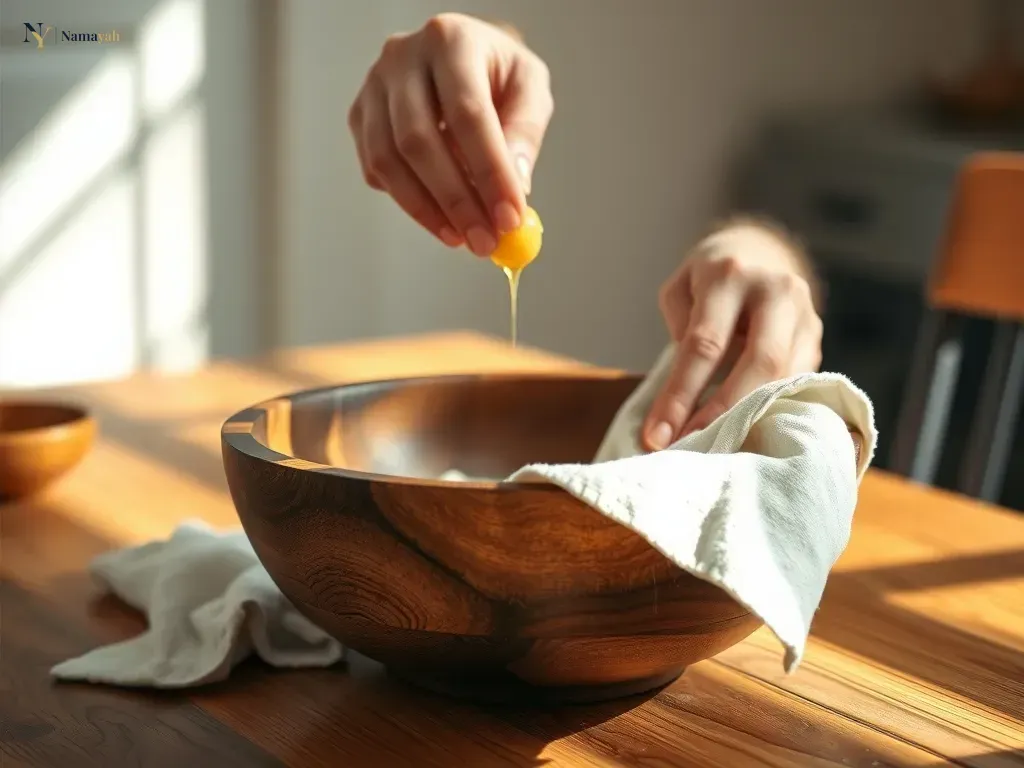
Caring for handmade wooden decor is essential to preserve the natural beauty and structural integrity of your cherished artisan pieces. Wood is a living material that responds to its environment, making proper maintenance a vital part of owning high-quality interior accents. When you invest in handcrafted items, you are bringing a piece of heritage into your home that requires mindful attention. By following consistent cleaning and conditioning routines, you ensure that these treasures remain vibrant for generations. Understanding the specific needs of your wood types is the first step toward maintaining their aesthetic appeal and functional value.
The Importance of Proper Wood Care
Why Handcrafted Wood Needs Attention
Handmade items often feature intricate carvings and natural finishes that are more delicate than mass-produced factory goods. Artisanal pieces are frequently finished with natural oils or waxes rather than heavy synthetic lacquers. Therefore, these items remain porous and sensitive to changes in humidity and temperature. If you neglect these pieces, they may dry out, crack, or lose their luster over time. Consistent maintenance protects the fibers of the wood, allowing them to age gracefully while maintaining their structural strength.
Proper care also reflects your commitment to sustainable luxury home decor. When you preserve what you already own, you reduce waste and honor the labor of the craftsmen who created your decor. For those interested in learning more about the origins of our pieces, you can read about our journey on our website. Protecting these items is an act of stewardship for both your home and the environment.
Daily Maintenance and Cleaning Techniques
Dusting and Surface Care
Routine dusting is the most effective way to prevent dirt and grime from settling into the grain. Use a soft, lint-free microfiber cloth or a feather duster for daily upkeep. Avoid using chemical-laden sprays or aerosol polishes, as these can strip natural oils and leave behind sticky residues. Instead, opt for a dry cloth to gently wipe surfaces, ensuring that you reach into crevices where dust tends to accumulate. For deeper cleaning, a slightly damp cloth is sufficient, provided you dry the surface immediately afterward.
Avoiding Harsh Environmental Factors
Humidity levels play a critical role in the health of your wooden items. Extreme fluctuations cause wood to expand and contract, leading to warping or splitting. Consequently, you should keep your decor away from direct heat sources like radiators, fireplaces, or air conditioning vents. Experts from the Forest Stewardship Council suggest maintaining a stable indoor environment, which is beneficial for both your home and your wooden possessions. Furthermore, avoid placing wood pieces in direct, harsh sunlight, as UV rays can cause premature fading and drying.
Deep Conditioning for Lasting Beauty
When and How to Apply Oil
Over time, even the best-maintained wood can begin to look dull. This is a clear indicator that the wood needs re-hydration. Applying a high-quality, food-grade mineral oil or a specialized wood wax is the best way to restore moisture. Simply apply a small amount of the oil to a soft cloth and rub it into the wood in the direction of the grain. After allowing it to soak for about fifteen minutes, use a clean cloth to buff away any excess oil. This process should be done every few months to keep the finish looking rich and supple.
Choosing the Right Products
Not all wood care products are created equal. It is vital to use non-toxic, natural options that are safe for your family and the item itself. Avoid silicone-based polishes, as they can build up over time and create a cloudy film. Research by the American Wood Council emphasizes the importance of using finishes that allow wood to breathe. By choosing the right conditioning agents, you ensure that the wood stays nourished without compromising its natural texture or character.
Handling Spills and Stains
Immediate Action Steps
Accidents happen, even with the most careful owners. If a spill occurs, treat it immediately to prevent the liquid from penetrating the wood fibers. Blot the spill with a dry paper towel or cloth; never rub it, as rubbing can push the liquid deeper into the grain. If the spill was sticky, wipe the area with a very slightly dampened cloth and then dry it thoroughly. For tougher stains or water rings, consider using a mild solution of white vinegar and water, testing a small, hidden spot first to ensure it does not damage the finish.
Professional Care and Storage
Long-term Preservation
If you need to store your wooden decor for an extended period, treat it with care. Wrap items in breathable cloth rather than plastic, which can trap moisture and lead to mold or mildew growth. Ensure the storage area is cool, dry, and away from direct sunlight. For highly valuable or antique pieces, it may be worth consulting a specialist. Maintaining your pieces correctly ensures they last for years to come. If you have any questions regarding your specific items, feel free to reach out to our team for personalized advice.
Conclusion
Caring for handmade wooden decor is a rewarding practice that honors craftsmanship and enhances your home's aesthetic. By incorporating simple routines like regular dusting, mindful placement, and occasional oiling, you protect the longevity of your treasures. Remember that wood is a natural, evolving material that rewards those who treat it with respect. Whether it is a decorative bowl or a hand-carved sculpture, consistent effort ensures these items remain beautiful centerpieces in your home. Start your maintenance routine today and enjoy the timeless appeal of your artisan collection for years to come.