
Caring for wooden furniture: A Guide to Timeless Beauty
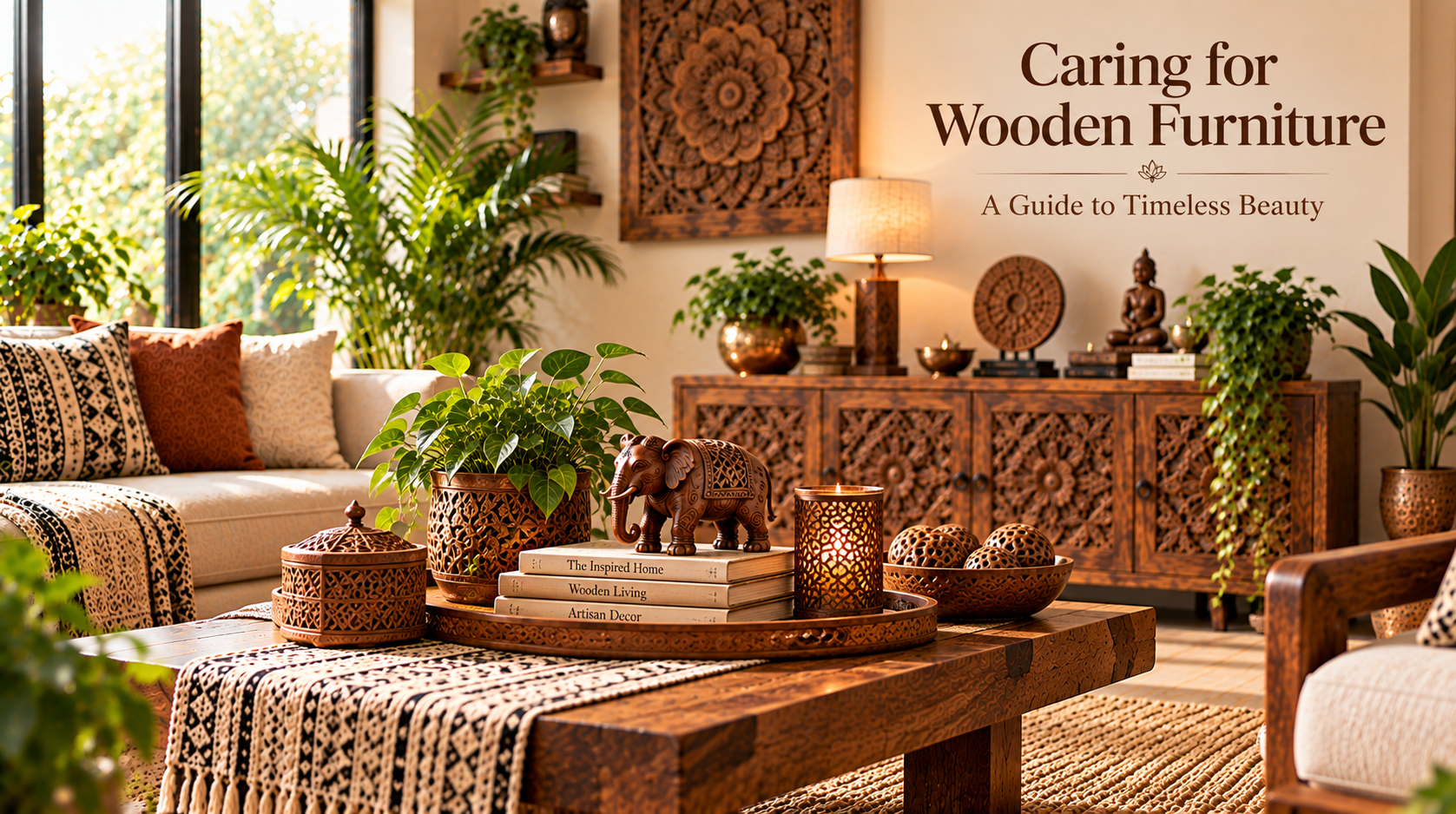
Caring for wooden furniture is essential if you want to maintain the warmth, character, and longevity of your artisanal home pieces. Wooden items are more than just functional objects; they are expressions of heritage and craftsmanship that deserve careful attention. Whether you own hand-carved tables, chairs, or decorative accents, understanding the proper techniques for maintenance will ensure they remain in pristine condition for generations. By following a consistent care routine, you protect your investment against environmental stressors and daily wear. Furthermore, proper maintenance preserves the unique grain patterns and textures that define high-quality wood. If you are looking for more inspiration, you can learn about our journey by visiting our story. Consistent care begins with understanding the material properties of your specific wooden items. Different finishes, such as oil, wax, or varnish, require varying levels of attention to prevent drying and cracking. By staying proactive, you avoid the need for invasive restoration projects later on.
The Importance of Regular Dusting and Cleaning
Why Dusting Matters
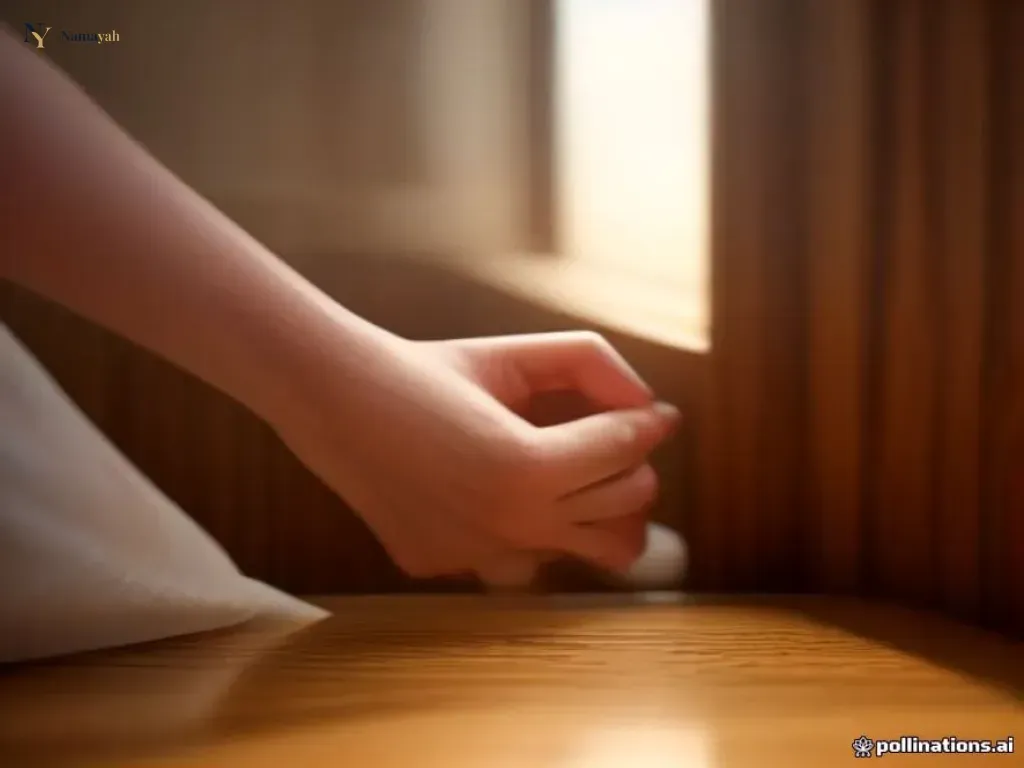
Consistent dusting is the first step in caring for wooden furniture. Dust particles are often abrasive; therefore, they can scratch delicate finishes over time if left to accumulate. Use a soft, lint-free microfiber cloth to gently remove debris from surfaces without causing surface micro-scratches. Avoid using feather dusters, as they often push dust around rather than trapping it effectively. Instead, opt for a slightly dampened cloth if the wood has a protective finish to lift away stubborn particles.
Proper Cleaning Techniques
When your furniture requires a deeper clean, avoid harsh chemical cleaners or abrasive sponges. These substances can strip away natural finishes and leave the wood vulnerable to moisture damage. Instead, use a mild soap solution mixed with warm water for occasional cleaning. Always wipe in the direction of the wood grain to ensure a streak-free finish. After cleaning, immediately wipe the surface dry with a clean, soft towel to prevent moisture from seeping into the pores. According to the Environmental Protection Agency, maintaining clean surfaces is also vital for your overall home environment.
Managing Humidity and Environmental Factors
The Impact of Moisture
Wood is a hygroscopic material, meaning it constantly exchanges moisture with the surrounding air. Consequently, extreme fluctuations in humidity can cause wooden furniture to expand or contract. This movement often leads to unsightly warping, splitting, or joint loosening. Maintaining a consistent indoor environment is key to preserving the integrity of your pieces. Ideally, keep your home’s relative humidity between 40% and 50% throughout the year.
Positioning Your Furniture
Strategic placement plays a major role in caring for wooden furniture long-term. Avoid placing wooden items directly against radiators, heaters, or air conditioning vents. Heat sources, in particular, accelerate the drying process, which leaches essential oils out of the wood. Additionally, keep your furniture away from direct, prolonged sunlight. UV rays can fade natural stains and cause wood fibers to become brittle. If your room receives significant sunlight, consider using window treatments or rearranging your layout to protect your cherished pieces.
Polishing and Conditioning Techniques
Choosing the Right Products
Applying a high-quality wood wax or oil periodically helps nourish the wood fibers and provides a protective barrier against spills. However, avoid products that contain silicone or heavy waxes that leave a sticky residue. These products often attract more dust and can interfere with future refinishing efforts. Look for natural products that contain beeswax or high-grade mineral oils designed specifically for furniture maintenance. Always test any product on a small, inconspicuous area before applying it to the entire piece.
Frequency of Application
How often you should condition your furniture depends on the climate and the finish of the wood. Generally, treating your wooden items every three to six months is sufficient for most households. If the wood appears dull or feels dry to the touch, it is likely time for a light application of oil or wax. Buffing the surface gently after application results in a soft, natural sheen that enhances the beauty of the grain. Remember that less is often more when it comes to conditioning products.
Handling Spills and Minor Repairs
Immediate Action for Spills
Accidents happen, but quick action is the best defense when caring for wooden furniture. If a liquid spill occurs, blot it immediately with a soft, absorbent cloth. Never rub the spill, as this forces the liquid deeper into the wood grain. If the spill involves a staining liquid like wine or coffee, a slightly damp cloth can be used to lift the residue. For further advice on maintaining your home collection, you might find our insights on copper maintenance helpful for your metal accessories.
Addressing Minor Scratches
Minor surface scratches are inevitable in a well-lived home. For small imperfections, you can often use a color-matched wood touch-up marker or a specialized furniture wax. These tools effectively mask blemishes without the need for professional refinishing. For deeper dents or significant damage, it is best to consult with a professional restorer. Attempting to repair deep damage at home can sometimes result in uneven surfaces or finish degradation.
Professional Standards and Industry Data
Longevity Through Craftsmanship
Quality wooden furniture is built to last, but even the best craftsmanship requires care. According to the Forest Products Laboratory, wood remains an active material even after it has been fashioned into furniture. This means that caring for wooden furniture is a continuous process of managing the environment and providing periodic nourishment. By respecting the natural properties of the wood, you ensure that your pieces remain functional and aesthetically pleasing for decades.
The Value of Sustainability
Investing in well-maintained wooden furniture is also an act of sustainable consumption. When you extend the lifespan of your existing pieces, you reduce the demand for new resources and minimize waste. This approach aligns perfectly with modern luxury living, where quality and longevity are prioritized over fast-paced trends. By treating your furniture as a legacy item, you contribute to a more circular and environmentally conscious home lifestyle.
Conclusion
Mastering the art of caring for wooden furniture requires patience, consistency, and a deep appreciation for natural materials. By dusting regularly, managing humidity, and using appropriate conditioning products, you can significantly prolong the beauty and structural integrity of your items. Remember that your furniture is a reflection of your lifestyle and a testament to the artisan's skill. If you ever have concerns or need professional guidance on your collection, please feel free to contact us for personalized support. Implementing these simple habits today will ensure your home remains a sanctuary of warmth, elegance, and timeless craftsmanship for many years to come.