
Caring for wooden decor: Tips for lasting elegance
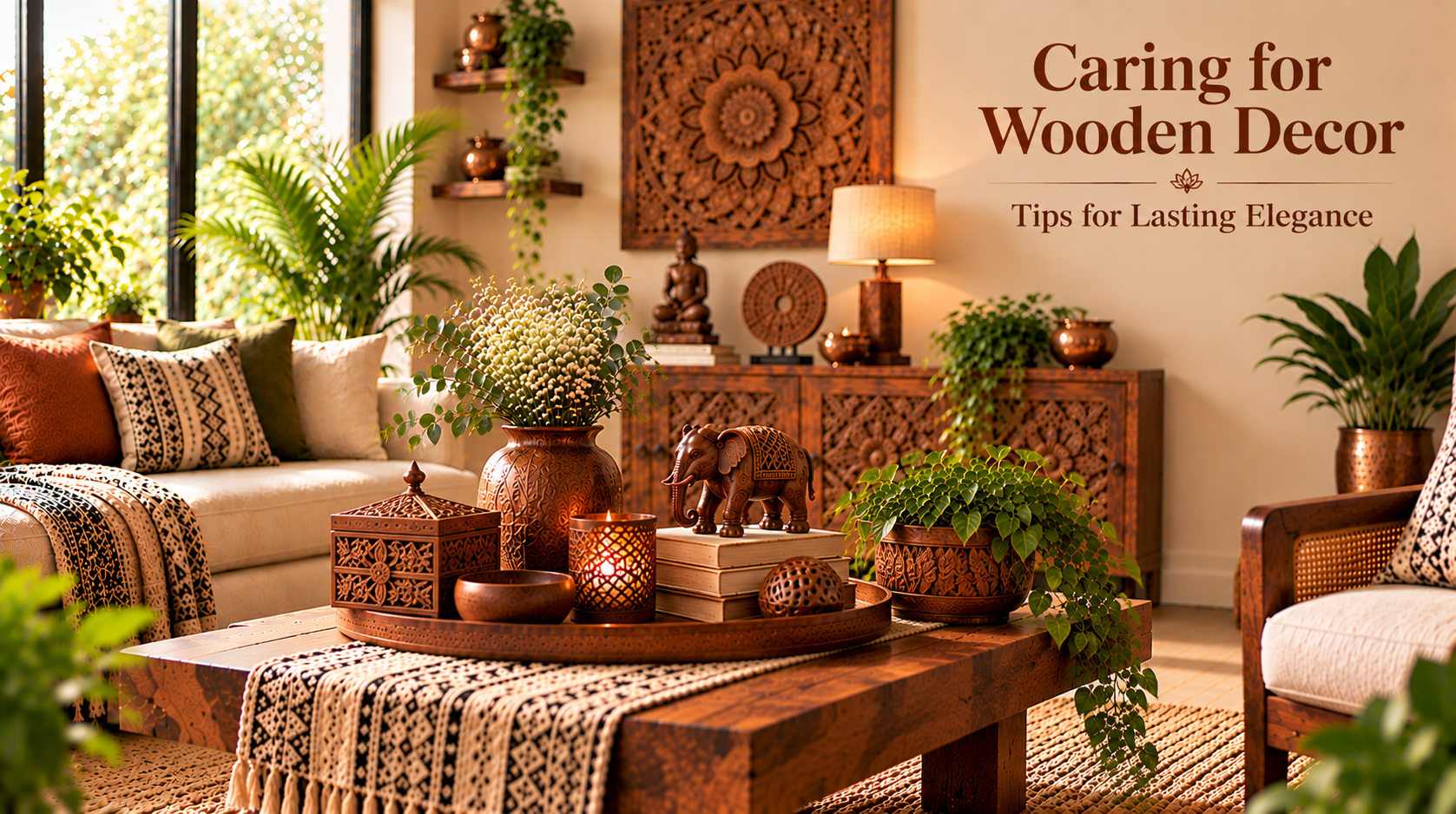
Caring for wooden decor is essential for homeowners who appreciate the warmth and natural beauty of artisanal craftsmanship. Wood is a living material that requires specific attention to maintain its structural integrity and aesthetic appeal over time. Whether you own intricate hand-carved statues or sleek minimalist furniture, regular maintenance ensures these pieces remain centerpieces in your home for generations. Proper care involves a balance of cleaning, protecting, and monitoring the environmental conditions in your living space. By understanding the unique needs of different wood types, you can protect your investment while preserving the artisan’s original vision. For those who value heritage and quality, our about us page highlights the dedication behind every piece we create.
Understanding Wood Sensitivity
Wood responds significantly to its environment, making it sensitive to humidity and temperature fluctuations. Therefore, placing wooden items away from direct heat sources like radiators or fireplaces is crucial to prevent warping or cracking. Excessive moisture can also lead to swelling, while overly dry air might cause the fibers to shrink and split. Consistent indoor conditions are the best way to support your pieces.
The Impact of Sunlight
Direct sunlight is another major factor that affects wood longevity. Ultraviolet rays can bleach natural finishes and cause the wood to fade or become brittle over time. Consequently, positioning your cherished items in areas with filtered light rather than harsh direct sun will preserve their original color. If you are looking to integrate more sustainable pieces into your home, you can learn more about sustainable luxury for your living space.
Daily Cleaning Practices
Maintaining a clean surface is the first step in caring for wooden decor properly. Dust acts as an abrasive over time, potentially scratching delicate finishes if allowed to accumulate. For routine cleaning, use a soft, lint-free microfiber cloth to gently wipe surfaces. Avoid harsh chemical cleaners or abrasive sponges that can strip away protective oils or waxes applied by the artisan.
The Right Cleaning Tools
Always choose tools that are gentle on wood surfaces. For carved details, a soft-bristled brush can help remove dust from crevices without harming the wood grain. Furthermore, dampening the cloth slightly with distilled water is usually sufficient for cleaning. However, ensure the wood is dried immediately afterward to prevent any moisture damage. According to guidelines from the Smithsonian Museum Conservation Institute, consistent but gentle handling is the key to longevity for wooden artifacts.
Nourishing Your Wooden Pieces
Over time, wood may lose its natural luster as the protective surface finish wears down or dries out. Applying a high-quality wood wax or oil periodically helps replenish moisture and provides a protective barrier against future wear. Before applying any product, test it on an inconspicuous area to ensure it does not alter the color of the wood unexpectedly.
Choosing Natural Treatments
Many artisans recommend using beeswax or food-grade mineral oils for pieces that might come into contact with food or human skin. These natural options are non-toxic and provide a beautiful, soft sheen that enhances the wood’s grain. Always apply these products sparingly, as too much oil can attract dust. For more in-depth advice on preserving your collection, you can explore the Copper Living Archives to compare maintenance routines for different materials.
Preventing Structural Damage
Preventing damage is just as important as cleaning. For example, avoid placing heavy items on delicate wooden surfaces without a protective base. Coasters and felt pads are simple, effective ways to prevent scratches and rings from glasses or decorative items. Additionally, check for loose joints or signs of pests periodically, as early detection allows for easier repairs before significant damage occurs.
Managing Environmental Humidity
Maintaining a stable relative humidity level between 40% and 55% is ideal for most wooden items. A hygrometer is a useful device to monitor your home’s air quality. If the climate is particularly dry, a humidifier can make a world of difference for your furniture. Conversely, dehumidifiers are essential in damp environments to prevent mold growth, which can be catastrophic for fine wood products. As noted by the Environmental Protection Agency, controlling moisture is essential for home health and the preservation of organic materials.
Long-Term Maintenance Strategy
Developing a regular schedule for inspection and maintenance ensures that caring for wooden decor becomes a seamless part of your home routine. Once a season, inspect your pieces for any changes in finish or structural stability. If you notice a piece looking particularly dull, it is likely time for a light polishing session. Taking these small steps regularly prevents the need for professional restoration later.
When to Seek Professional Help
While home maintenance covers most needs, certain issues require expert intervention. If you encounter deep cracks, significant warping, or structural instability, contact a professional restorer. Attempting to fix major structural damage yourself can often lead to further harm. If you need guidance on specific care instructions for your items, please contact us for personalized support from our team of experts.
Conclusion
In conclusion, caring for wooden decor is a rewarding practice that honors the artisan’s hard work and extends the lifespan of your luxury home items. By controlling environmental factors, cleaning gently, and nourishing the wood with appropriate products, you preserve the natural beauty of your collection. Remember that wood is a living element; it responds to how you treat it. With consistent care, your wooden heritage pieces will continue to tell their story in your home for many years to come.