
Authentic Indian Handicrafts: Spotting Quality vs Imitation
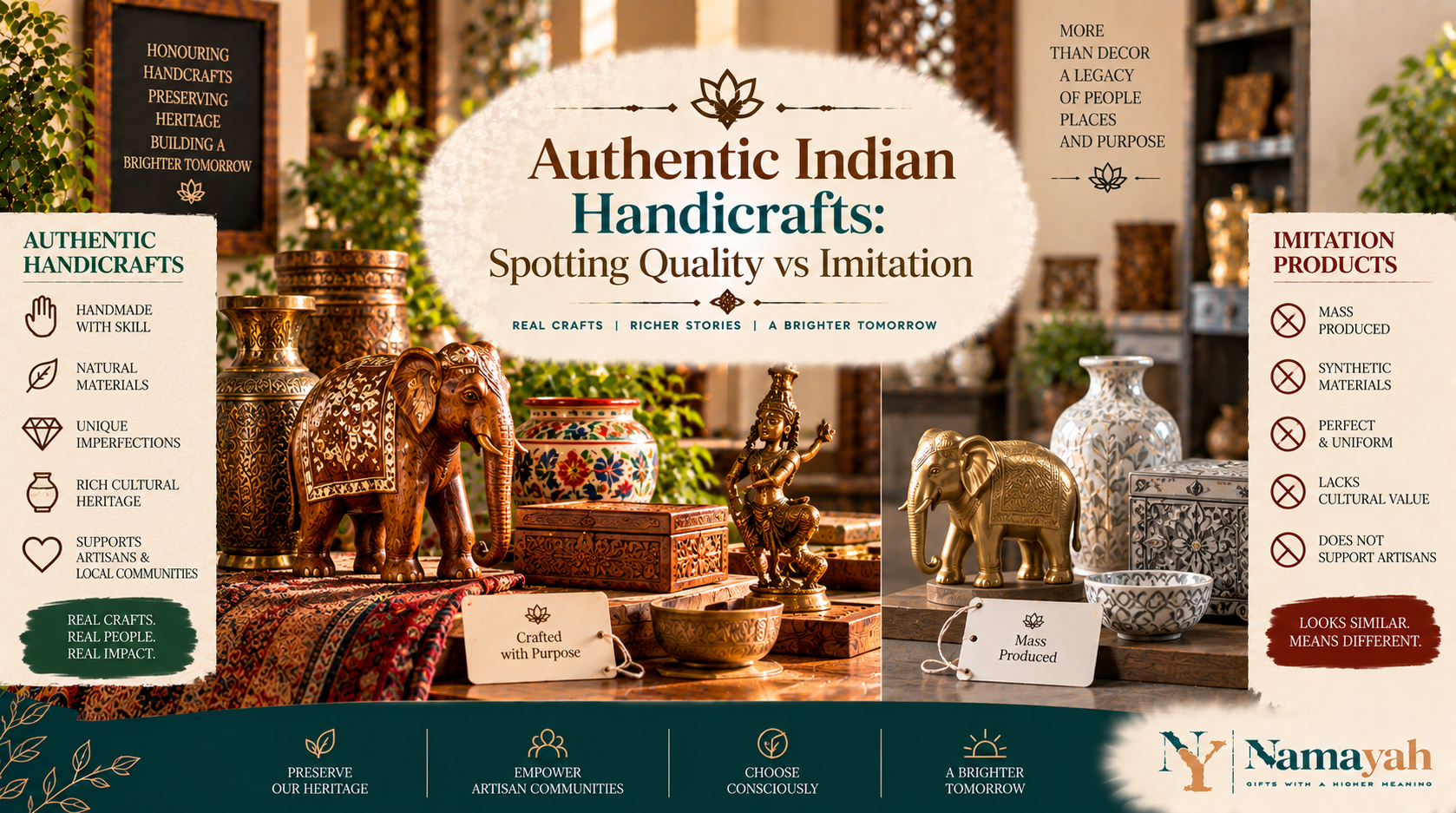
Investing in authentic Indian handicrafts brings a sense of history and soul into your home that mass-produced items simply cannot replicate. However, the modern marketplace is flooded with imitations that mimic the look of traditional art without the labor-intensive heritage. Understanding how to identify genuine pieces is crucial for any discerning collector. This guide explores the nuances of handicraft quality, helping you make informed decisions when curating your living space. Classic Indian Home Accessories
The Essence of Authentic Indian Handicrafts
Authentic Indian handicrafts represent centuries of evolved techniques passed down through generations. These items are defined by their unique character, as each piece reflects the specific hand movements and regional influences of the maker. Unlike factory-made goods, which aim for absolute uniformity, genuine handmade products possess subtle irregularities that signal their human origin. These imperfections are not flaws; they are proof of individual artistry. When you choose to support traditional methods, you are preserving cultural legacies. Many of these techniques, from intricate wood carving to hand-hammered metalwork, are at risk of fading away in an era of rapid industrialization. Learning about the history of our craft provides a deeper appreciation for why these items hold such significant value for modern luxury living.
Understanding Handmade vs Factory Production
The fundamental difference between handmade and factory-produced decor lies in the manufacturing philosophy. Mass-produced items are designed for speed and cost-reduction, often utilizing molds, automated machinery, and synthetic materials. Conversely, genuine artisan goods require hours, days, or even weeks of dedicated labor. The difference is immediately visible in the texture, weight, and finish of the object. handmade vs mass produced home decor
Analyzing Material Integrity
True handmade items often feature natural materials, such as solid hardwoods, high-grade brass, or pure copper. Factory imitations frequently rely on cheap alloys, plastic resins, or metal coatings that wear off quickly. If a product feels unusually lightweight for its size or shows signs of machine-molding, it is likely a mass-produced replica. For those interested in maintaining premium finishes, read our guide on metal care to ensure your investment lasts for generations.
Tips for Artisan Verification
Artisan verification is the most effective way to ensure you are purchasing genuine works. When shopping, look for details that indicate a human touch. For instance, in hand-carved wooden items, the depth and precision of the chisel marks should vary slightly across the surface. If every pattern looks perfectly identical, it is almost certainly machine-generated. Furthermore, consider the brand transparency. Reputable sellers often provide information about the region of origin, the type of wood or metal used, and sometimes even the name of the artisan collective involved. If a seller cannot explain the process behind the creation, be skeptical. Authenticity is deeply rooted in the story of the maker. styling wooden serveware
Developing Your Decor Shopping Guide
As you navigate the market, treat your search as a journey of discovery. A reliable decor shopping guide should prioritize tactile inspection where possible. When viewing items online, look for high-resolution images that showcase the natural texture of the materials. Request close-up shots of joints, edges, and carved details to inspect the handicraft quality personally. Another indicator of quality is the consistency of the design language. Genuine Indian handicrafts adhere to traditional motifs that have been refined over time. Mass-produced items often try to mimic these styles but fail to capture the proportionality and balance of the original art forms. Investing in authentic pieces means choosing items that will age gracefully, developing a beautiful patina rather than deteriorating.
The Impact of Sustainable Artistry
Supporting genuine artisans directly impacts the livelihoods of traditional communities. When we bypass mass-market retailers, we ensure that the profit reaches the people who do the actual work. This cycle of support encourages the next generation to learn these crafts, thereby keeping the tradition alive. Sustainable luxury is not just about the quality of the product; it is about the ethics of the supply chain. According to the United Nations Educational, Scientific and Cultural Organization, preserving intangible cultural heritage is vital for community identity. By choosing handmade, you contribute to a global movement that values human ingenuity over soulless automation. This shift in perspective is essential for creating a home that feels both luxurious and meaningful.
Why Authenticity Matters for Your Home
The items we surround ourselves with influence our daily mood and our sense of place. Authentic Indian handicrafts carry an energy that mass-produced decor lacks. Whether it is a hand-embossed brass bowl or a hand-woven textile, these items tell a story of dedication. They are not merely objects; they are pieces of art that bridge the gap between ancient traditions and contemporary design needs. For further insights into selecting pieces that complement your aesthetic, explore industry standards for craftsmanship to see how global experts evaluate quality. When you invest in the real deal, you are not just decorating a room; you are curating a legacy. This commitment to quality ensures that your home remains a sanctuary of style and authentic beauty for years to come. wooden home decor trends 2024
Conclusion
Identifying authentic Indian handicrafts requires a discerning eye and a commitment to quality. By focusing on the nuances of artisan verification and understanding the differences between handmade and factory production, you can build a collection that reflects true luxury. Remember that the beauty of a genuine piece lies in its unique history and the hands that brought it to life. Choose items that tell a story, support ethical practices, and celebrate the timeless artistry of Indian heritage.